

 English
 Deutsch
 عربى
عربىUnderstanding Descenders and Their Uses
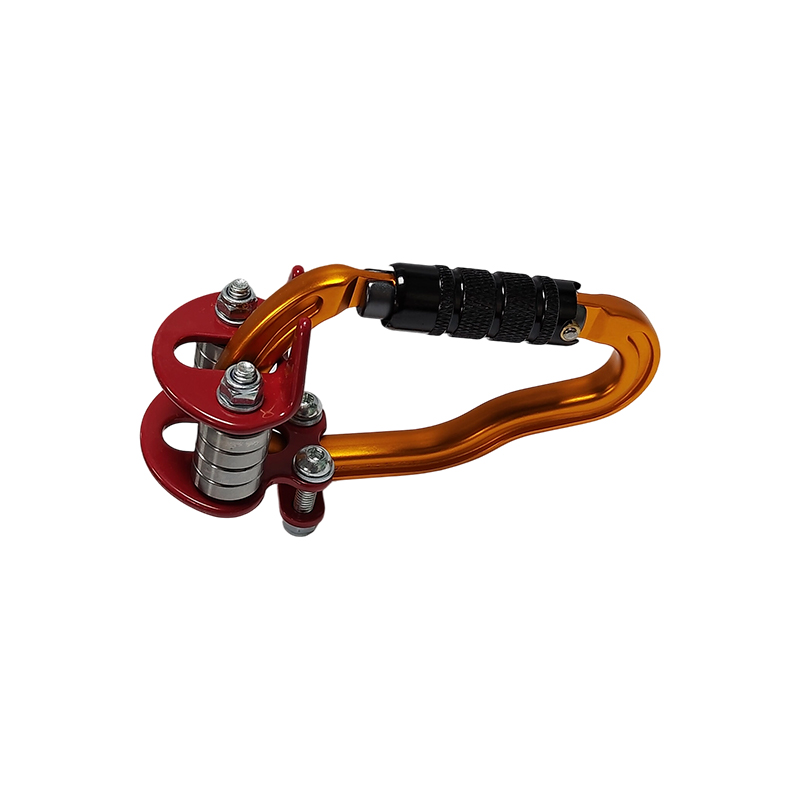
A descender is a device designed to control descent along a rope in climbing, rescue operations, and industrial activities. It allows users to lower themselves safely while maintaining control over speed and stability. Descenders are used by mountaineers, cavers, arborists, and rescue teams who need smooth and controlled vertical movement.
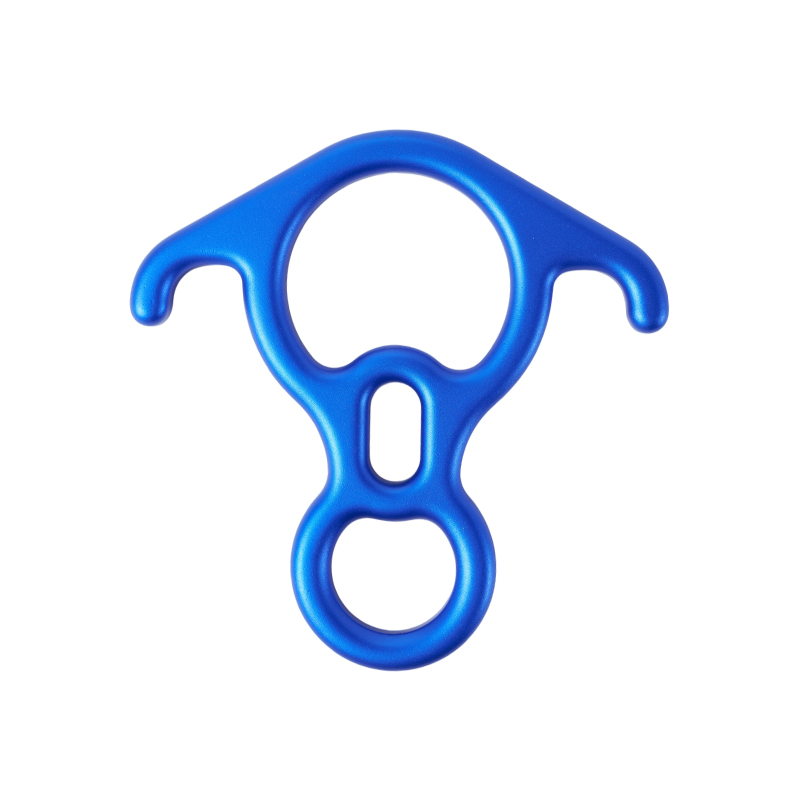
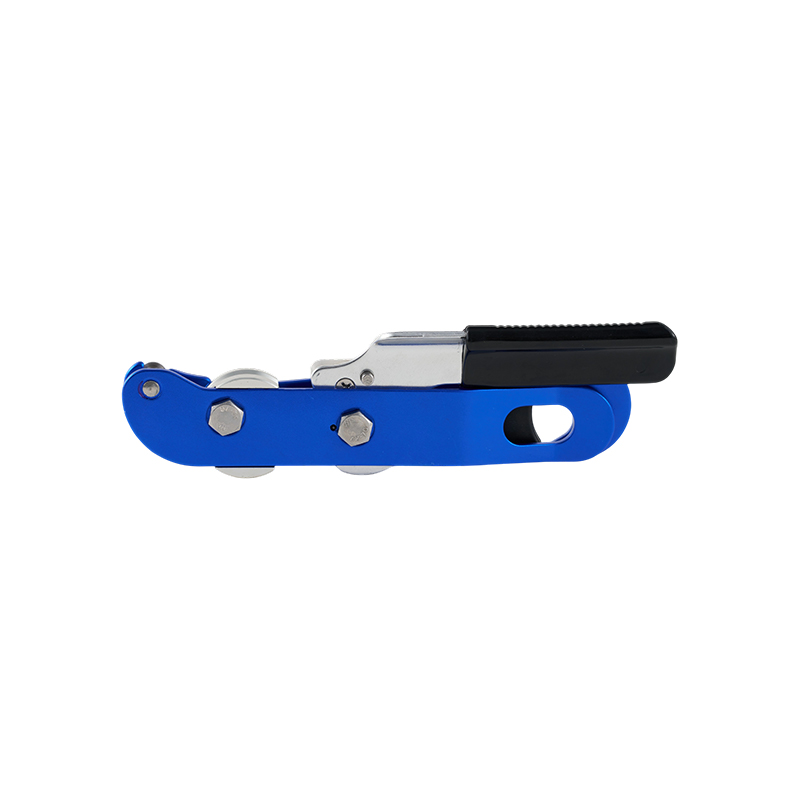
There are several types of descenders, including tubular devices, figure-eight models, and assisted-braking designs. Each offers slightly different handling characteristics. Tubular descenders provide simplicity and reliability for various rope diameters. Figure-eight descenders allow smooth lowering in single or double rope configurations. Assisted-braking devices provide additional security during more challenging or technical descents.
Descenders play roles in professional contexts. Rescue teams use them to lower equipment or personnel efficiently. Arborists rely on descenders to navigate trees safely. The device’s versatility makes it an essential tool for anyone working in vertical environments.
Safety and Control Features
Safety is central to the design of descenders. Controlled descent reduces the risk of accidents by preventing sudden drops or excessive speed. Users can modulate friction on the rope using hand placement and body position, making each movement deliberate and stable.
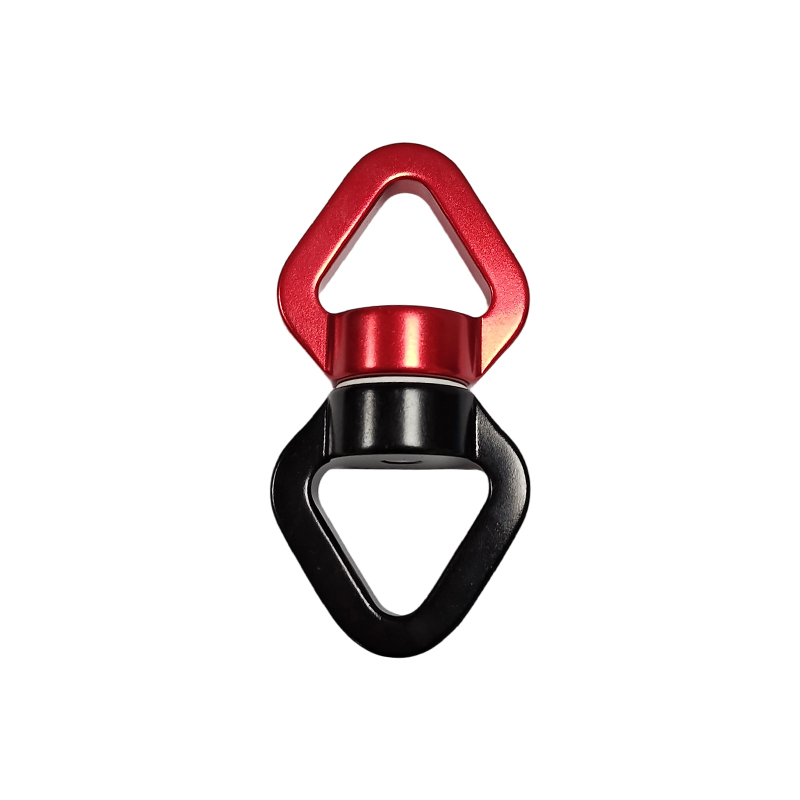
Many descenders feature adjustable friction paths or braking slots. This allows the user to choose the appropriate resistance for rope thickness, weight, and activity type. Swiveling or rotating rope channels reduce rope twisting, which further enhances control and safety.
Even minor design elements contribute to safer usage. Smooth edges prevent rope wear, while textured surfaces provide grip for the hand. Using a descender correctly involves both equipment knowledge and technique. Proper use ensures that descent is not only controlled but also comfortable over long periods.
Supporting Versatility in Vertical Activities
Descenders are highly adaptable to different tasks. Climbers can transition from steep slopes to vertical drops using the same device. Rescue teams can lower individuals or equipment in confined spaces. Industrial workers can safely descend scaffolding or towers.
The device also facilitates multitasking during descent. For example, users can carry small tools or secure safety lines while lowering themselves. Some descenders allow smooth rope retrieval for repeated operations, making them practical for activities that involve multiple stages or users.
Versatility extends to rope types and diameters. Descenders accommodate a range of rope materials, from synthetic kernmantle ropes to natural fibers. This adaptability ensures that users can maintain control and safety regardless of the rope in use.
Design Variety and Practical Integration
Descenders come in different shapes, sizes, and materials, reflecting their intended applications. Aluminum devices offer lightweight mobility for climbing, while steel variants provide durability in industrial or rescue scenarios. Some descenders feature integrated handles or safety mechanisms, while others rely on simple, streamlined designs.
Color coding and markings often help users quickly identify friction slots and rope pathways. This feature improves efficiency during setup and reduces the likelihood of misthreading the rope. Compact designs make storage and transport easier, which is valuable for climbers and field teams.
Conclusion
Descenders are essential tools for controlled vertical movement in climbing, rescue, and industrial activities. They provide stability, safety, and versatility, accommodating different rope types, user weights, and operational contexts. Adjustable friction, smooth rope channels, and ergonomic designs allow users to manage descent comfortably and reliably.





 3rd Floor, Comprehensive Building, No. 1 Huimin Road, Nanmingshan Street, Liandu District, Lishui City, Zhejiang Province
 +86 15325130332
