

 English
 Deutsch
 عربى
عربىCarabiners have long been associated with climbing and outdoor adventure, but their usefulness stretches far beyond rocky cliffs and rope bridges. These small, often oval or D-shaped connectors are deceptively simple in design yet remarkably versatile. At their core, carabiners are designed to link components together safely, allowing movement, adjustment, and secure attachment with minimal effort. This combination of reliability and convenience makes them a valuable tool for both professional and everyday use.
Modern carabiners are made from a variety of materials, including lightweight aluminum, high-strength steel, and sometimes titanium. Each material balances durability, weight, and corrosion resistance, making it possible to select the right carabiner for specific applications. Carabiners are employed in construction, rescue operations, sailing, and even home organization. Their adaptability allows users to attach ropes, straps, or equipment securely in countless situations, turning them into indispensable tools for both professional tasks and everyday activities. Many people find that a well-chosen carabiner can simplify routines, reduce clutter, and add a layer of safety that is both practical and reassuring. The ease of clipping, unclipping, and repositioning items makes them highly efficient, while their compact size ensures they can be carried or stored effortlessly.
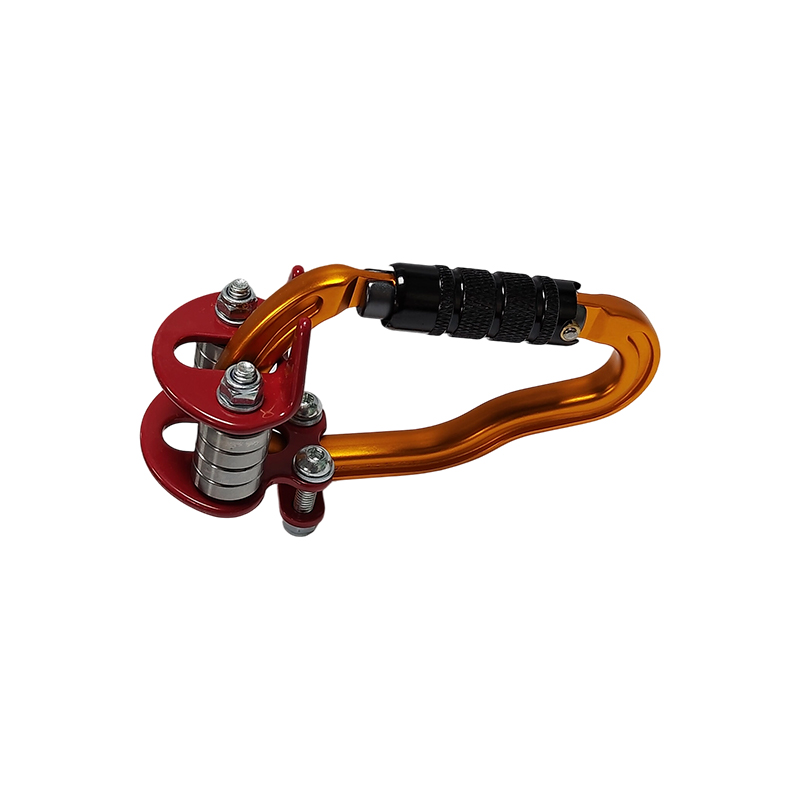
One of the most appealing aspects of carabiners is their simple locking mechanism. Screw gates, twist locks, and auto-locking models all provide varying degrees of security, allowing users to adapt to the level of risk associated with a task. This flexibility is why carabiners are not just tools but also confidence builders. People can trust that a properly rated carabiner will hold weight and resist accidental opening.
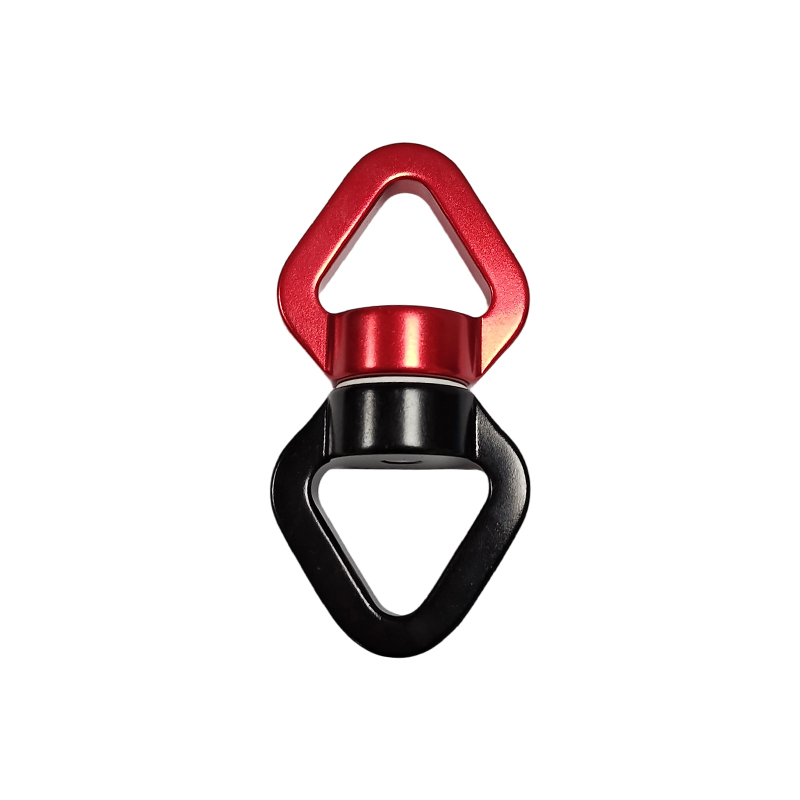
Innovation has further expanded carabiners’ functionality. Some models integrate multiple attachment points, load indicators, or even swivels to prevent rope twisting. Designers have also explored color coding, ergonomic shapes, and lightweight variants, making them easier to handle, identify, and carry. For those in professional settings, these enhancements streamline work processes, reduce errors, and provide peace of mind.
Despite their widespread usage, carabiners retain a sense of mechanical elegance. The combination of simple geometry, precise spring tension, and smooth finish makes them pleasing to handle. Enthusiasts often admire the quiet efficiency with which a carabiner works, providing both strength and simplicity in a single small device.
Safety remains a central feature, particularly for climbing, industrial, or rescue applications. Each carabiner is rated for load capacity, and proper inspection ensures longevity and reliability. Users who respect these ratings benefit from a tool that can make challenging tasks safer. Beyond professional settings, even casual users appreciate the reassurance of knowing a carabiner can hold weight securely. Regular maintenance and careful selection according to task demands further enhance confidence, turning a small connector into a dependable companion for both everyday and specialized activities. Its versatility, ease of use, and quiet efficiency make it a favorite among enthusiasts, professionals, and hobbyists alike.
Carabiners demonstrate that small, well-designed tools can have far-reaching impact. Their combination of versatility, durability, and practicality ensures they remain relevant in countless scenarios. From adventure enthusiasts to urban organizers, these connectors provide solutions that save time, reduce effort, and enhance safety. Carabiners remind us that even simple mechanical innovations can elevate everyday experiences, proving that utility and elegance can coexist seamlessly.






 3rd Floor, Comprehensive Building, No. 1 Huimin Road, Nanmingshan Street, Liandu District, Lishui City, Zhejiang Province
 +86 15325130332
