

 English
 Deutsch
 عربى
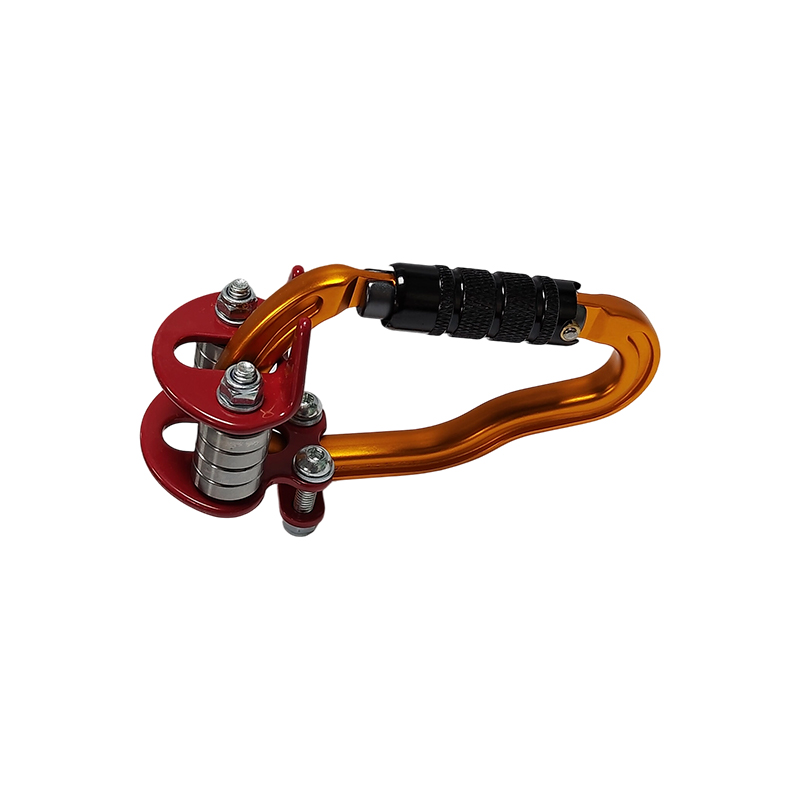
عربىDescenders are mechanical devices designed to control the speed of descent on ropes, widely used in climbing, caving, rescue operations, and industrial rope access work. These devices allow users to descend safely by providing friction on the rope, offering a controlled and steady rate of movement.
The production of descenders involves careful engineering and material selection. Manufacturers typically use metals such as aluminum or steel for structural components, ensuring both strength and lightweight properties. Some models incorporate anodized coatings to enhance durability and resist abrasion, while others use stainless steel components for parts in contact with the rope to minimize friction damage. Precision machining and casting techniques are applied to create smooth surfaces, which are essential for consistent rope handling and user safety.
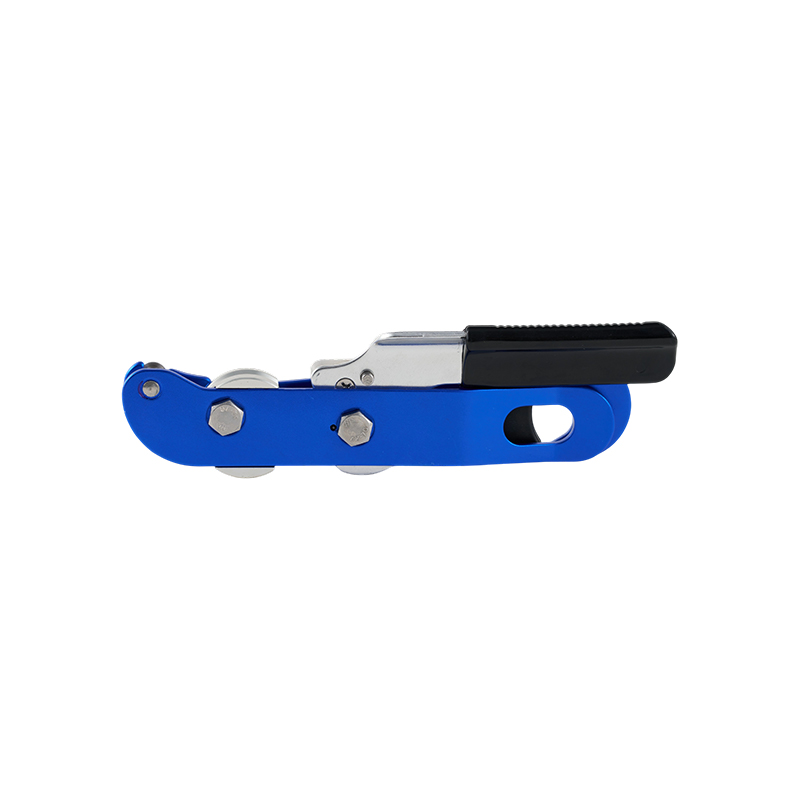
Descender designs vary to accommodate different use cases. For recreational climbing, lightweight and portable models are favored, often featuring multiple friction points and ergonomic handles for easy grip. In industrial applications, devices are sometimes larger and designed to handle heavier loads over extended periods. Some descenders are designed to work with a range of rope diameters, making them versatile tools for professionals who encounter various rope types in different settings. Certain mechanical descenders incorporate self-braking features, allowing users to pause mid-descent without applying constant hand pressure, which is particularly useful in rescue and work-at-height scenarios.
The use of descenders requires an understanding of rope mechanics and personal technique. When operated correctly, they provide controlled movement and reduce the risk of accidents. Climbers and industrial workers often undergo training to familiarize themselves with different descender types, learning how to adjust friction, maintain balance, and respond to unexpected situations. In recreational settings, descenders enable activities such as rappelling down cliffs, rock faces, or indoor climbing walls. In professional contexts, they are integral to safe rope access for tasks like building inspections, window cleaning, or high-rise construction work. By managing speed and providing friction control, descenders ensure that users can navigate vertical spaces with confidence.
The market for descenders has grown steadily, reflecting increasing participation in climbing sports and expanded industrial rope access operations. Manufacturers produce a variety of models to meet the needs of both amateur and professional users. Prices vary according to materials, features, and brand reputation, offering options suitable for occasional recreational use as well as intensive daily operations in commercial environments. Some companies offer kits combining descenders with harnesses, ropes, and carabiners, providing a complete setup for beginners or professional teams. Online and retail distribution channels allow users to access a wide range of descender types, while trade shows and industry events provide opportunities to showcase new designs and innovations.
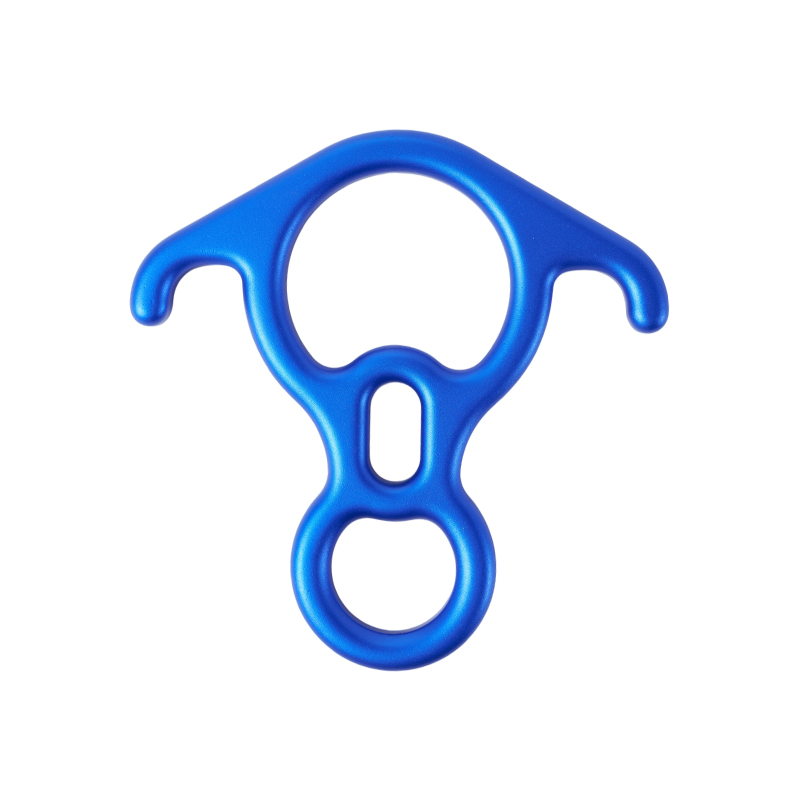
Innovation in descender production often focuses on user convenience, weight reduction, and compatibility with different rope types. Ergonomic designs help reduce hand fatigue during prolonged use, and new materials can improve durability while keeping devices light. Some descenders integrate features that allow for smoother rope feeding, preventing jerks or snags during descent. While traditional tubular and figure-eight devices remain popular, mechanical assisted-braking descenders have gained attention for their added safety and ease of use in demanding situations.
Rope manufacturers and descender producers collaborate closely to optimize compatibility between ropes and devices. Rope diameter, material, and coating can influence the performance of a descender, affecting friction, wear, and handling characteristics. Professional users pay attention to these details when selecting equipment, ensuring that descenders match the ropes they regularly use. Accessories such as carabiners, slings, and anchoring systems complement descenders, creating integrated solutions for controlled descent.





 3rd Floor, Comprehensive Building, No. 1 Huimin Road, Nanmingshan Street, Liandu District, Lishui City, Zhejiang Province
 +86 15325130332
