

 English
 Deutsch
 عربى
عربىProduction of Safety Hooks
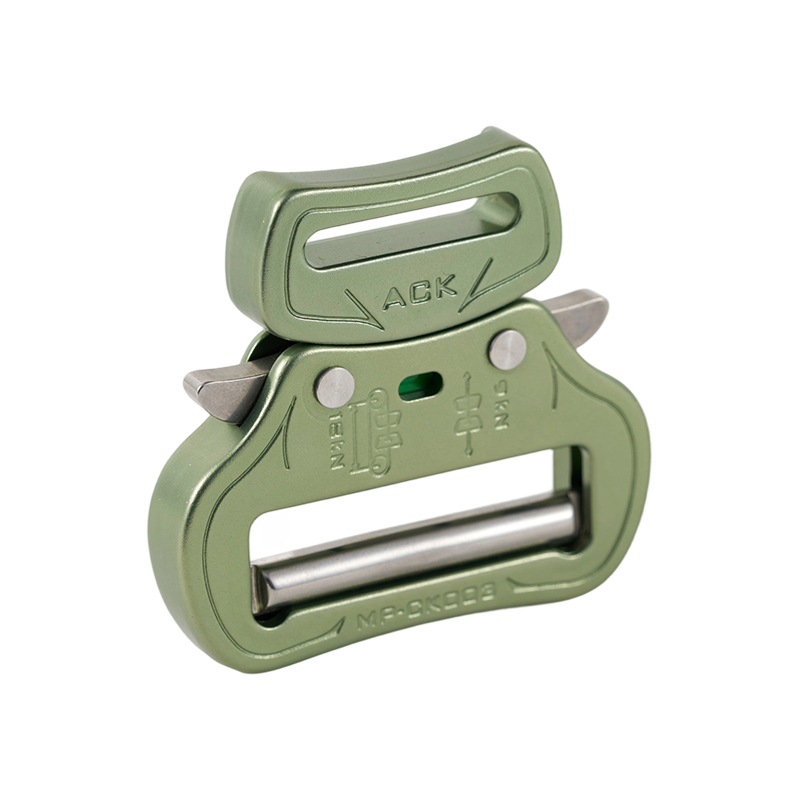
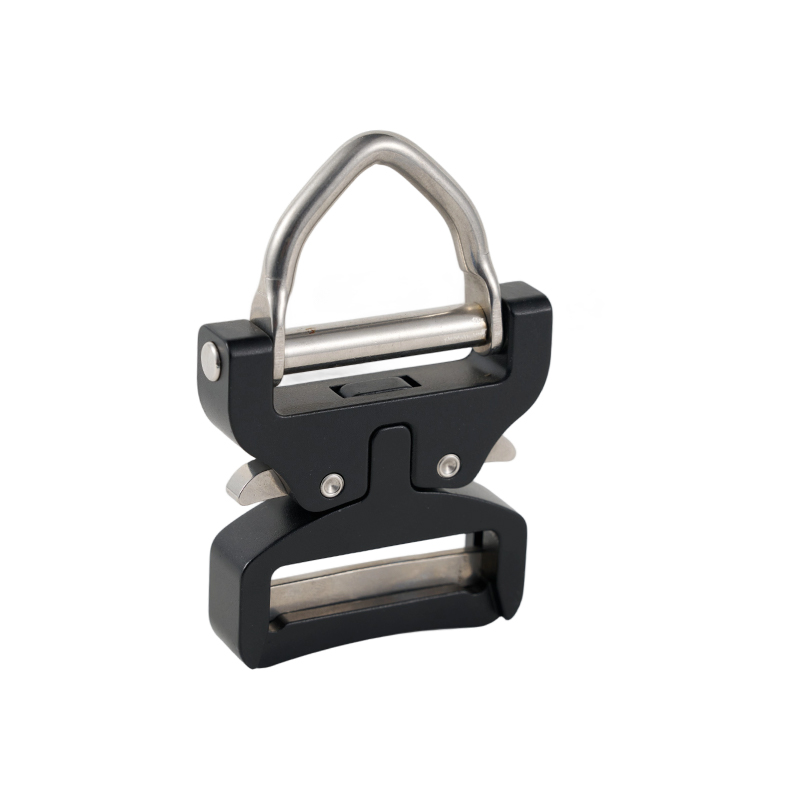
Safety hooks are mechanical devices designed to secure ropes, cables, or equipment, providing a reliable connection point in climbing, rescue operations, and industrial applications. Their production requires careful engineering and material selection to ensure both strength and durability. Most safety hooks are made from aluminum or steel alloys, offering a balance between weight and load-bearing capacity. Components are precision-machined to exact dimensions, and surfaces are often polished or anodized to reduce friction and wear. The locking mechanisms, which can include spring-loaded gates or screw locks, are tested rigorously to guarantee consistent performance. Quality control ensures that each hook can handle the rated loads without deformation or failure, making them reliable in demanding environments.
Usage of Safety Hooks
Safety hooks serve multiple functions across different activities. In climbing, they connect harnesses to ropes, anchor points, or other safety devices, allowing climbers to move securely while maintaining hands-free operation. Rescue professionals use safety hooks to attach stretchers, equipment, or personnel to controlled lines during vertical evacuations. Industrial workers employ safety hooks to secure tools, materials, or themselves when operating at height. The ease of attaching and detaching the hook without compromising security is a key advantage. Various designs accommodate different rope diameters, load types, and attachment points, providing versatility for users. Safety hooks are valued for their ability to support weight reliably while enabling swift connections in dynamic environments.
Market and Distribution
The market for safety hooks is diverse, reflecting the wide range of users and applications. Manufacturers offer multiple models, including locking, non-locking, screw-gate, and snap-hook designs. Prices vary based on materials, load ratings, and additional features, making safety hooks accessible to recreational climbers, professional adventurers, and industrial operators alike. Some companies provide kits that include safety hooks along with harnesses, carabiners, and anchor systems, offering users a complete solution. Distribution occurs through outdoor equipment retailers, industrial suppliers, and online marketplaces, ensuring broad availability. Seasonal demand often corresponds with climbing and construction activity, while specialized industrial safety projects drive consistent usage year-round.
Design Considerations and Trends
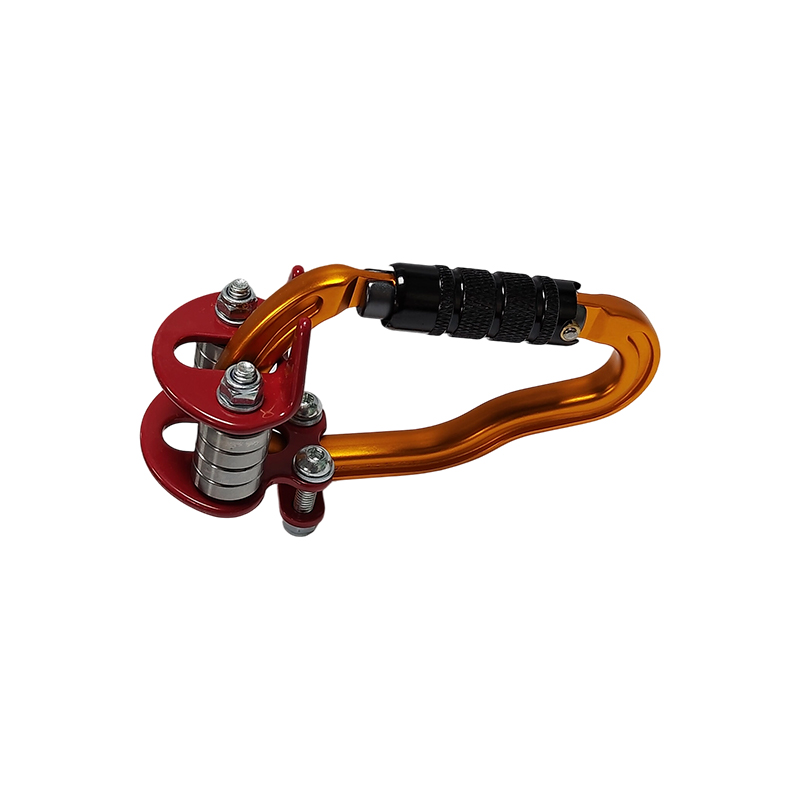
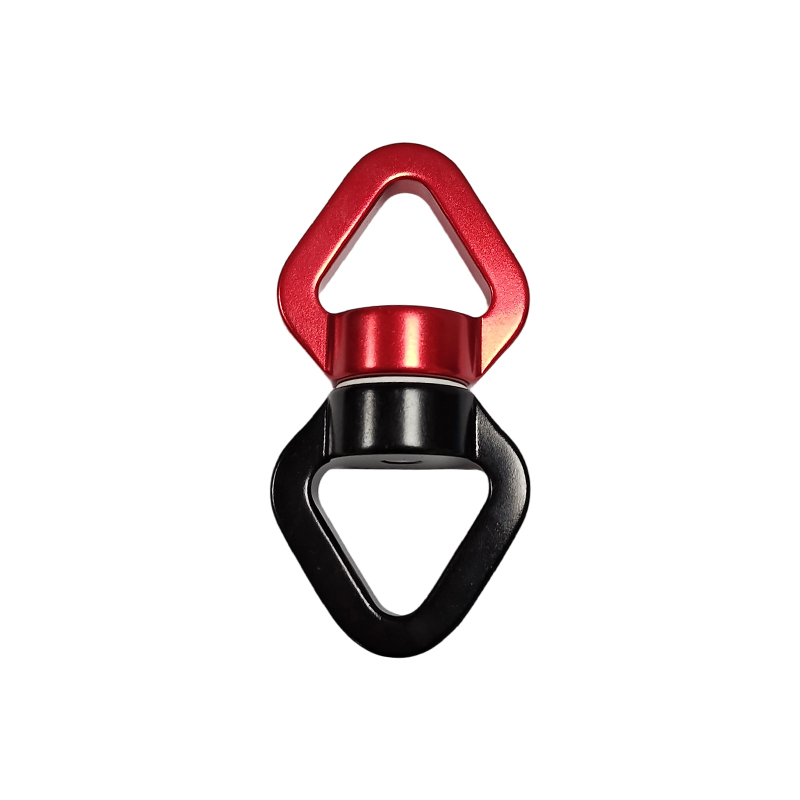
Safety hooks are designed with both function and ergonomics in mind. Curved or straight hook shapes, gate types, and locking mechanisms are carefully chosen to suit intended applications. Smooth edges prevent damage to ropes and slings, while gate openings are optimized for easy attachment to anchors and devices. Manufacturers focus on reducing weight without compromising strength, improving portability for recreational climbers or mobility for industrial workers. Innovations include integrated swivel points to reduce twisting, spring-loaded gates for one-handed operation, and color-coded components for visibility. These features enhance safety, efficiency, and convenience in complex rope setups. Users select safety hooks based on compatibility with their equipment, load requirements, and operational environment, ensuring reliable performance across a range of scenarios.
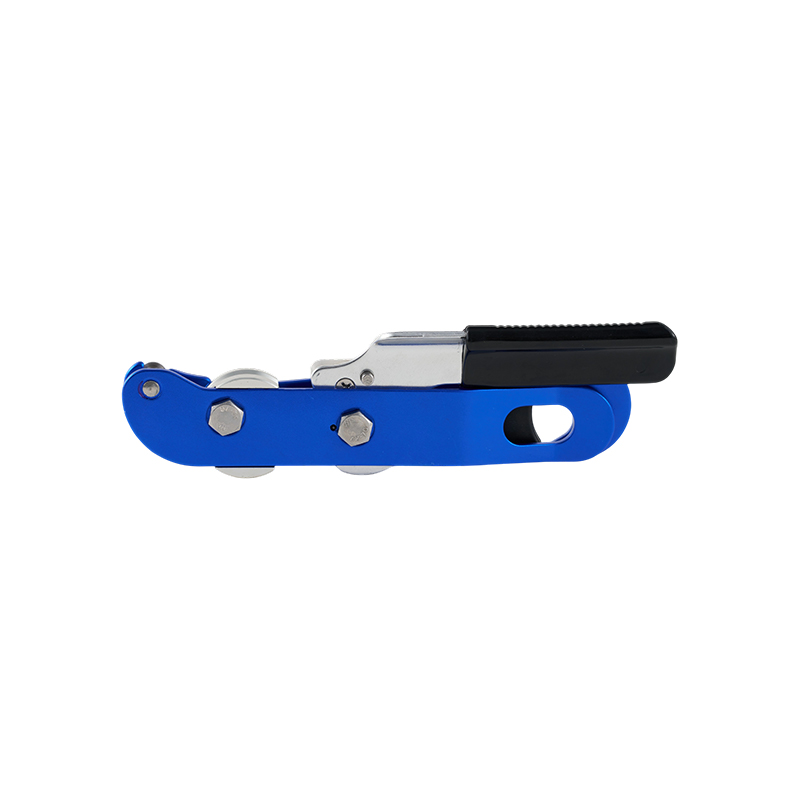
Safety hooks also interact closely with other rope system components, such as harnesses, ascenders, descenders, and rigging plates. Understanding these interactions helps users achieve secure and organized setups. The combination of appropriate hook selection, proper attachment technique, and equipment configuration allows for efficient vertical mobility and load management. In professional settings, supervisors often review hook usage and system assembly to ensure adherence to safety guidelines, reflecting the device’s critical role in risk mitigation. The widespread adoption of safety hooks demonstrates their value in providing both security and convenience for a broad spectrum of climbing, rescue, and industrial operations.






 3rd Floor, Comprehensive Building, No. 1 Huimin Road, Nanmingshan Street, Liandu District, Lishui City, Zhejiang Province
 +86 15325130332
