

 English
 Deutsch
 عربى
عربىUnderstanding Aluminum Alloy Pulleys
Aluminum alloy pulleys are mechanical components designed to guide ropes, cables, or belts, allowing smooth lifting, tensioning, and motion transfer. Unlike heavier metal pulleys, aluminum alloy variants provide a lightweight alternative without compromising structural strength. Their durability and corrosion resistance make them suitable for indoor and outdoor applications, from construction projects to industrial machinery.
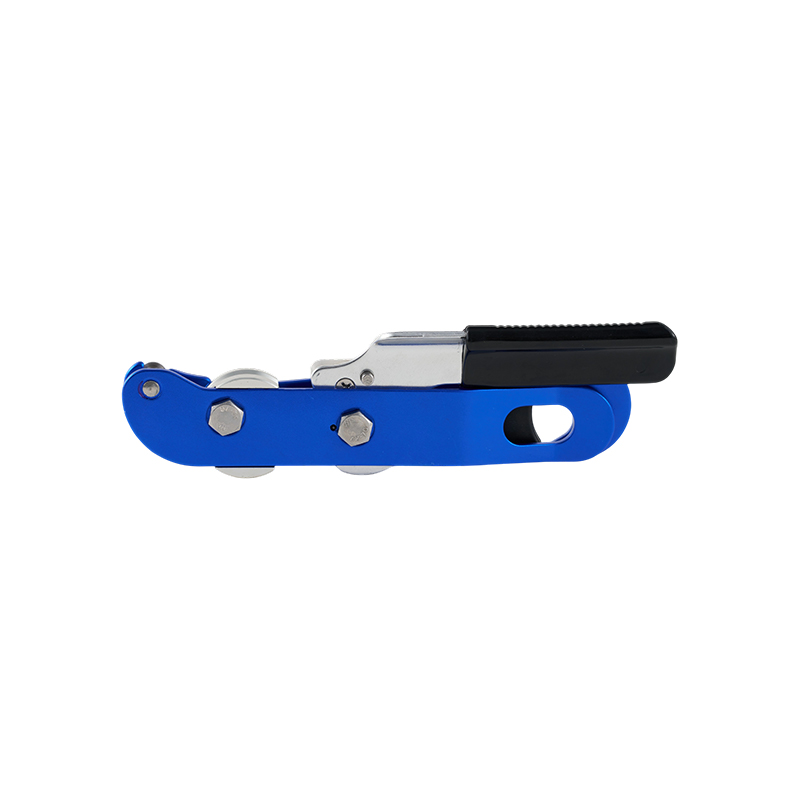
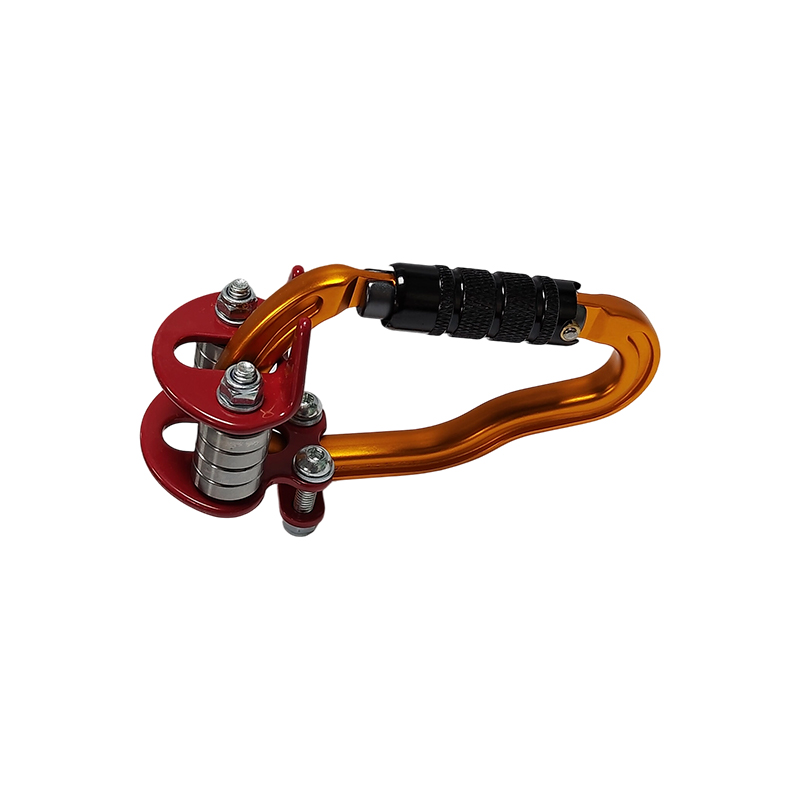
These pulleys come in different configurations, such as single, double, or multiple sheave designs. Each sheave allows for specific rope arrangements, reducing friction and distributing load efficiently. Some aluminum alloy pulleys include ball bearings or bushings, improving rotation and reducing wear over time.
Aluminum alloy pulleys are popular in recreational and adventure settings, including zip lines, climbing rigs, and sailing equipment. Their lightweight properties allow for easier transport and setup while maintaining reliable performance under load.
Advantages in Performance and Handling
The primary benefit of aluminum alloy pulleys lies in their balance between strength and weight. Their reduced mass makes handling and installation easier compared to heavier steel alternatives. Users can move equipment more efficiently, reposition pulleys quickly, and maintain precise control over lifting operations.
Aluminum alloys also offer resistance to environmental factors. Rust and corrosion are less of a concern, ensuring the pulley maintains consistent performance over time. Smooth surfaces and precise manufacturing reduce friction on ropes or belts, lowering wear on both the pulley and the connected line.
Even small design details contribute to improved handling. Rounded edges and polished sheave surfaces reduce rope abrasion, while integrated bearings enhance rotation. These factors make aluminum alloy pulleys suitable for applications requiring repeated or continuous operation.
Supporting Versatility Across Applications
Aluminum alloy pulleys are highly adaptable to various tasks. In construction, they assist in lifting materials and adjusting tension on hoists or scaffolding systems. In industrial settings, they guide belts in conveyor systems or mechanical drives. Recreational users can incorporate them into climbing setups, zip lines, or sailing rigging.
Their lightweight design allows users to assemble and disassemble systems quickly. Pulley systems can be modified depending on task requirements, including load distribution, angle of pull, and rope configuration. Multiple pulley arrangements can create mechanical advantages, reducing the effort needed to move heavy objects.
The adaptability extends to rope types and sizes. Aluminum alloy pulleys can handle synthetic ropes, natural fiber ropes, and thin or thick cables. This flexibility allows them to meet diverse performance needs while ensuring smooth operation.
Design Variety and Integration
Aluminum alloy pulleys are available in various designs, shapes, and sizes. Single-sheave pulleys are compact and lightweight, while multi-sheave designs allow for more complex lifting systems. Some include side plates, ball bearings, or specialized grooves to optimize rope placement and rotation.
Color and finishing options can help users identify different load capacities or functions quickly. Lightweight designs make transportation and storage easier, while durable alloy construction ensures long-term usability. Many designs are compatible with hooks, carabiners, or brackets, making integration into existing systems straightforward.
Conclusion
Aluminum alloy pulleys provide a lightweight, durable, and versatile solution for guiding ropes, belts, and cables. They offer smooth operation, reduced friction, and easy handling in a variety of settings, from industrial machinery to recreational setups. Adjustable configurations, multiple sheave options, and precise manufacturing make them suitable for repeated and complex operations.






 3rd Floor, Comprehensive Building, No. 1 Huimin Road, Nanmingshan Street, Liandu District, Lishui City, Zhejiang Province
 +86 15325130332
