

 English
 Deutsch
 عربى
عربىClimbing a fixed rope for any real distance puts a lot of strain on the arms if someone relies purely on hand strength to move upward. A chest ascender solves part of that problem by shifting some of the climbing effort to the torso, letting the body's larger muscle groups share the workload rather than leaving everything to grip strength alone.
How A Chest Ascender Functions
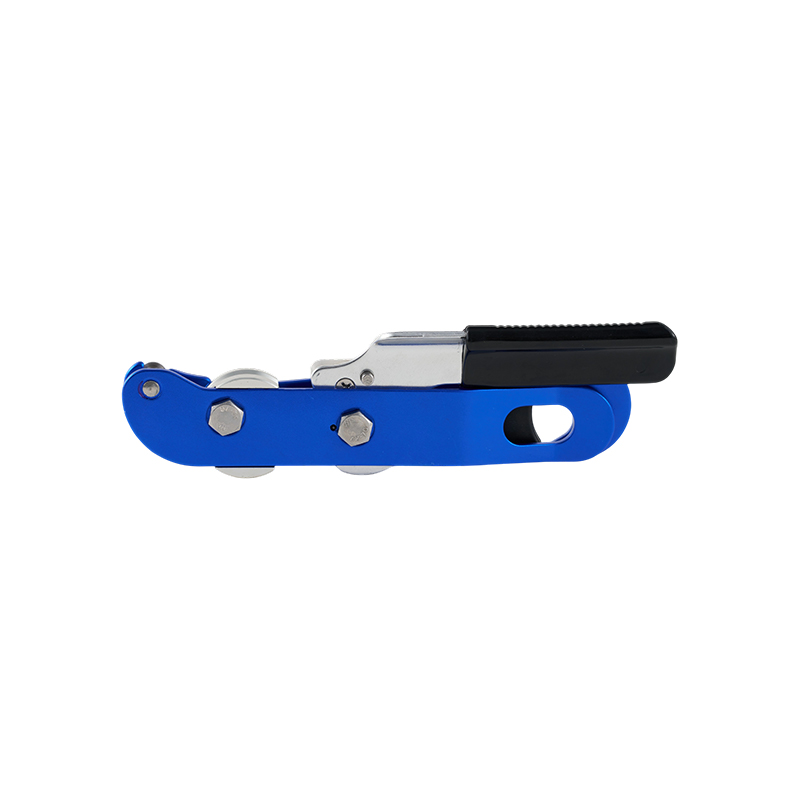
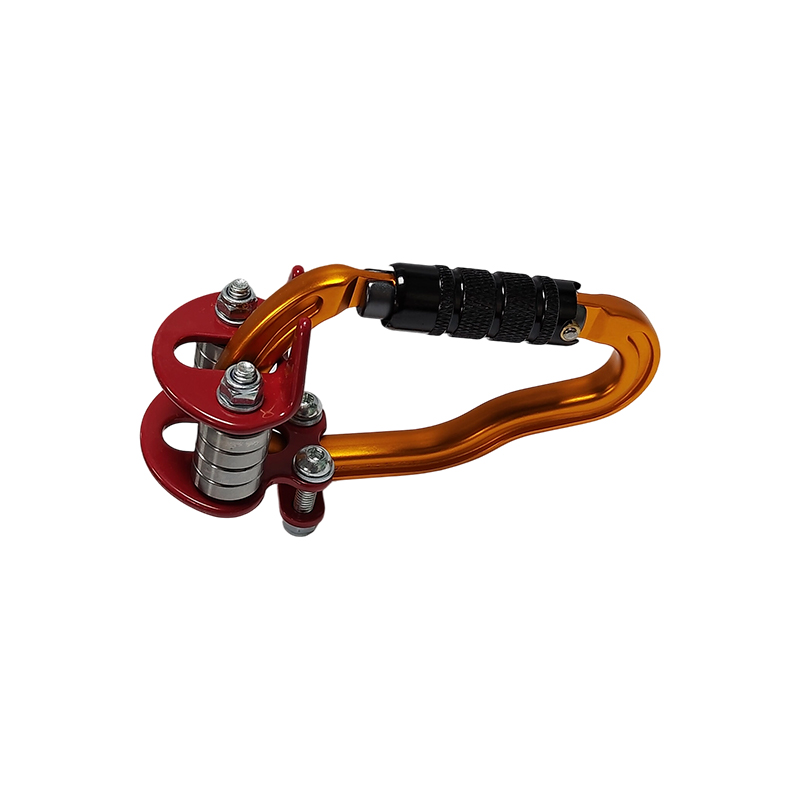
A chest ascender attaches to the climber's harness or chest harness and clamps onto the rope through an internal cam mechanism. That cam allows the device to slide freely upward along the rope while gripping tightly the moment downward pressure gets applied. This one-directional locking action means the device holds a climber's position securely without slipping backward, even mid-movement.
Most rope-climbing systems pair a chest ascender with a separate hand ascender, creating a coordinated climbing rhythm. The climber pushes upward using leg movement, the chest ascender slides up and locks, and the hand ascender then gets repositioned higher on the rope for the next push. This combination distributes effort across the body rather than concentrating strain in the arms and shoulders alone.
Where This Equipment Gets Used
Rope access technicians represent a steady source of demand for chest ascender equipment, particularly in industries like building maintenance, wind turbine inspection, and industrial cleaning, where workers spend extended periods suspended on rope systems. Caving and canyoneering also rely on chest ascenders regularly, since these activities often involve climbing fixed ropes through vertical sections lacking footholds.
Search and rescue teams use chest ascenders too, particularly when personnel need to ascend ropes quickly while carrying additional gear or equipment. Mountaineering expeditions climbing fixed lines on steep glacier sections or rock faces also depend on this equipment, since efficient rope ascent matters when covering significant vertical distance across a single climbing day.
A few common application categories include:
- Industrial rope access work, covering inspection, maintenance, and construction tasks
- Recreational caving and canyoneering, where fixed ropes span vertical drops
- Rescue operations requiring rapid rope ascent under time pressure
Materials And Build Considerations
Chest ascender bodies typically get machined from aluminum alloy, chosen for its combination of light weight and structural strength. The cam mechanism inside usually includes a toothed or serrated gripping surface, designed to bite into rope fibers without cutting or excessively damaging the rope material over repeated use.
Attachment points connecting the ascender to a harness need reinforced construction, since this connection bears a climber's full body weight during use. Manufacturers building this equipment pay close attention to how the ascender interfaces with different rope diameters, since a device calibrated for a narrower rope might grip inconsistently on a thicker one.
Ergonomic shaping around the device body also factors into design, since a chest ascender sits directly against a climber's torso for extended periods. Rounded edges and adjustable strap systems reduce pressure points, letting climbers wear the device comfortably across long ascents without chafing or discomfort building up over time.
Pairing Chest Ascenders With Other Gear
A chest ascender rarely operates alone within a climbing system. Full rope-access setups typically combine it with a hand ascender, a seat harness, a chest harness, and often a backup safety device like a rope grab, creating layered redundancy throughout the climb. Manufacturers producing chest ascender units frequently design them with compatibility in mind, ensuring the device integrates smoothly with harness attachment points and rope diameters common across the broader climbing equipment market.
Buyers sourcing this equipment for industrial or recreational supply tend to look at cam durability, attachment point strength, and compatibility across different rope types, since a chest ascender performing inconsistently across varying rope conditions creates real safety concerns for the people relying on it during a climb.






 3rd Floor, Comprehensive Building, No. 1 Huimin Road, Nanmingshan Street, Liandu District, Lishui City, Zhejiang Province
 +86 15325130332
