

 English
 Deutsch
 عربى
عربىWhat Does a Chest Ascender Actually Do During a Climb?
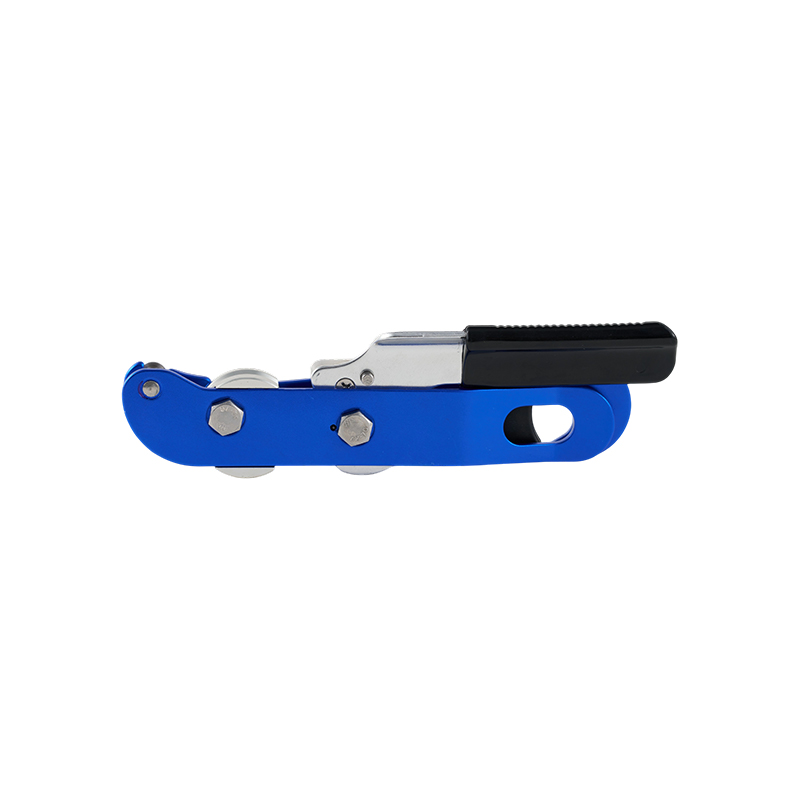
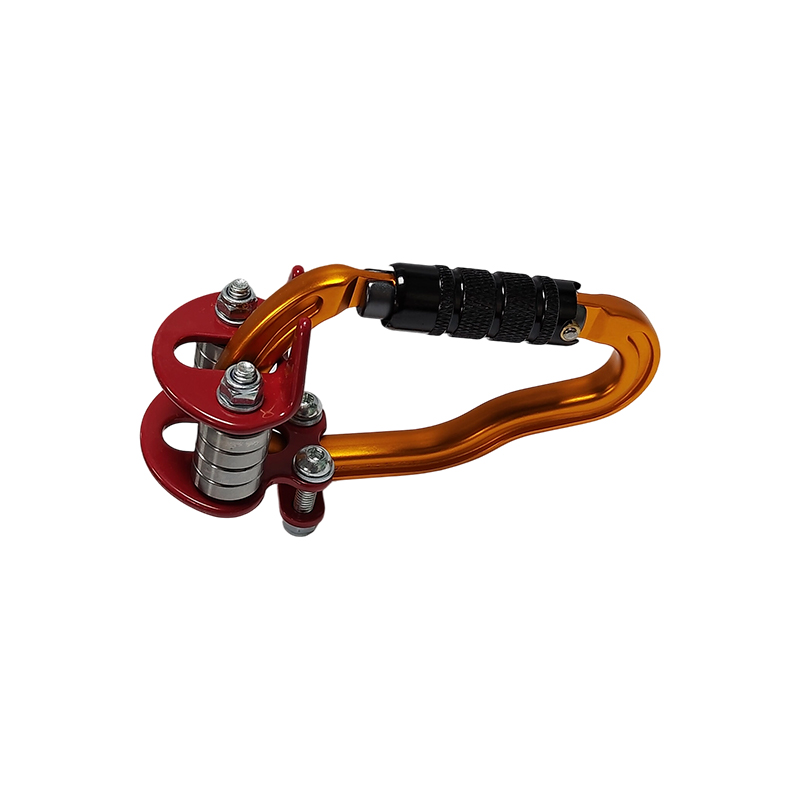
Anyone who's watched a rope access technician move up a fixed line has probably noticed a small device sitting close to the chest, connected by a short strap or sling. That's the chest ascender, and its job is fairly specific — it keeps the climber's body upright and close to the rope while a separate handled ascender does the work of gripping and releasing as the climber moves upward. On its own, a chest ascender doesn't do much climbing. It's there to manage body position, not to bear the full load of the ascent.
This distinction matters more than it might seem at first. Without something keeping the torso close to the rope, climbers using only a handheld ascender tend to lean backward or drift away from the line, which makes the whole movement less efficient and more tiring over a long climb. A chest ascender solves that by holding a fixed point of contact near the sternum, letting the body stay aligned with the rope as the legs and lower ascender handle the actual upward progress.
Why Do Climbers Pair a Chest Ascender With a Handled Ascender?
Rope ascent systems, in general, tend to rely on a combination of devices rather than a single tool, and this is where the chest ascender fits into a larger setup, doing a fairly specific job within that mix. A typical configuration includes a handled ascender attached to a foot loop for pushing upward, paired with a chest ascender that keeps the torso stable throughout each cycle of movement, cycle after cycle, without much variation. Working together, the two devices split the mechanical task in a way that reduces strain on the arms and back, something climbers tend to notice more on longer routes than shorter ones.
This pairing shows up frequently in caving, tree work, and industrial rope access, where climbers may spend extended periods moving along a single fixed line, sometimes for hours without much of a break. Without the added stability from a chest ascender, that kind of repeated motion becomes noticeably harder to sustain, since the body has to work against its own tendency to swing away from the rope with each push, a small thing that adds up fast over distance.
How Does a Chest Ascender Attach to a Climbing Harness?
Attachment method varies a bit between models, but the general idea stays consistent — a strap or short sling connects the chest ascender to the climber's harness, positioning the device at chest height where it can maintain contact with the rope. Some versions use an adjustable strap that loops around the shoulders, while others attach more directly to a chest harness component worn alongside the main seat harness.
Getting the fit right matters for comfort as much as function. A strap set too loose lets the device shift away from the body during movement, reducing its effectiveness, while one set too tight can restrict natural upper body motion during long climbs. Manufacturers producing chest ascender lines typically offer some adjustability in strap length specifically to accommodate different body sizes and harness setups across a range of users.






 3rd Floor, Comprehensive Building, No. 1 Huimin Road, Nanmingshan Street, Liandu District, Lishui City, Zhejiang Province
 +86 15325130332
