

 English
 Deutsch
 عربى
عربىRope Descender Finds Wider Use Across Multiple Industries
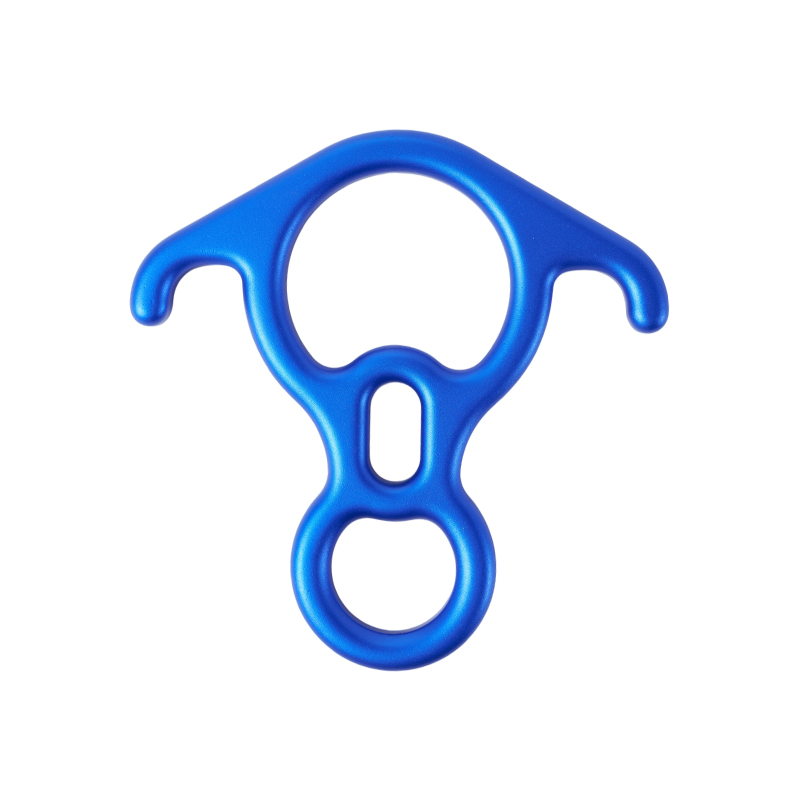
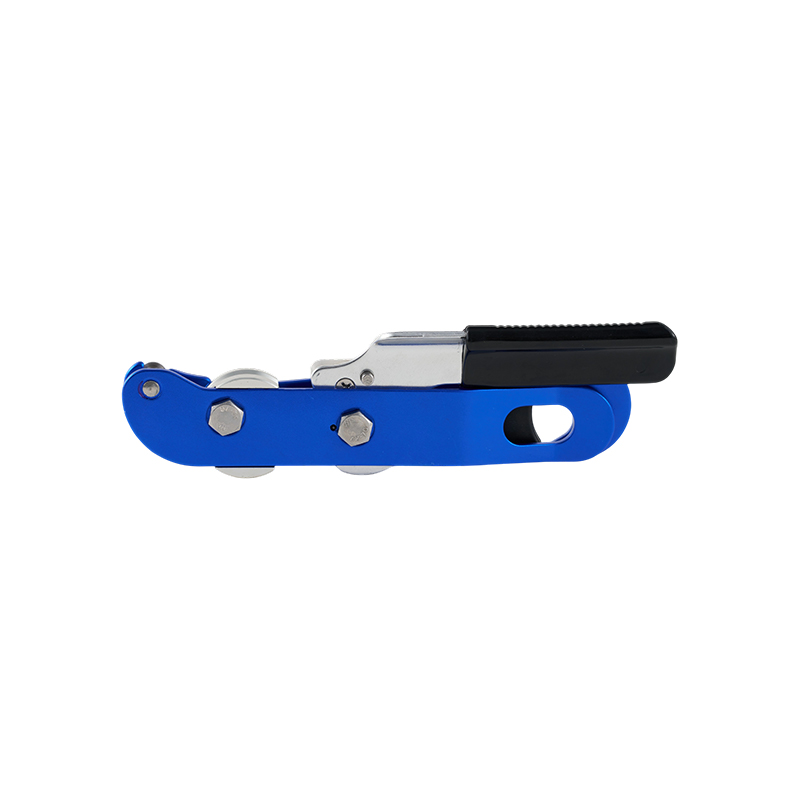
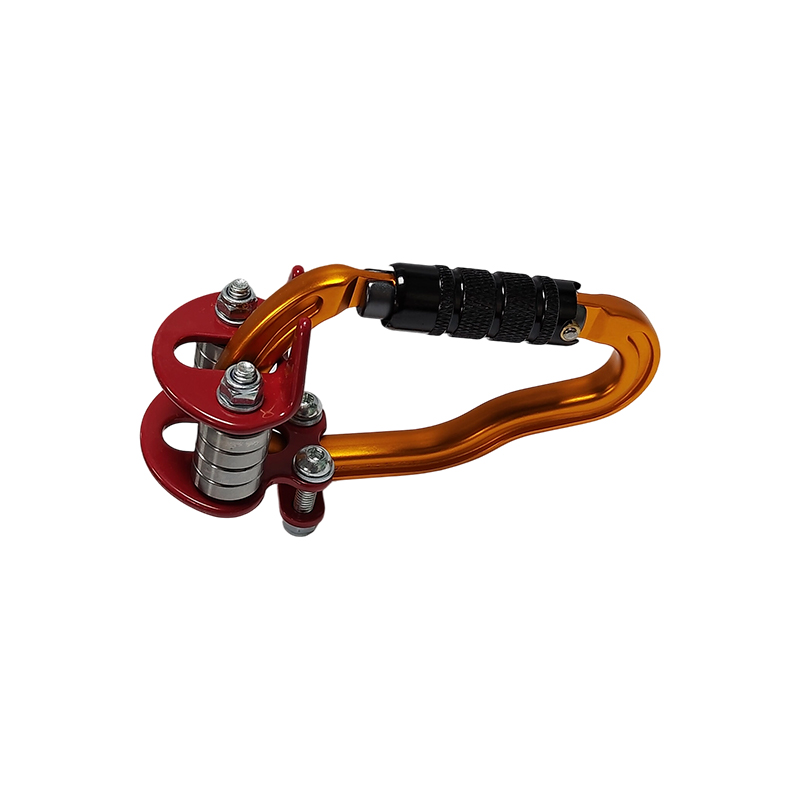
The Rope Descender has become an important component in many rope access systems. Industrial technicians, construction teams, rescue organizations, utility workers, and adventure operators all depend on controlled rope movement during vertical tasks. As equipment designs continue to develop, manufacturers are introducing Rope Descender models that focus on stable operation, smoother rope travel, and compatibility with different rope systems.
Growing demand for efficient access solutions has encouraged manufacturers to improve machining accuracy, material selection, and structural design. These developments allow equipment suppliers to offer products suitable for a wide range of working environments, from high-rise buildings to mountain terrain.
Material Selection Shapes Product Performance
Material choice plays a significant role in Rope Descender manufacturing. Aluminum alloys remain widely used because they combine relatively low weight with good mechanical strength. Stainless steel versions are often selected for applications where additional durability and wear resistance are required.
During production, manufacturers pay close attention to several factors:
- Precision CNC machining for consistent dimensions
- Smooth rope contact surfaces
- Balanced structural geometry
- Stable friction management
- Reliable connection points for compatible hardware
Surface finishing also contributes to the final product. Carefully processed edges help reduce unnecessary rope abrasion during operation while maintaining smooth rope travel. Consistent manufacturing tolerances improve compatibility with commonly used rope diameters.
Modern Manufacturing Improves Consistency
Production technology has changed significantly in recent years. Digital manufacturing systems now support tighter quality consistency across production batches. Computer-controlled machining centers produce complex shapes with improved repeatability, allowing designers to introduce more refined internal rope channels and friction surfaces.
Automation has also reduced production variation, making it easier to achieve consistent product dimensions throughout large manufacturing runs. Engineers continue refining designs to simplify operation while maintaining reliable rope control characteristics.
Design Features Support Different Working Scenarios
A Rope Descender is expected to perform in many different environments. Industrial maintenance teams may work on communication towers, bridges, or large buildings. Rope access technicians often operate inside factories, storage tanks, and power facilities. Outdoor instructors may use similar equipment during climbing or training activities.
To meet these varied requirements, designers often focus on practical details such as:
- Compact overall dimensions
- Comfortable handling
- Stable rope braking characteristics
- Multiple attachment configurations
- Compatibility with standard rope diameters
- Balanced weight distribution
Many newer products also feature ergonomic contours that improve handling during installation and operation. Rounded external profiles reduce interference with other connected equipment while allowing smoother movement throughout rope systems.
Attention is also given to simplifying rope installation. Clear rope paths and intuitive layouts help operators prepare equipment efficiently during work planning.
Market Demand Encourages Continuous Product Development
As industries continue adopting rope access methods for inspection, installation, and maintenance work, manufacturers are responding with broader product portfolios. Different Rope Descender models are now available for various load capacities, rope sizes, and operational preferences.
Equipment suppliers are also expanding customization services. Some customers request company branding, specialized finishes, or modified structural details to match existing equipment systems. Flexible production capabilities make these requests easier to accommodate without changing overall manufacturing efficiency.
At the same time, research teams continue studying friction behavior, material wear, and structural balance during product development. Small adjustments in geometry or machining precision can influence rope handling characteristics, giving manufacturers additional opportunities to refine future production batches.





 3rd Floor, Comprehensive Building, No. 1 Huimin Road, Nanmingshan Street, Liandu District, Lishui City, Zhejiang Province
 +86 15325130332
