

 English
 Deutsch
 عربى
عربىSmall Hardware, Practical Functions
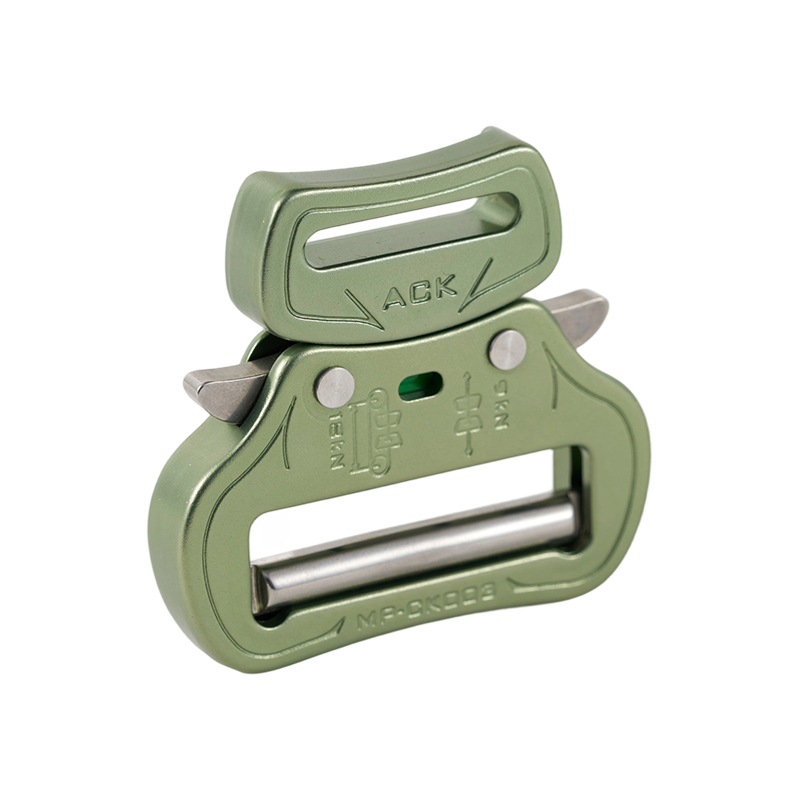
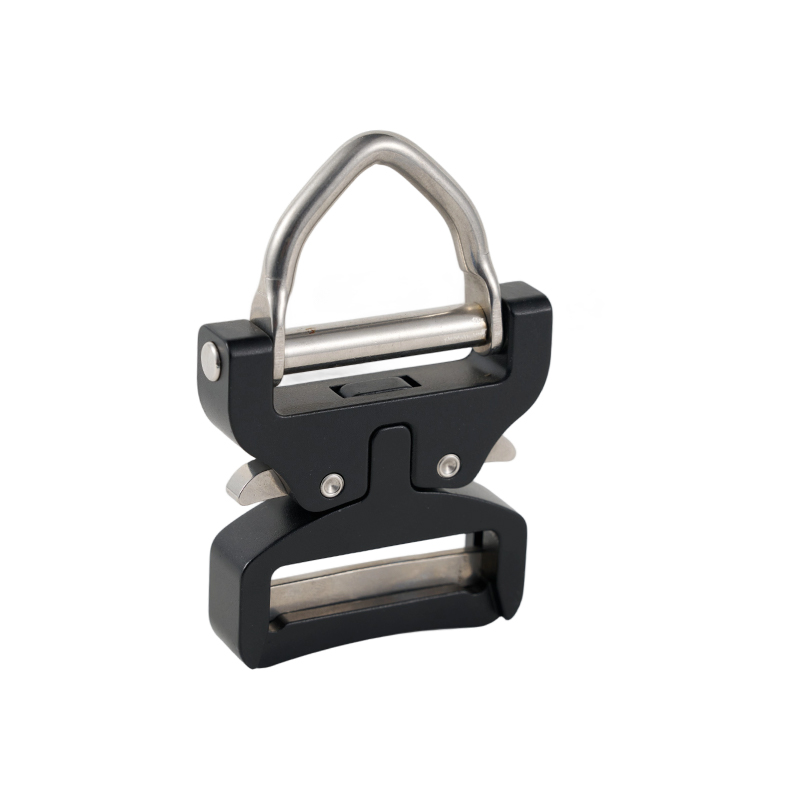
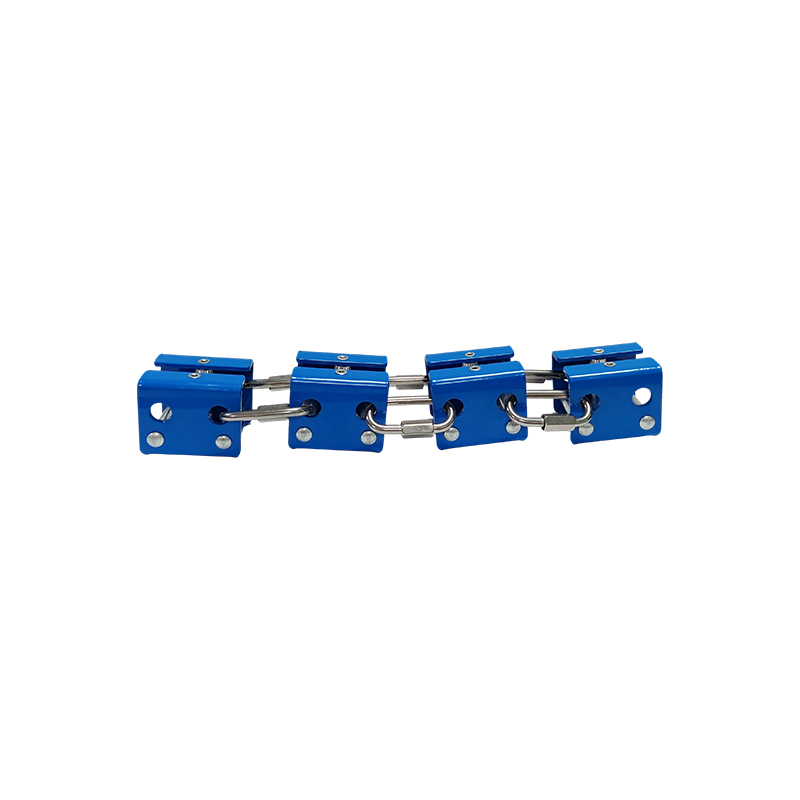
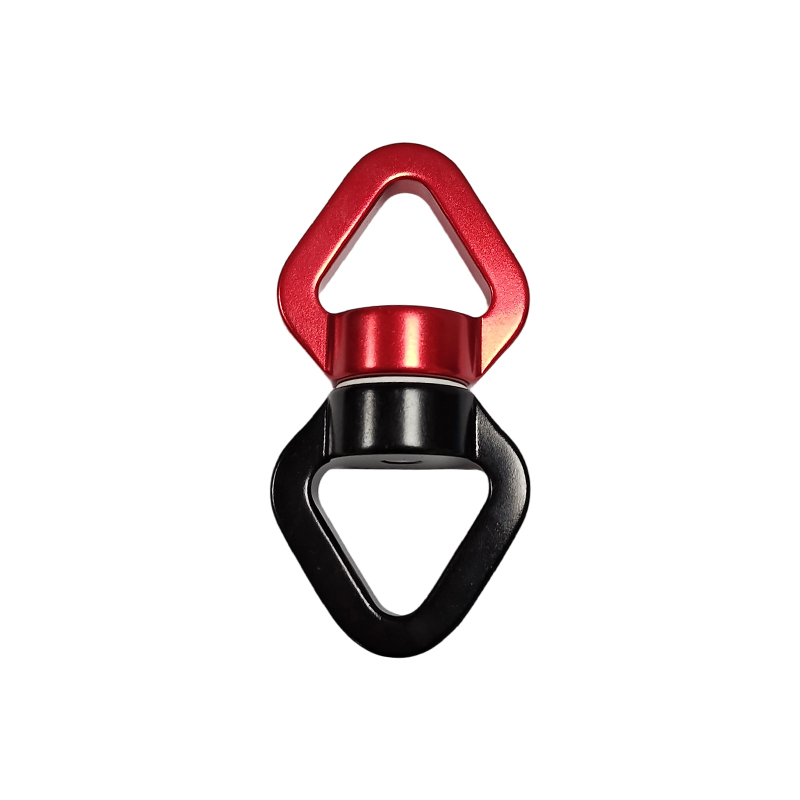
Small hardware components often have a direct impact on how products are assembled, carried, or connected. A Hanging Buckle is one such component. It provides a connection point for hanging, attaching, or securing compatible items, depending on its shape and intended use. Although it may appear simple, its structure can influence how easily a product can be handled and how well different parts work together.
Hanging hardware appears in bags, backpacks, clothing accessories, storage products, outdoor equipment, and various household items. Manufacturers select different buckle designs according to the product structure, expected load, attachment method, and appearance. Understanding these differences helps explain why this small component has a place in many product categories.
How Buckle Structure Affects Daily Use
The structure of a buckle determines how it connects with other components. Some designs use a closed loop, while others include an opening mechanism that allows users to attach or remove an item more easily. The choice depends on whether the connection needs to remain in place or allow frequent changes.
A Hanging Buckle may be combined with fabric straps, cords, metal rings, webbing, or molded plastic parts. Its shape needs to match the dimensions and connection method of the surrounding components. A mismatch can make assembly difficult or affect the way the finished product is used.
Material selection also influences the final result. Metal components are often chosen for their firm structure and distinct surface appearance, while plastic versions can offer different shapes, colors, and weight characteristics. Neither option suits every application, so manufacturers consider the product's intended function before choosing a design.
Design Details That Influence Product Compatibility
Several physical characteristics deserve attention when developing products that use hanging hardware. Overall dimensions affect how the component fits into a strap or attachment point. The opening size determines which rings, cords, or other parts can pass through it. Shape and edge finishing can also influence the way connected materials sit against the hardware.
Connection methods vary between products. Some components are sewn into fabric assemblies, while others connect through loops, rings, screws, or dedicated mounting structures. The correct arrangement depends on the materials and construction of the product.
When incorporating a Hanging Buckle, designers should also consider how users will interact with the connection. A component intended for frequent attachment and removal may require a different structure from one that stays in place throughout normal use. These functional differences help manufacturers select hardware that fits the product rather than adding unnecessary complexity.
Customization and Manufacturing Requirements
Different product lines may require variations in size, color, shape, surface finish, or attachment structure. Customization allows manufacturers to coordinate hardware with a product's appearance and assembly requirements. For example, a travel accessory may need a different buckle profile from a clothing accessory, even when both use hanging connections.
OEM and ODM arrangements can support these variations. Buyers may provide drawings, samples, dimensional requirements, or information about the intended application. Manufacturers can then review the proposed structure and determine how the component can be produced to match the design.
For a Hanging Buckle, clear dimensional information is particularly useful when the part must fit existing webbing, rings, or mounting points. Consistency between the hardware and the surrounding components helps simplify product assembly and maintain a uniform appearance across production batches.






 3rd Floor, Comprehensive Building, No. 1 Huimin Road, Nanmingshan Street, Liandu District, Lishui City, Zhejiang Province
 +86 15325130332
