

 English
 Deutsch
 عربى
عربىNobody buys a hanging buckle and thinks much about it. It is a small piece of metal or plastic on a strap, and it either works or it does not. The problem is that it tends to matter most at the wrong moment — halfway up a trail, on a highway with a shifting load, or when a dog decides to run. Backpacks, horse tack, cargo straps, camera harnesses, tool lanyards — the buckle is always somewhere in the system, doing the same quiet job.
What a hanging buckle actually does
The basic requirement is awkward: stay closed under load, open instantly on demand. Fixed hardware cannot do both. A bolted hook holds but takes two hands and thirty seconds to remove. A plain snap hook opens in one move but pops under a sideways knock. Hanging buckles are built around that gap — the release is deliberate, not accidental, and the hold is firm enough that nothing shifts until the user decides it should.
Common types of hanging buckles
- Snap buckles — one push to open; fast and light, but the load limit is real; fine for a backpack chest strap, not for a cargo net
- Side-release buckles — pinch both sides; the standard on adjustable bag straps, child carriers, and light harnesses
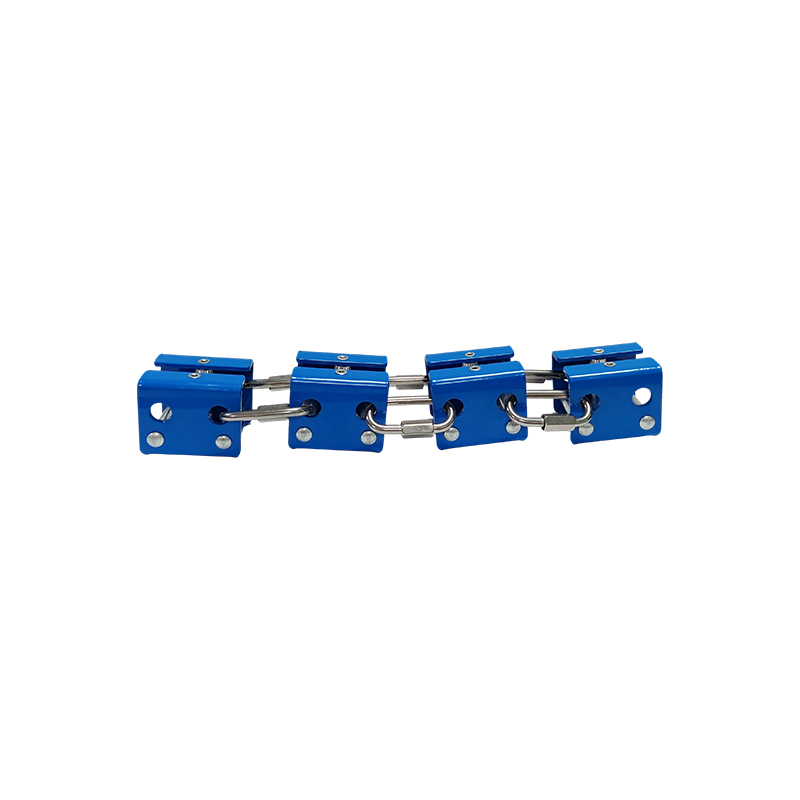
- Cam buckles — a toothed cam bites the webbing; strap length adjusts without a separate slider; the default for tie-down straps
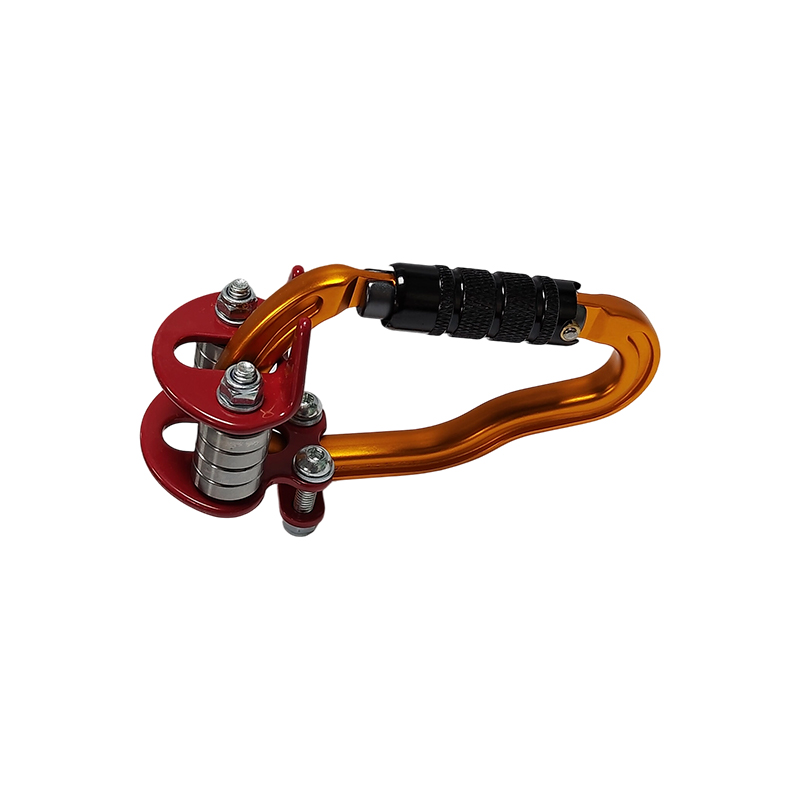
- Spring-gate carabiners — a sprung metal gate; useful where the connection needs to rotate freely, like rigging or equipment lines
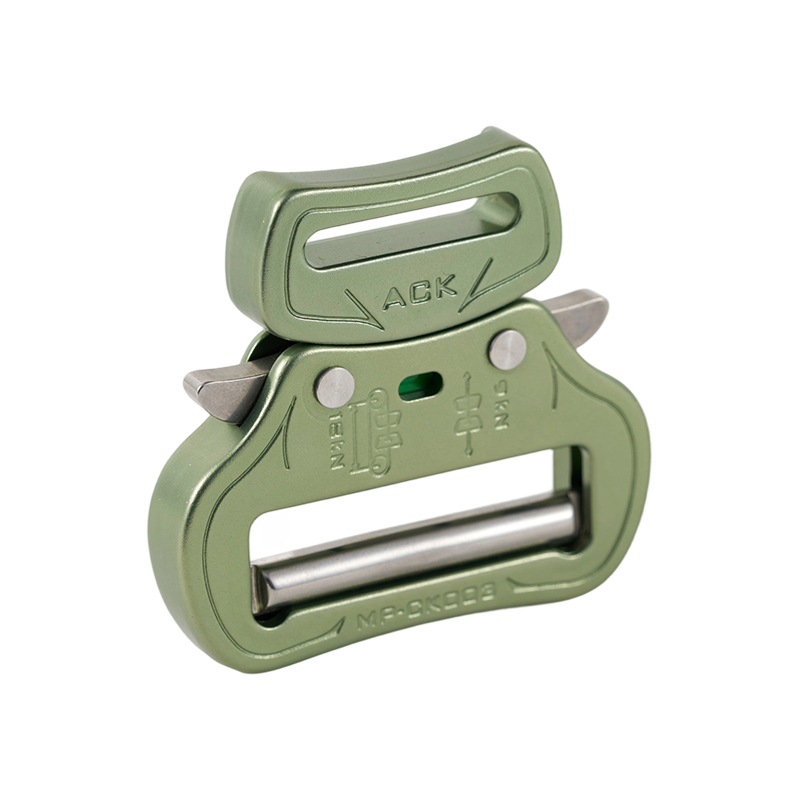
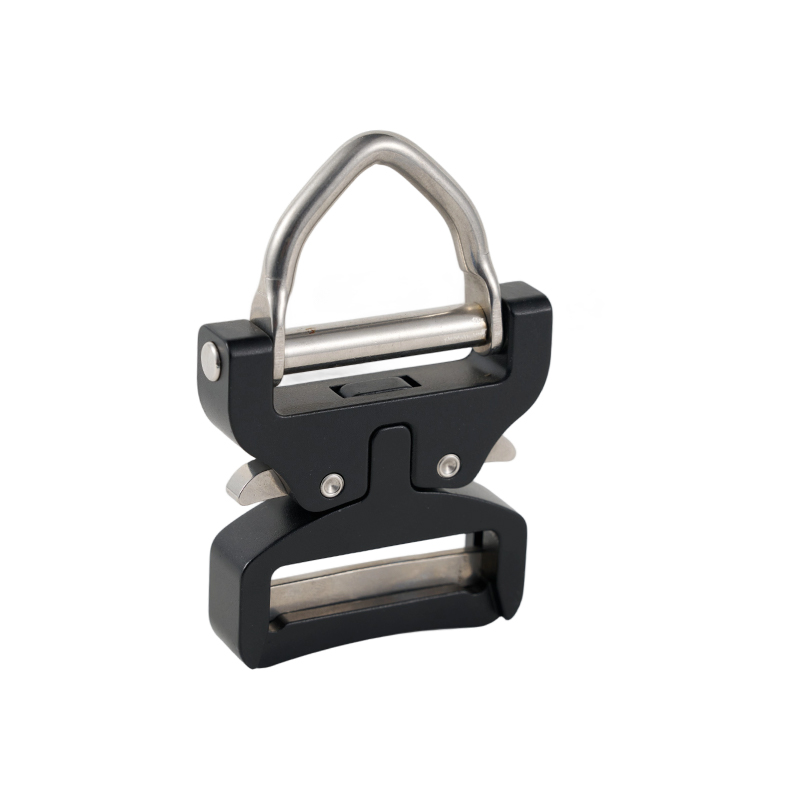
- Hook-and-bar buckles — hook drops over a fixed bar; releases one-handed under tension; horse tack and military webbing use these for good reason
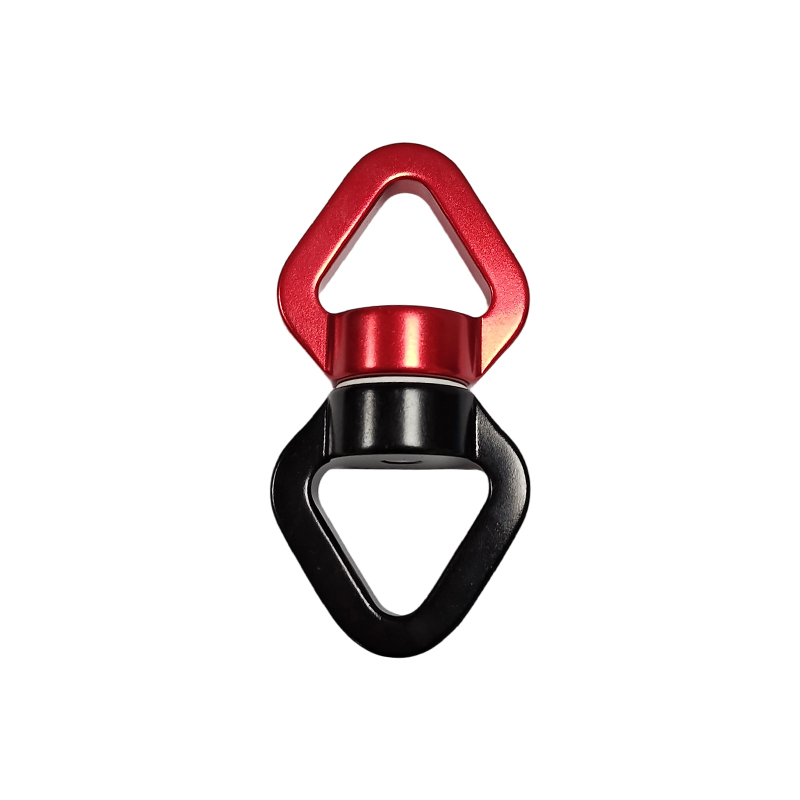
- Swivel buckles — a rotating joint in the body stops the strap from winding up on itself; dog leashes, retail hangers, tool lanyards
Materials
- Plastic buckles — nylon or acetal mostly — are cheap, light, and unbothered by water. They do the job on consumer gear without complaint. What they do not handle well is prolonged sun and hard cold; both make the material brittle faster than the load rating would suggest.
- Steel holds more and does not deform under sustained pull. Stainless is worth the extra cost anywhere near salt air, food equipment, or permanent outdoor fixtures. Plain steel is fine indoors or in dry climates, less so if it is going to sit outside through a wet winter.
- Aluminum costs more than plastic, weighs less than steel, and does not rust. Climbing hardware and aviation tie-downs use it because the weight difference across a full kit adds up. For a single buckle on a bag strap, it is probably more than the job needs.
Sizing and strap compatibility
Hanging Buckle width follows the webbing — 20mm, 25mm, 38mm, 50mm. Put a 38mm strap through a 25mm buckle and the grip is wrong from the start; the webbing bunches, the hold weakens, and the strap wears through faster.
The other number worth checking is throat depth — the gap the strap actually feeds through. Thick canvas or doubled webbing needs more clearance than single-layer nylon tape. Both measurements need to be right before placing an order, particularly for production quantities where a sizing mistake means pulling and replacing the whole batch rather than just swapping one piece.






 3rd Floor, Comprehensive Building, No. 1 Huimin Road, Nanmingshan Street, Liandu District, Lishui City, Zhejiang Province
 +86 15325130332
