

 English
 Deutsch
 عربى
عربىAluminum alloy pulleys appear in many types of machinery and equipment where motion transfer plays a central role. These components help direct belts and cables while supporting rotational movement in various setups. This article reviews how aluminum alloy pulleys function within mechanical arrangements and their contribution to different operational contexts.
Core Characteristics of Aluminum Alloy Pulleys
Aluminum alloy pulls off something that heavier metals generally cannot — it holds up under load without adding much to the overall weight of the system. For a pulley, that matters more than it might seem. The alloy can be cast or machined to fairly tight tolerances, which means the finished part tends to rotate without the kind of wobble that throws a belt off track over time. The groove running around the pulley face is where the real work happens: get the profile right and a belt stays where it belongs through the full range of operating conditions; get it wrong and alignment becomes a recurring problem rather than a one-time adjustment.
These pulleys often feature corrosion resistance suitable for environments with varying humidity or exposure levels. Their construction supports consistent performance in systems requiring repeated cycles of acceleration and deceleration. Manufacturers produce them in a range of diameters and widths to match specific belt sizes and load requirements.
Applications in Industrial Machinery
In manufacturing facilities, aluminum alloy pulleys form part of conveyor belt systems that move materials along production lines. The pulleys help maintain tension and direction changes as items travel between workstations. Their lighter weight can simplify installation in overhead or extended configurations common in assembly areas.
Packaging equipment uses these pulleys to coordinate timing belts that synchronize different machine sections. The components contribute to steady operation in high-cycle environments where continuous motion is necessary. Food processing lines and material handling setups also incorporate them where hygiene considerations and smooth surfaces matter.
Use in Fitness and Recreational Equipment
Gym machines often rely on aluminum alloy pulleys within cable systems for weight stacks and resistance training. The pulleys enable smooth cable movement during exercises, supporting consistent resistance throughout the range of motion. Home fitness setups and commercial facilities both utilize these parts in various equipment designs.
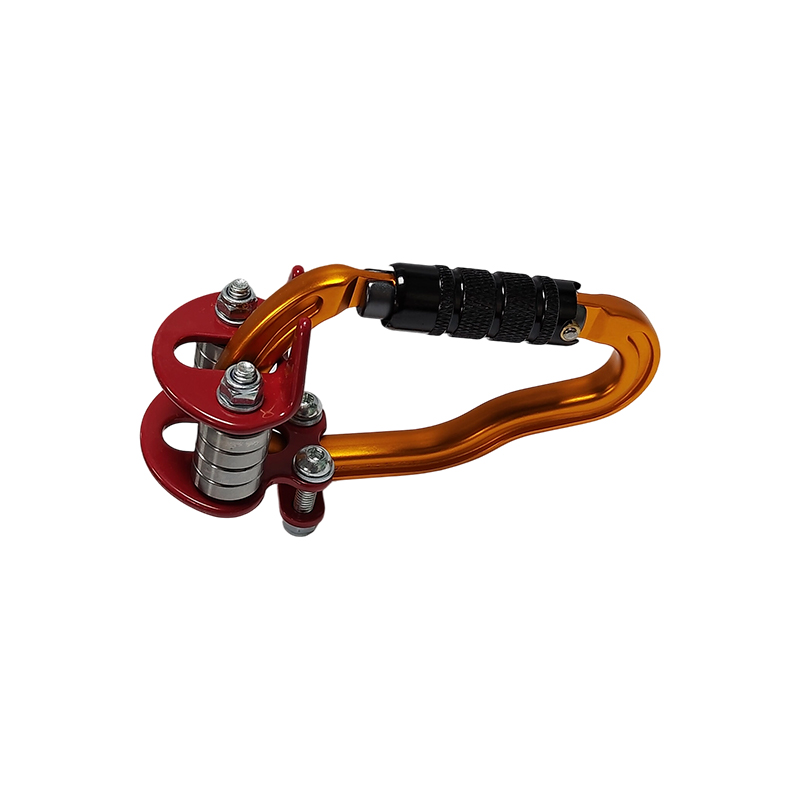
Outdoor recreational gear, such as certain climbing or hoisting devices, incorporates the pulleys for controlled movement. Their balance of durability and weight makes them suitable for portable applications where users carry equipment between locations. The components help facilitate reliable function in dynamic activity settings.
Design Elements and Variations
Aluminum alloy pulleys come in single-groove and multi-groove configurations to accommodate different belt types. Timing pulleys feature tooth patterns that mesh with corresponding belts for precise synchronization. Idler pulleys serve tensioning roles without driving power directly.
Surface treatments enhance wear resistance at contact points with belts. Keyway slots or set screws allow secure attachment to shafts in mechanical assemblies. Custom bore sizes ensure compatibility with various motor and gearbox outputs found across equipment types.
Integration in Power Transmission Setups
Mechanical systems combine aluminum alloy pulleys with belts, bearings, and motors to create complete drive arrangements. Proper alignment during assembly helps reduce vibration and extend service intervals in operational conditions. The pulleys distribute forces across the belt contact area during load changes.
In automated production cells, multiple pulleys coordinate to handle complex motion sequences. The components support speed reduction or increase ratios when paired with different diameters in belt trains. This versatility allows engineers to adapt systems to specific cycle times and power needs.





 3rd Floor, Comprehensive Building, No. 1 Huimin Road, Nanmingshan Street, Liandu District, Lishui City, Zhejiang Province
 +86 15325130332
