

 English
 Deutsch
 عربى
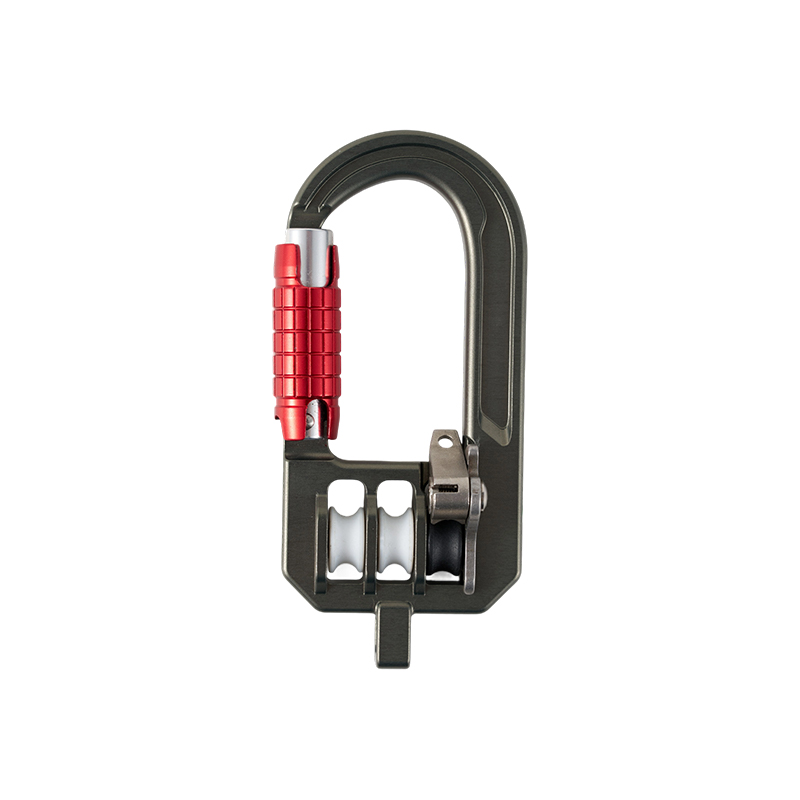
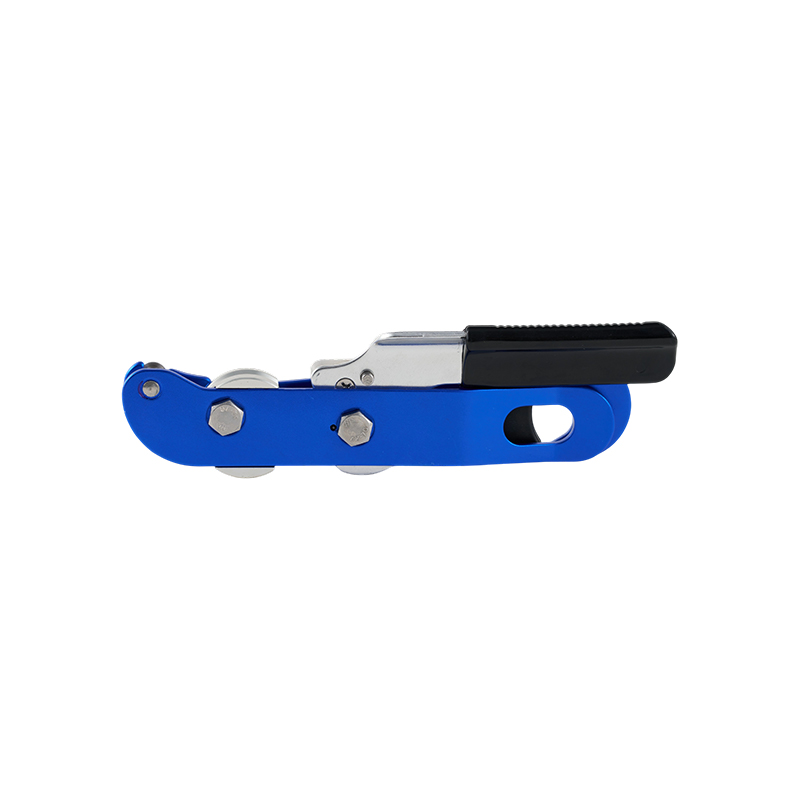
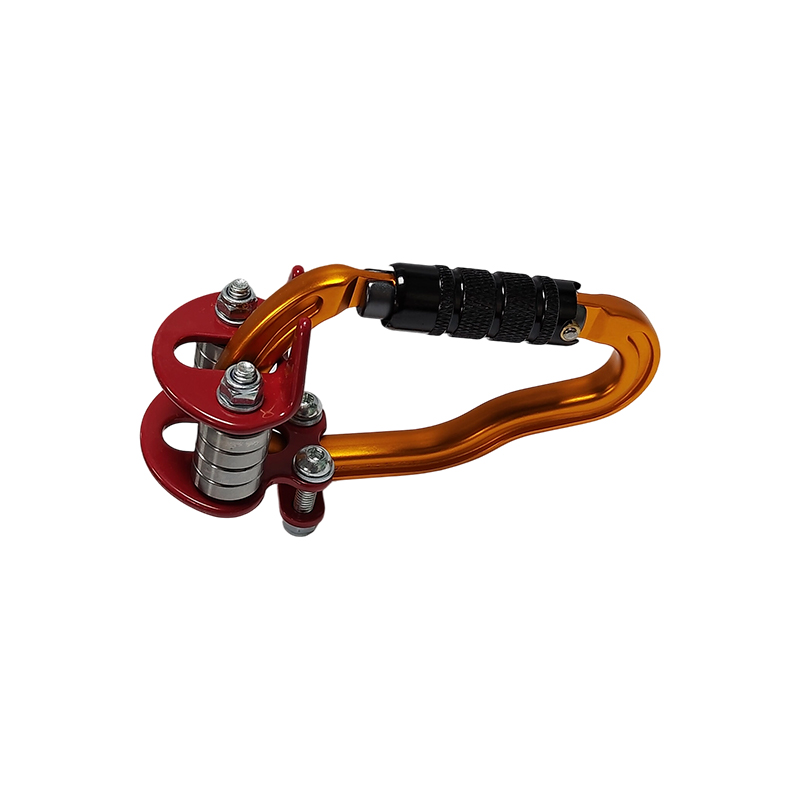
عربىHigh-Strength Precision Aluminum Alloy Pulleys are engineered for maximum performance, combining lightweight design with exceptional load-bearing capacity. Crafted from premium aluminum alloy, these pulleys provide superior durability, corrosion resistance, and smooth rotation under heavy loads. Precision machining ensures minimal friction, enhanced efficiency, and reliable operation in climbing, rescue, and industrial applications.
The use of aluminum alloy in pulley manufacturing is not new, but in recent years, through improvements in material processing and precision machining technology, aluminum alloy pulleys have been significantly optimized in terms of strength, wear resistance, and service life. Engineers point out that high-strength aluminum alloys can not only withstand higher mechanical loads but also reduce the overall energy consumption of equipment while maintaining a lightweight design, thereby improving the operating efficiency of industrial systems.
Lightweight Design Boosts Industrial Equipment Efficiency
In traditional mechanical systems, pulleys, as key components for power transmission, have a direct impact on the overall operating efficiency and energy consumption of the equipment. Aluminum alloy has a significant density advantage compared to steel and iron, allowing for lightweight design of components while maintaining strength. Lightweight pulleys not only help reduce driving energy consumption but also reduce the load on motors and transmission systems, thus extending the service life of the equipment.
Furthermore, lightweight design offers advantages in high-speed rotating mechanical equipment. Reducing the weight of the pulley reduces inertial resistance, making the system smoother during starting and braking, and reducing equipment vibration and noise. This characteristic is particularly important in automated production lines, robotic systems, and precision conveying equipment.
Precision Machining Technology Enhances Pulley Performance
The performance of high-strength aluminum alloy pulleys depends not only on the material itself but also on the manufacturing process. In recent years, with the development of CNC machining, precision milling, and surface treatment technologies, the dimensional accuracy, roundness, and surface finish of pulleys have been significantly improved. Precision machining technology can effectively reduce component friction, reduce energy loss during operation, and improve transmission efficiency.
It is worth noting that the surface of the pulley is often treated with processes such as anodizing, sandblasting, or coating. This not only improves corrosion resistance but also improves friction characteristics, allowing the pulley to maintain stable operation even in humid or chemical environments. These treatment processes are particularly important for industrial equipment that operates for extended periods, as maintenance costs are closely related to service life. Diverse Application Scenarios Demonstrate the Value of Pulleys
High-strength precision aluminum alloy pulleys are showing a diversified trend in their applications in the industrial field. In conveyor systems, aluminum alloy pulleys can be combined with belts, chains, and other transmission components to achieve smooth material transport; in robotic systems, lightweight pulleys help reduce the weight of the robotic arm, improving motion accuracy and response speed; in lifting and hoisting systems, aluminum alloy pulleys, with their strength and wear resistance, ensure the stable transmission of loads.
In addition, aluminum alloy pulleys also have considerable application potential in new energy vehicles, aerospace equipment, and precision instruments. For example, in the power transmission systems of new energy vehicles, lightweight pulleys can reduce vehicle energy consumption; in aerospace equipment, high-precision aluminum alloy pulleys help improve the response speed and safety of mechanical components; in precision instruments, their high roundness and stability ensure the accuracy of measurement and control.
Sustainable Development and Material Selection
With the promotion of the concept of sustainable industrial development, the environmental advantages of aluminum alloy pulleys are gradually gaining attention. Aluminum has the characteristics of high recyclability and low energy consumption, making its impact on the environment relatively small during manufacturing and disposal. Compared with traditional steel pulleys, aluminum alloy pulleys help reduce the carbon footprint during the production, use, and recycling stages, conforming to the concept of green manufacturing.
Engineering technology experts point out that the future development of pulleys will not only depend on material strength and processing accuracy, but also require comprehensive consideration of environmental impact, usage costs, and ease of maintenance. High-strength aluminum alloy pulleys are a type of component that has received widespread attention under this trend, and their performance advantages and sustainable characteristics provide a reliable component choice for modern industrial equipment.
Future Development Trends
With the development of industrial automation and intelligent manufacturing, the requirements for pulley performance will further increase. High-strength precision aluminum alloy pulleys are expected to be optimized in the following directions:
- Material improvement: Through the development of new aluminum alloy materials or composite materials, improve strength, wear resistance, and fatigue resistance.
- Improved processing accuracy: By using advanced CNC machining and surface treatment technologies, further reduce the friction coefficient and improve transmission efficiency.
- Lightweight and modular design: Combined with the overall optimization of the mechanical system, develop lighter and replaceable pulley modules to facilitate equipment maintenance and upgrades.
- Intelligent monitoring: Pulleys may integrate sensors to monitor operating status, prevent equipment failures, and improve system reliability.
Overall, high-strength precision aluminum alloy pulleys demonstrate broad value in modern industrial applications due to their lightweight design, precision machining, and durability. With continuous technological advancements and the expansion of application fields, these pulleys are expected to become indispensable key components in industrial equipment design, supporting production efficiency, equipment reliability, and sustainable development.






 3rd Floor, Comprehensive Building, No. 1 Huimin Road, Nanmingshan Street, Liandu District, Lishui City, Zhejiang Province
 +86 15325130332
