

 English
 Deutsch
 عربى
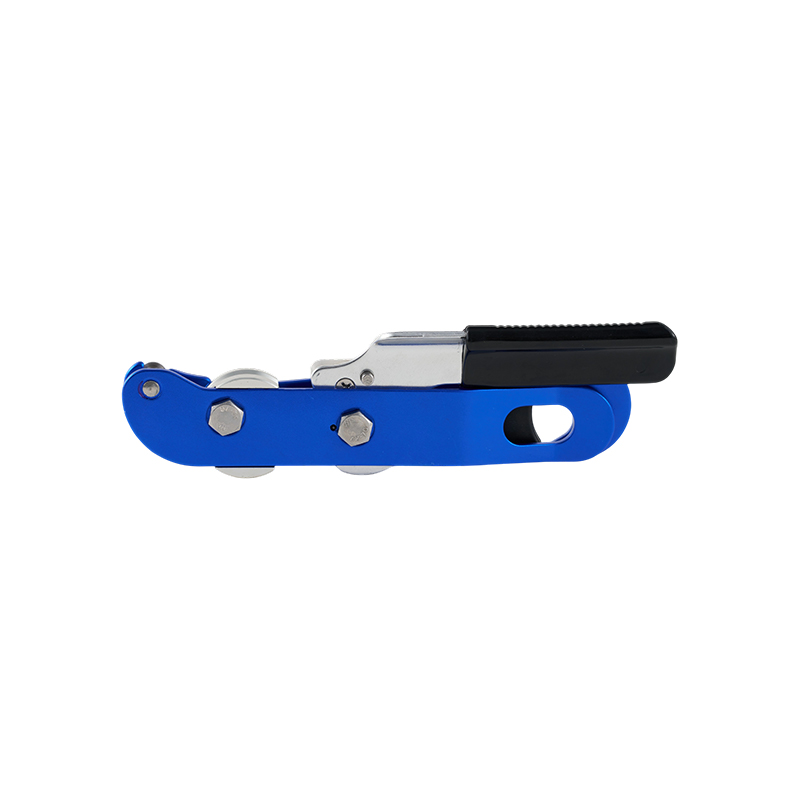
عربىLightweight single-rope climbing safety ascenders, characterized by their compact structure, light weight, and ease of operation, provide crucial safety protection in climbing, rescue, and high-altitude work.
Single-rope climbing safety ascenders are primarily used to ascend along a single rope, with their core advantage being the ability to ensure users can safely and stably control their position during climbing. With advancements in materials science and precision manufacturing technology, modern ascenders have seen continuous improvements in strength, durability, and ease of operation, allowing them to perform reliably in a variety of environments.
Lightweight Design Reduces Load Pressure
In prolonged climbing or high-altitude work, equipment weight directly affects the user's physical exertion and operational efficiency. Lightweight single-rope climbing ascenders typically use high-strength aluminum alloy or engineering plastic materials, making their overall weight significantly lower than traditional steel ascenders. The lightweight design not only reduces the carrying load but also allows for more flexible use in confined spaces.
Furthermore, lightweight equipment is particularly important in emergency rescue scenarios. Quick response and flexible operation are crucial for rescue personnel, and reducing equipment weight can shorten operation time and improve rescue efficiency.
Precision Machining and Enhanced Safety Performance
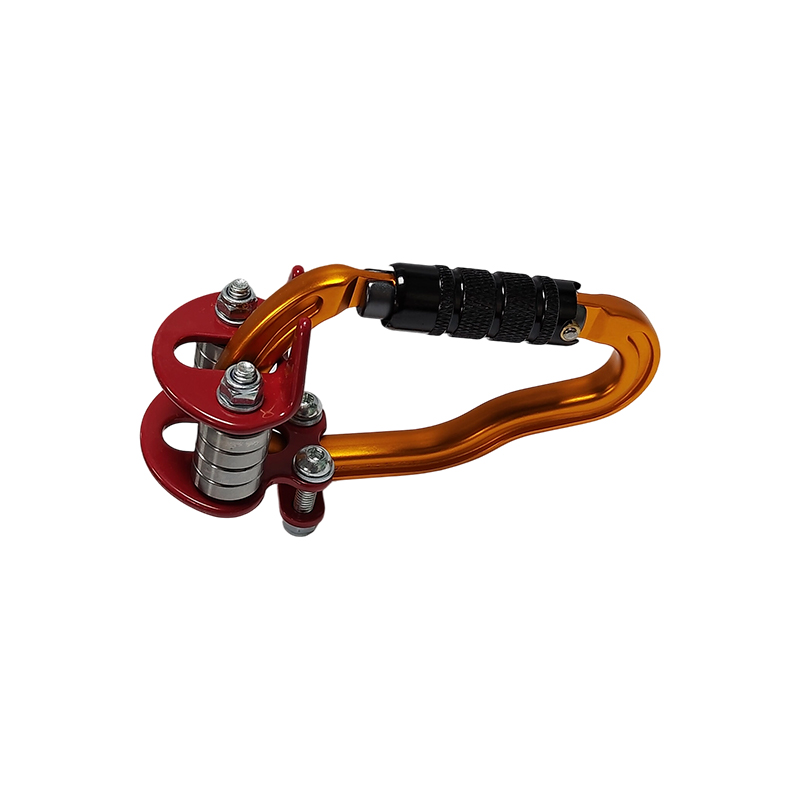
The safety performance of single-rope ascenders is closely related to material strength, structural design, and machining accuracy. Modern ascenders utilize CNC machining and surface treatment technologies in the manufacturing process to ensure the precision and wear resistance of each component. Through precision machining, pulleys, rope-gripping teeth, and connecting parts can achieve smooth cooperation, reducing friction and ensuring stable and reliable climbing.
Common surface treatment methods include anodizing and hard coating, which can improve the corrosion resistance and wear resistance of the equipment, allowing the ascender to maintain its performance in wet, dusty, or chemical environments.
Product Features Overview
Lightweight single-rope climbing safety ascenders typically possess the following main characteristics:
- Lightweight: Easy to carry, suitable for long-term use and long-distance climbing.
- Easy to operate: Comfortable to grip, allowing for single-handed fixing and ascending.
- High Durability: Made with high-strength materials and precision machining to extend service life.
- Reliable Safety: The structural design meets mechanical requirements, ensuring stable rope gripping under load.
- Strong Adaptability: Can be used with various rope diameters and in different environments, including wet, slippery, or dusty conditions.
The table below shows a comparison between the lightweight single-rope climbing ascender and traditional steel ascenders:
| Feature | Lightweight Single-Rope Ascender | Traditional Steel Ascender |
| Material | Aluminum Alloy/Engineering Plastic | Steel |
| Weight | Approx. 120-180 grams | Approx. 300-500 grams |
| Ease of Operation | Single-hand operation | Requires two hands or more space |
| Corrosion Resistance | High | Medium |
| Applicable Rope Diameter Range | 8-13 mm | 8-13 mm |
| Service Life | 5-10 years | 7-15 years |
Diverse Application Scenarios
The lightweight single-rope climbing safety ascender is not only widely used in outdoor mountaineering but also demonstrates practical value in industrial and rescue scenarios:
- Outdoor Mountaineering and Exploration: Used for rock climbing, glacier climbing, and high-altitude exploration, ensuring the safety of climbers in vertical environments.
- Emergency Rescue: In earthquake rescue, mountain rescue, and high-altitude emergency rescue, it can assist rescue personnel in quickly ascending or descending.
- Industrial High-Altitude Operations: Ensures the safety of workers in power construction, building high-altitude operations, and communication tower maintenance.
- Training and Education: Used by mountaineering schools and safety training institutions for learning and practicing climbing techniques.
In specific applications, choosing the appropriate rope diameter and load matching is crucial for safety. Users should select the appropriate ascender model and rope based on the working environment and their body weight.
Development Trends of Lightweight Single-Rope Climbing Safety Ascenders
With the popularization of outdoor sports and the increasing demand for safety in high-altitude operations, the development trend of lightweight single-rope climbing safety ascenders shows the following directions:
- Material Innovation: Exploring composite materials and high-strength lightweight alloys to improve strength and durability while further reducing weight.
- Structural Optimization: Improving the rope gripping teeth and pulley structure to make operation smoother and improve the safety factor.
- Intelligent Development: It may integrate sensors to achieve load monitoring and usage status prompts, improving safety.
- Multifunctional design: Combining ascending, descending, and fixed functions, making a single device suitable for various scenarios.
The lightweight single-rope climbing safety ascender is gaining increasing attention in outdoor sports, rescue operations, and industrial high-altitude work due to its lightweight design, ease of operation, and reliable safety features. With continuous advancements in materials science and precision manufacturing technology, these ascenders are expected to further improve in performance in the future, providing users with safer and more reliable climbing and work safety.







 3rd Floor, Comprehensive Building, No. 1 Huimin Road, Nanmingshan Street, Liandu District, Lishui City, Zhejiang Province
 +86 15325130332
