

 English
 Deutsch
 عربى
عربىWhat is a climbing ascender?
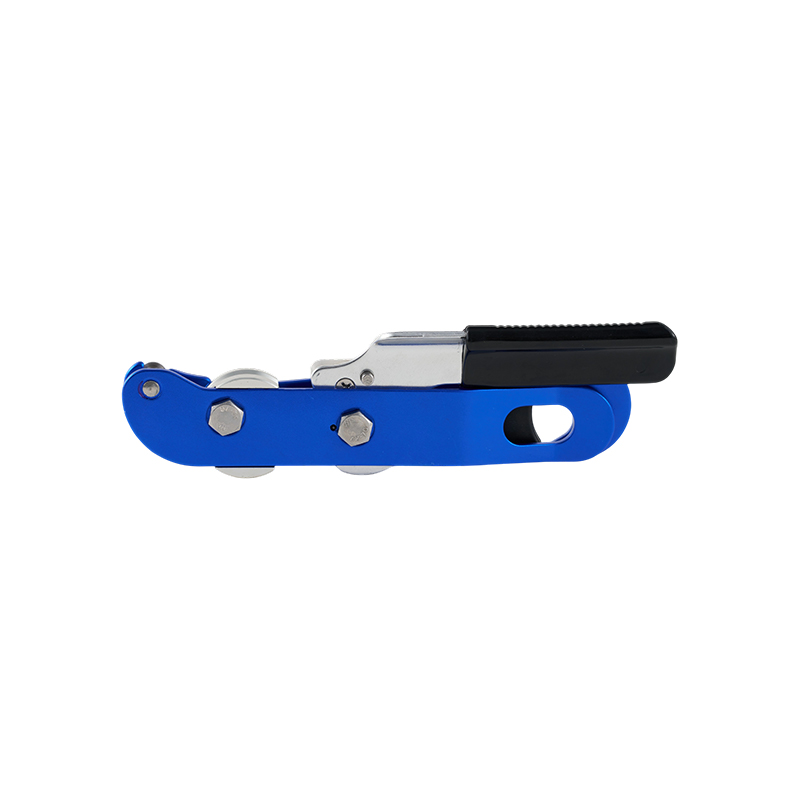
Ever heard of a climbing ascender? Some folks still call it a jumar — that was the brand name that stuck, kind of like Kleenex. It’s a little mechanical gadget that bites onto a rope, letting you move upward but stopping you from sliding back down. How? A toothed cam grips tight when you put weight on it, then loosens up when you ease off. Simple idea, solid as a rock. No wonder ascenders have become a must‑have for climbers everywhere.
Available in both handled and handleless configurations, ascenders are designed to clip onto a fixed rope and used in pairs — one on each hand — allowing the climber to essentially "walk" up a vertical line with significantly reduced physical effort compared to free climbing.
Who uses climbing ascenders?
The application range for climbing ascenders is broader than many people realize. Rock climbers use them to ascend fixed ropes on multi-pitch routes or during aid climbing sections. Arborists rely on ascenders daily for tree care work at height. Industrial rope access technicians — who service wind turbines, bridges, and building facades — use ascenders as core components of their work positioning systems.
Search and rescue teams around the world have also integrated ascenders into their standard gear kits. During operations where a rescuer must ascend a rope quickly and hands-free movement is needed, a reliable cam-based ascender can make a meaningful difference. Military and expedition teams operating in mountain environments have similarly adopted these devices as standard kit.
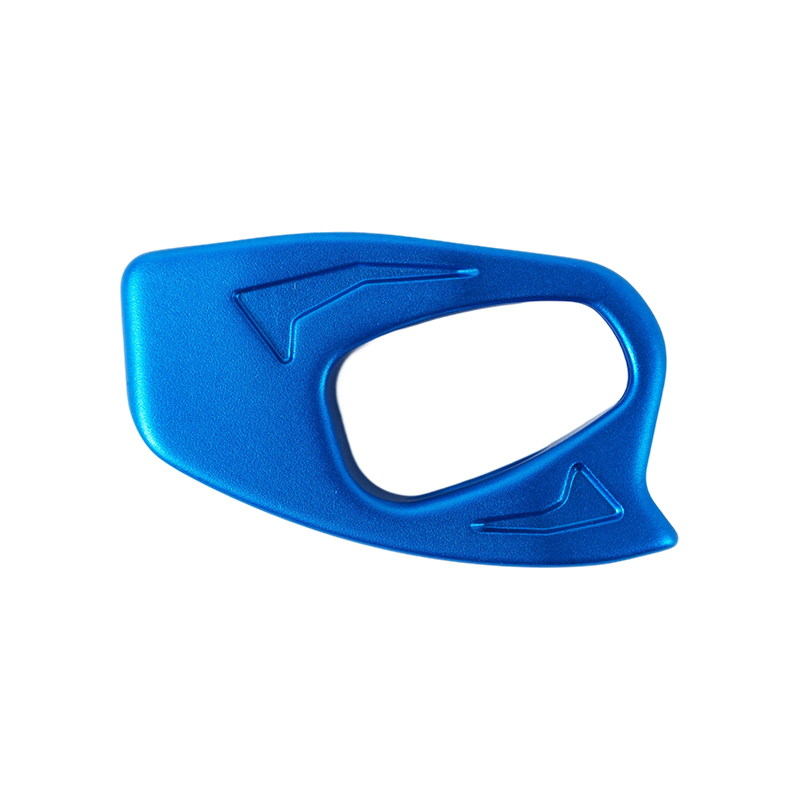
Key features to look for in a climbing ascender
Not all ascenders are built the same. Buyers should consider the rope diameter compatibility of any device before purchase — most models are designed for ropes in the 8mm to 13mm range, but variations exist. The cam mechanism should engage cleanly and release without excessive stiffness.
Handle design plays a substantial role in comfort during extended use. Ergonomic, angled handles reduce wrist strain during long ascents. Some models include a secondary safety catch that prevents accidental disengagement on slack rope. Weight is another practical consideration — lightweight aluminum ascenders are common in sport climbing, while heavier-duty stainless models are typically reserved for industrial or rescue use where durability under repeated loading is a priority.
Left-hand and right-hand versions are generally sold separately. This handedness affects the direction the cam opens and how the device sits on the rope during use. Climbers working with both ascenders simultaneously will need one of each orientation.
Safety considerations when using ascenders
Like all climbing equipment, ascenders must be used within their intended design parameters. The device should always be used on a rope that falls within the manufacturer's specified diameter range. Using an ascender on a wet, icy, or damaged rope can reduce cam engagement and affect reliability.
Climbing Ascenders are not designed to function as belay devices and should never be used as the sole means of fall arrest in dynamic situations. They are meant for ascending a static or semi-static line under controlled conditions. When working at height, users should always have a backup connection to the rope or anchor system — typically a short tether or a secondary friction hitch placed below the ascender.
Don't just clip an ascender and go. Inspect it first — cam, teeth, housing. Spot a crack, a bend, or any orange‑brown fuzz (that's corrosion)? Park it. Permanently. And here's something too many people skip: the working load limit and the maximum rated load. Every manufacturer lists them. Make sure you actually understand those figures before the device sees a real job. It's not complicated, but it matters.





 3rd Floor, Comprehensive Building, No. 1 Huimin Road, Nanmingshan Street, Liandu District, Lishui City, Zhejiang Province
 +86 15325130332
