

 English
 Deutsch
 عربى
عربىApplications Across Different Activities
In professional settings, rope descenders appear regularly during window cleaning on tall buildings, tower maintenance, and bridge inspections. Workers rely on them to move safely between levels while keeping both hands available for tools or tasks.
Rescue teams use rope descenders when lowering individuals or equipment in emergency situations. The controlled pace helps reduce risk during extraction from confined spaces or elevated positions. In fire services and technical rescue squads, the devices form part of standard rigging setups for vertical movement.
Recreational users, including rock climbers and canyon explorers, carry rope descenders for rappelling sections of routes. The devices make it easier to manage long drops and provide a backup method for managing rope speed on varied terrain.
Design Features That Support Daily Use
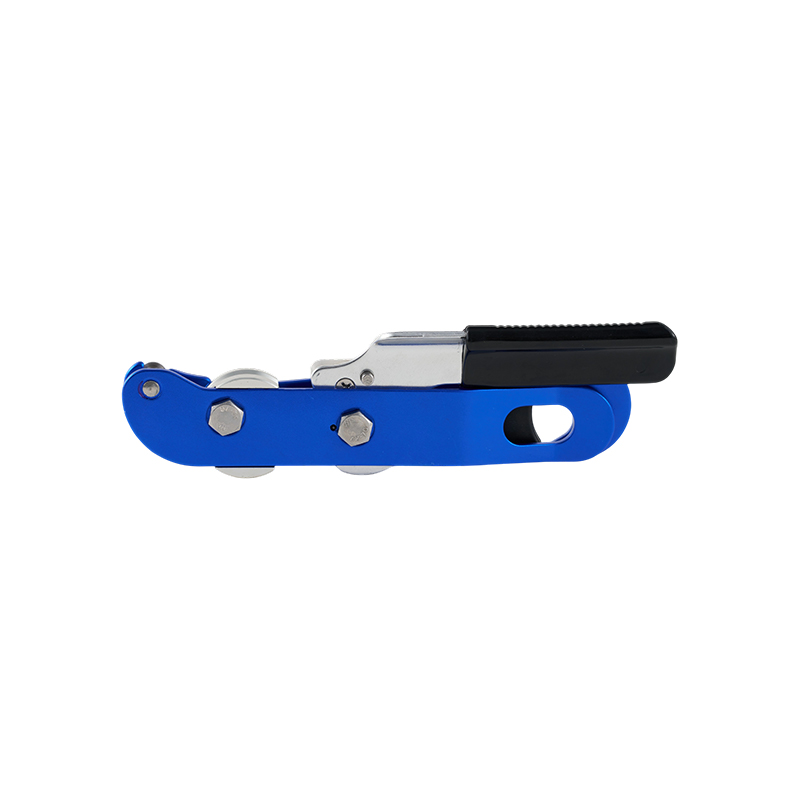
Most rope descenders these days are built from aluminum or steel, and the smart ones come with rounded edges — because nobody likes a frayed rope. The attachment points and release levers are placed where you can actually work them with gloves on. And some models? They’ve got side plates that swing open, so you can slide the rope in or out without taking the whole gadget apart. Small touch, big difference.
Weight remains a consideration for users who carry equipment long distances. Compact versions fit easily into harness gear loops or small packs, while heavier-duty options prioritize durability for frequent professional use. The rope channels and friction surfaces are shaped to work with common diameters used in various activities.
How Users Work with Rope Descenders
Proper setup makes a noticeable difference in performance. Users typically check rope compatibility, confirm secure attachment to the harness, and test the system with body weight before committing to full descent. During movement, small adjustments to body position and device orientation help maintain steady control.
In group activities or training sessions, instructors often demonstrate basic techniques such as locking off the rope for hands-free pauses. This allows users to manage communication, equipment adjustments, or route finding without rushing. The ability to stop predictably supports confidence during longer drops.
Considerations for Different Environments
Rope descenders see use in varied conditions, from dry indoor training facilities to outdoor sites with weather exposure. Models with smooth action perform well in situations requiring frequent starts and stops, while others emphasize heat dissipation during extended descents.
In industrial rope access work, teams often use descenders as part of a two-rope system — one for working and another as backup. This layered approach appears commonly in standards and procedures across sectors. Recreational climbers might pair a descender with additional friction devices depending on the length and angle of the rappel.
Training and Skill Development
Organizations that work at heights typically include rope descender practice in their regular sessions. New users learn threading patterns, emergency stop techniques, and methods for passing knots or deviations in the rope line.
More experienced operators focus on efficient transitions between ascent and descent systems or managing heavy loads. The devices reward smooth technique rather than force, which encourages deliberate movement and good decision-making at height.
Why Rope Descenders Remain Relevant
Rope descenders address a basic need in vertical environments: safe, controlled movement along a rope. They support both solo users and coordinated teams across different scales of operation. Their mechanical simplicity combined with practical versatility keeps them in regular rotation for many users.
From short training drops to full-length building descents, these tools continue to fit naturally into workflows where ropes and elevation come together. As activities and work practices evolve, rope descenders stay useful by performing their core function reliably in real-world conditions.






 3rd Floor, Comprehensive Building, No. 1 Huimin Road, Nanmingshan Street, Liandu District, Lishui City, Zhejiang Province
 +86 15325130332
