

 English
 Deutsch
 عربى
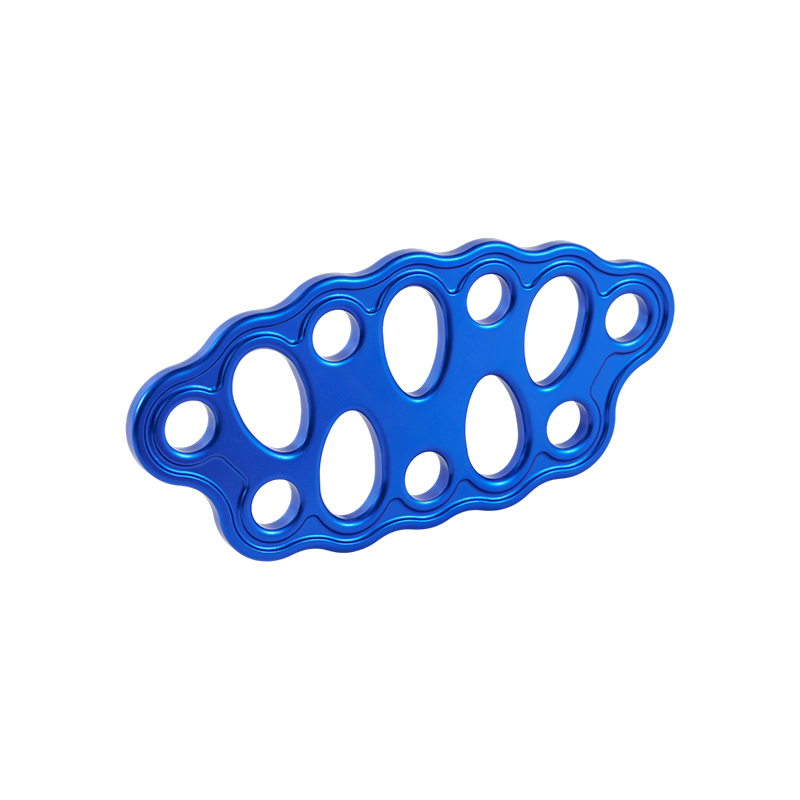
عربىThe design concept of multi-hole connection plates is to centrally manage ropes, carabiners, and other attachments in climbing or rescue equipment, allowing users to keep their gear organized and easy to operate in complex environments. With the development of lightweight materials and precision manufacturing technologies, connection plates have been significantly optimized in terms of strength, durability, and portability, providing reliable support for a variety of applications.
Advantages of Lightweight Design
During prolonged climbing or high-altitude work, equipment weight directly affects the user's physical exertion and operational flexibility. Lightweight multi-hole connection plates typically use high-strength aluminum alloy materials, and through structural optimization and weight reduction design, their weight is significantly lower than traditional steel connection plates. The lightweight design not only reduces the carrying load but also improves operational efficiency, making it easier for users to manage multiple ropes and attachments in complex environments.
Furthermore, lightweight design is equally important in emergency rescue and industrial high-altitude work. Rescue personnel need to use equipment flexibly during rapid response, and lighter connection plates can shorten operation time, reduce operational fatigue, and improve overall rescue efficiency.
Precision Machining Ensures Reliable Performance
The performance of multi-hole connection plates depends not only on the material but also on the manufacturing process. Modern connection plates use CNC machining, precision milling, and surface treatment technologies during production to ensure accurate hole positions, smooth edges, and wear-resistant surfaces. Through precision machining, carabiners or attachments can be connected smoothly, avoiding jamming or instability during use.
Common surface treatments include anodizing and hard coating, which improve corrosion resistance and wear resistance, allowing the connection plate to maintain stable performance in humid, dusty, or chemical environments. This is particularly crucial for long-term use or operation in harsh environments.
Product Features Overview
Lightweight multi-hole connection plates typically have the following features:
- Lightweight design: Easy to carry and use for extended periods, reducing operational burden.
- Multi-hole layout: Allows for reasonable load distribution and simultaneous connection of multiple ropes or attachments.
- High-strength materials: Made of aluminum alloy or composite materials to ensure load-bearing capacity.
- Corrosion resistance: Suitable for various environments, including rain, humidity, and dust.
- Convenient operation: Smooth edges for quick attachment and detachment of equipment.
The table below shows a comparison between lightweight multi-hole connection plates and traditional steel connection plates:
| Feature | Lightweight Multi-hole Connection Plate | Traditional Steel Connection Plate |
| Material | Aluminum alloy | Steel |
| Weight | 80-150 grams | 250-400 grams |
| Number of Holes | 4-8 holes | 3-6 holes |
| Corrosion Resistance | High | Medium |
| Portability | Good | Average |
| Service Life | 5-10 years | 7-15 years |
Diverse Application Scenarios
Lightweight multi-hole connection plates have a wide range of applications in different environments and scenarios:
- Outdoor Mountaineering and Exploration: Used for the rational distribution and load management of equipment in rock climbing, glacier, and high-altitude environments.
- Rescue Operations: In earthquake, mountain, or high-altitude emergency rescues, they are used for centralized management of ropes and attachments, improving operational efficiency.
- Industrial High-Altitude Work: In construction, communication tower maintenance, and power line work, they facilitate the attachment of multiple safety ropes and tools.
- Training and Education: Used in mountaineering schools and high-altitude safety training courses to teach multi-point connection and load management methods.
In specific applications, choosing the appropriate hole layout and load capacity is crucial for safety. Users should configure the connection plate and attachments reasonably according to the working environment and the number of equipment items to ensure safety and stability.
Future Development Trends
With the popularization of outdoor sports and the increasing safety requirements for industrial high-altitude work, the development trends of lightweight multi-hole connection plates mainly include the following aspects:
- Material Innovation: Exploring composite materials and high-strength lightweight alloys to improve load-bearing capacity and durability.
- Structural Optimization: Improving hole layout and edge design to make operation more convenient and load distribution more even.
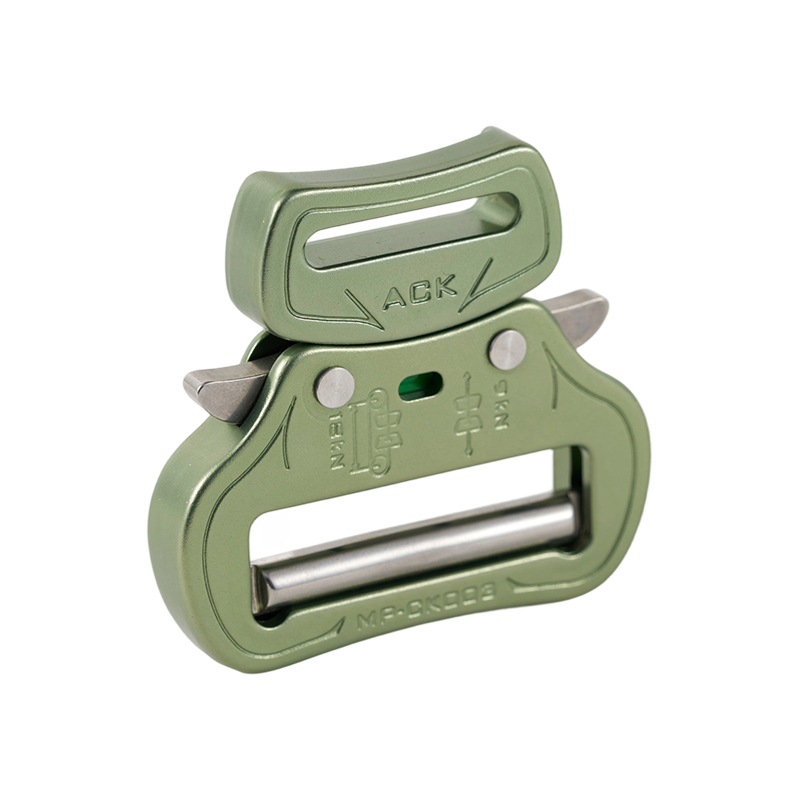
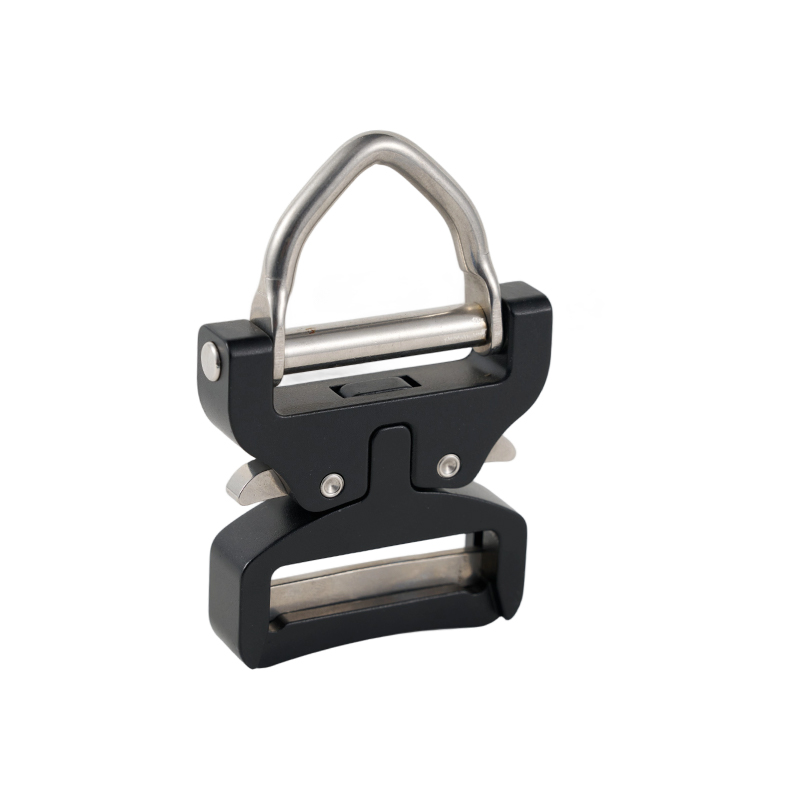
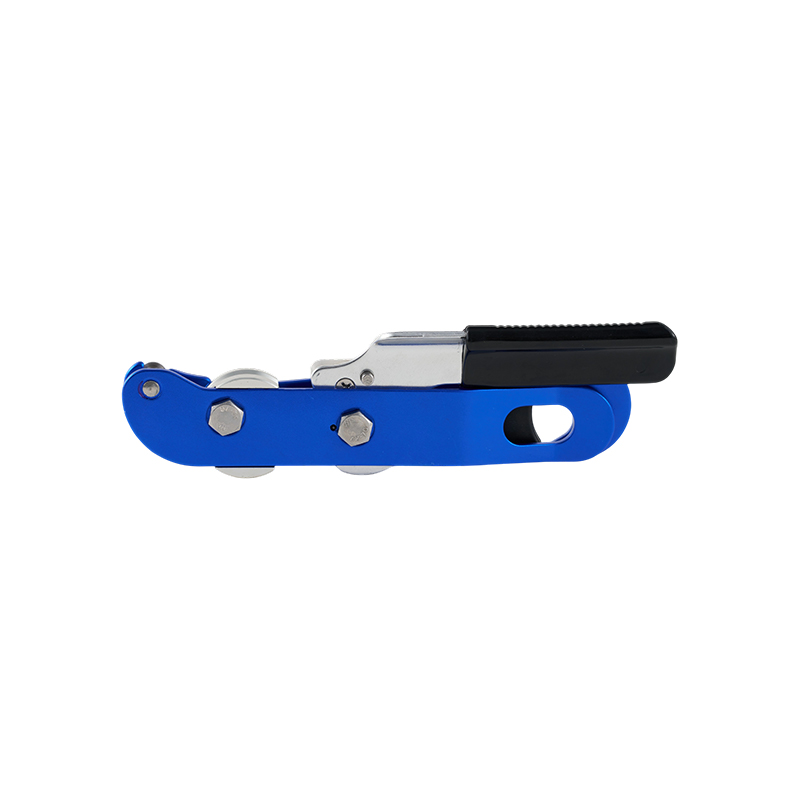
- Multifunctional Integration: It may be integrated with other equipment such as buckles and pulleys to form a combined climbing system.
- Intelligent Development: Introducing lightweight sensors to achieve load monitoring and usage status prompts, improving operational safety.
Summary of Advantages of Lightweight Multi-hole Connection Plates:
- Improved Operational Efficiency: Centralized management of multiple ropes and attachments reduces clutter and operating time.
- Reduced Load: Lightweight materials and structural design reduce carrying weight.
- Enhanced Durability: High-strength materials and surface treatment extend service life.
- Adaptable to Multiple Scenarios: Suitable for use in different environments such as outdoor, industrial, and rescue operations.
- Simplified training: Facilitates learning multi-point connections and equipment management for beginners.
Lightweight climbing equipment multi-hole connection plates are gaining increasing attention in outdoor sports, rescue operations, and industrial high-altitude work due to their advantages of being lightweight, high-strength, and having a multi-hole design.






 3rd Floor, Comprehensive Building, No. 1 Huimin Road, Nanmingshan Street, Liandu District, Lishui City, Zhejiang Province
 +86 15325130332
