

 English
 Deutsch
 عربى
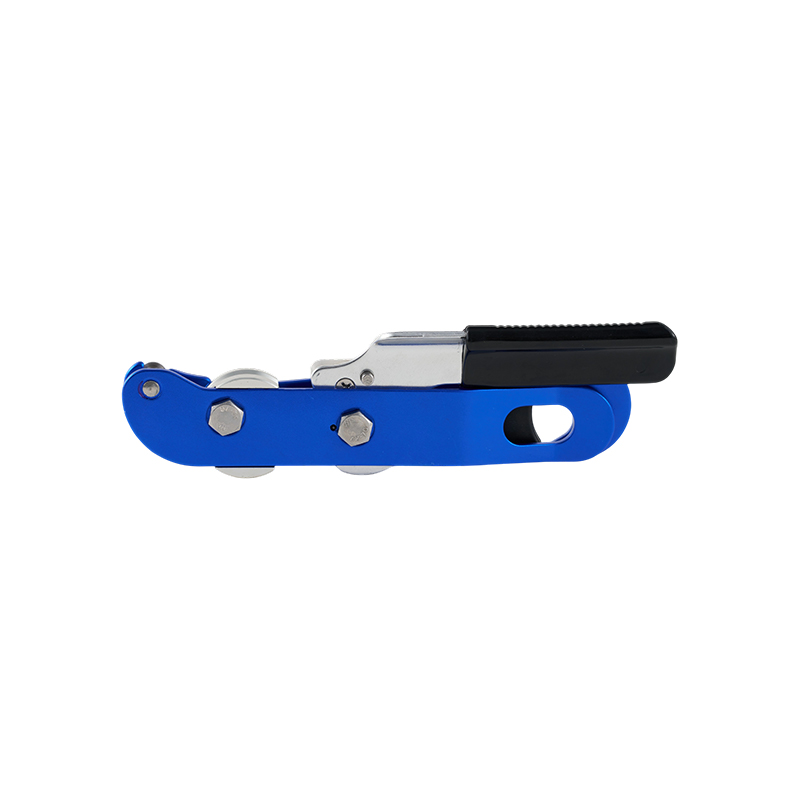
عربىAnyone who's watched a climber move up a fixed rope has probably seen a climbing ascender in action, even without knowing the name for it. This small mechanical device clamps onto a rope and allows movement in one direction only — upward — while locking in place if pulled the other way. It's a piece of equipment that shows up in rope access work, caving, tree climbing, and mountaineering, wherever someone needs a reliable way to move up a fixed line without relying on strength alone.
The Cam Mechanism Behind It
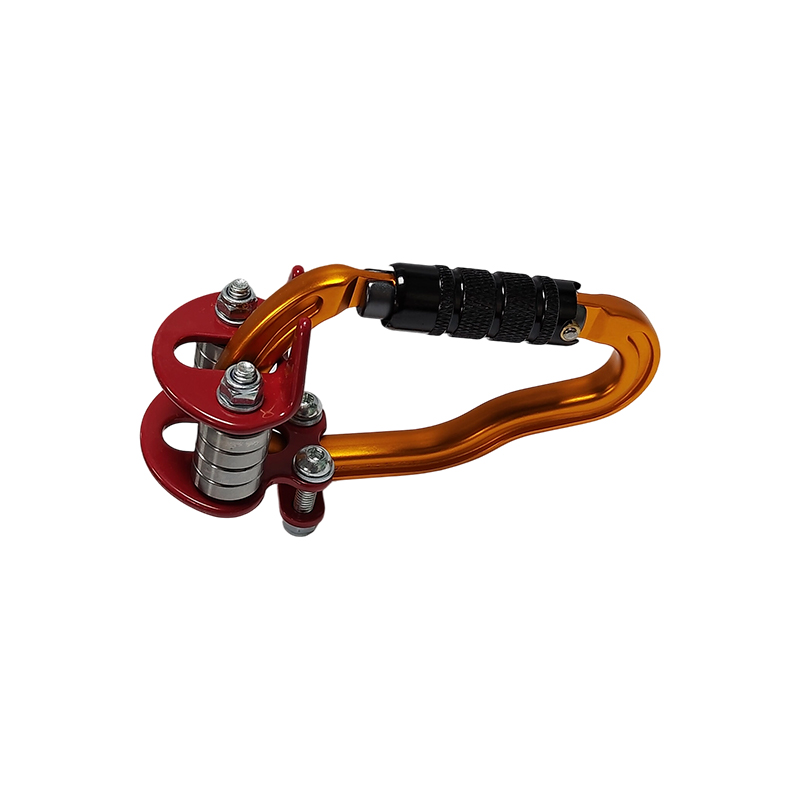
At the core of most ascenders is a spring-loaded cam with small teeth that bite into the rope's sheath. As the ascender slides up, the cam rotates freely, letting it glide along the rope. The moment weight gets applied downward, the cam pivots and locks the teeth into the rope's surface, holding position. This simple mechanism is what lets a climber transfer body weight onto the rope safely, rather than gripping the rope directly with hands or feet for an entire ascent.
Handled vs. Chest Ascenders
Not every ascender looks or functions the same way. Handled ascenders, sometimes called hand ascenders, include a grip and often a foot loop attachment point, letting a climber alternate between pulling with the arms and stepping up with the legs. Chest ascenders attach closer to the torso, keeping the climber upright and reducing strain during longer ascents. Many climbers use both together in a two-ascender system, alternating which one bears weight as they move upward in a steady rhythm.
A few things typically set these two types apart:
- Handled ascenders offer more direct control and are easier to detach quickly, which matters when transitioning between rope sections or switching techniques mid-climb.
- Chest ascenders keep the body positioned closer to the rope, which can make extended climbs feel more stable and less tiring on the arms.
Materials and Rope Compatibility
Most ascenders are built from aluminum alloy for the body, paired with a stainless steel cam for durability against repeated gripping. Rope diameter compatibility varies by model, with many ascenders designed to work across a range roughly between 8mm and 13mm. Using an ascender outside its intended rope diameter range can affect how well the cam grips, which is why manufacturers typically specify a compatible range directly on the device.
Where Ascenders Get Used Beyond Climbing Walls
While recreational climbers use ascenders for rope ascents on cliffs or towers, the device shows up just as often in professional settings. Arborists use them to move up into tree canopies for pruning work. Rope access technicians rely on them for inspecting or repairing structures like wind turbines, bridges, and building facades. Cavers use ascenders to climb out of vertical shafts where no other path exists. In each case, the underlying function stays the same — controlled, one-directional movement up a fixed rope.
Choosing Based on the Task at Hand
Picking the right climbing ascender often comes down to the type of work involved rather than personal preference alone. A rope access technician doing repetitive daily ascents might prioritize a handled ascender with a comfortable grip, while someone setting up a two-ascender caving system will think more about how the handled and chest units work together. Rope compatibility, cam design, and how the ascender pairs with other gear all factor into which model ends up being the right fit for a specific job.





 3rd Floor, Comprehensive Building, No. 1 Huimin Road, Nanmingshan Street, Liandu District, Lishui City, Zhejiang Province
 +86 15325130332
