

 English
 Deutsch
 عربى
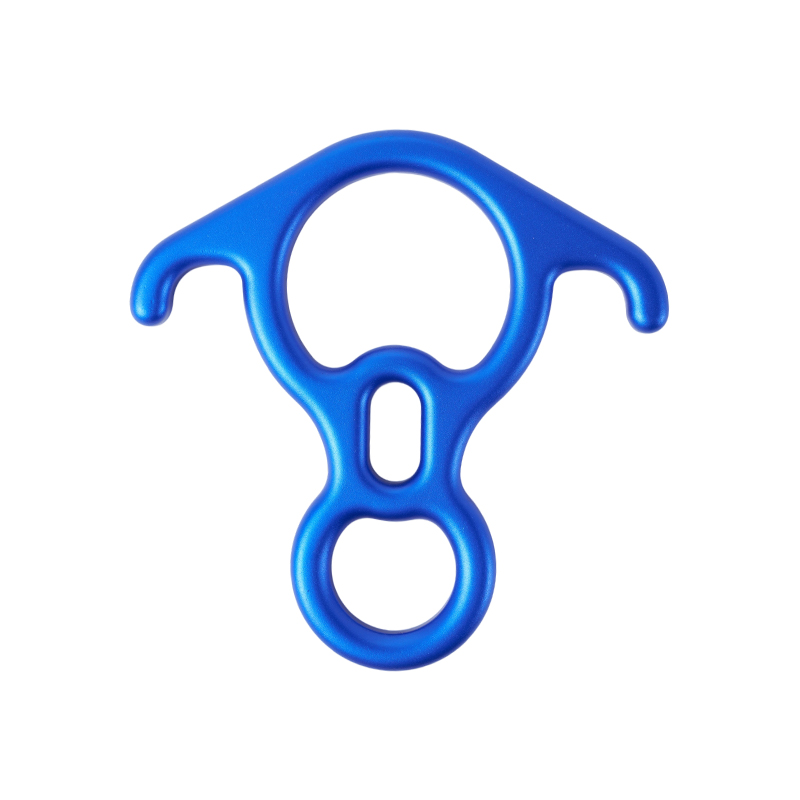
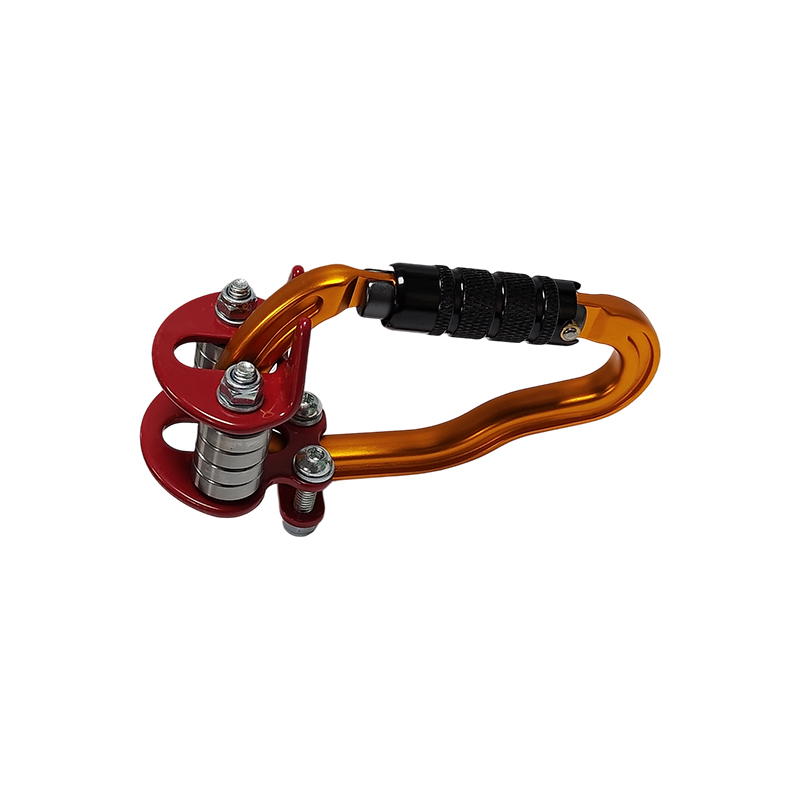
A descender is a compact mechanical device that lets a person move down a fixed rope in a controlled way. Climbers, rescue teams, and workers at height rely on it regularly. The tool creates friction against the rope or engages a braking system, which limits free fall and keeps the ride down smooth. For anyone who spends time on ropes, the descender is not an accessory but a core part of the setup.
What a Descender Is Asked to Do
The job description of a descender is straightforward on paper. It controls descent speed, reduces the strain on the operator's hands, and provides a stable path downward. In practice, those tasks involve constant small adjustments. A descender also makes it possible to combine with rope systems for single-point descent or for several people moving together. Paired with safety ropes and buffer systems, it becomes one link in a complete vertical safety chain.
Two Common Families: Rope and Auto Lock
Within the category, rope descenders and auto lock descenders cover a wide range of needs.
- Rope Descender: Manages speed mainly through friction. Operation stays flexible, which suits routine vertical descent and rope movement practice.
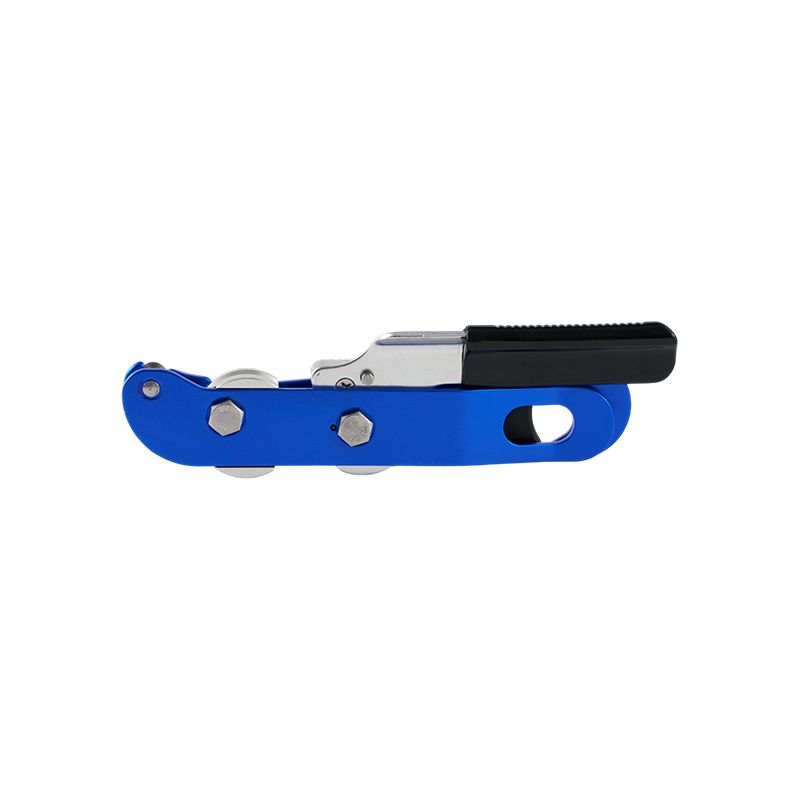
- Auto Lock Descender: Adds an automatic locking mechanism on top of friction control. When the operator lets go, the device stops the descent, which supports use in higher-risk settings and rescue work.
The two share a similar metal body and rope guide, yet their logic and safety behavior differ enough that the choice deserves thought. Matching a descender to the scenario matters more than picking whichever model looks familiar.
Materials and Build
Modern descenders are commonly built from aluminum alloy or high-strength steel. Aluminum alloy keeps weight down and is easy to machine, which helps during long outdoor sessions. Stainless steel brings corrosion resistance and strength for industrial or rescue conditions. Some designs use engineering plastics or composite metals to balance the two goals.
Structure follows function in several visible ways. The rope groove is shaped to match rope diameter specifications. Friction surfaces receive treatment to extend service life. Handles and grip points are shaped with ergonomics in mind, so a descender stays comfortable through extended use.
Matching a Descender to the Task
Selection usually starts with the rope. Diameter and material need to be compatible with the device. The operating environment comes next, since damp outdoor work and industrial sites place different demands on materials. Frequency and distance of descent affect comfort and heat buildup, and load weight has to fall within the rated capacity of the descender. In high-risk settings, models with automatic locking or redundant protection are worth considering.
Here are two practical checks before a descent:
- Rope condition: Inspect the rope for wear before clipping in.
- Guide groove and friction surface: Keep them clean so the descender feeds rope predictably.
Small Device, Real Responsibility
A descender earns its place by doing quiet, repetitive work well. It governs speed, spares the hands, and keeps the path down steady. Paying attention to how a descender is built, how it matches a rope, and where it will be used turns a simple piece of hardware into a dependable partner on the line.





 3rd Floor, Comprehensive Building, No. 1 Huimin Road, Nanmingshan Street, Liandu District, Lishui City, Zhejiang Province
 +86 15325130332

