

 English
 Deutsch
 عربى
عربىClimbing has always attracted adventurers seeking challenges that test strength, focus, and precision. In this realm, tools designed for safety and efficiency play a crucial role, and the climbing ascender is one such device. A climbing ascender is primarily used to aid vertical movement along ropes, providing secure grip and controlled progression for climbers.
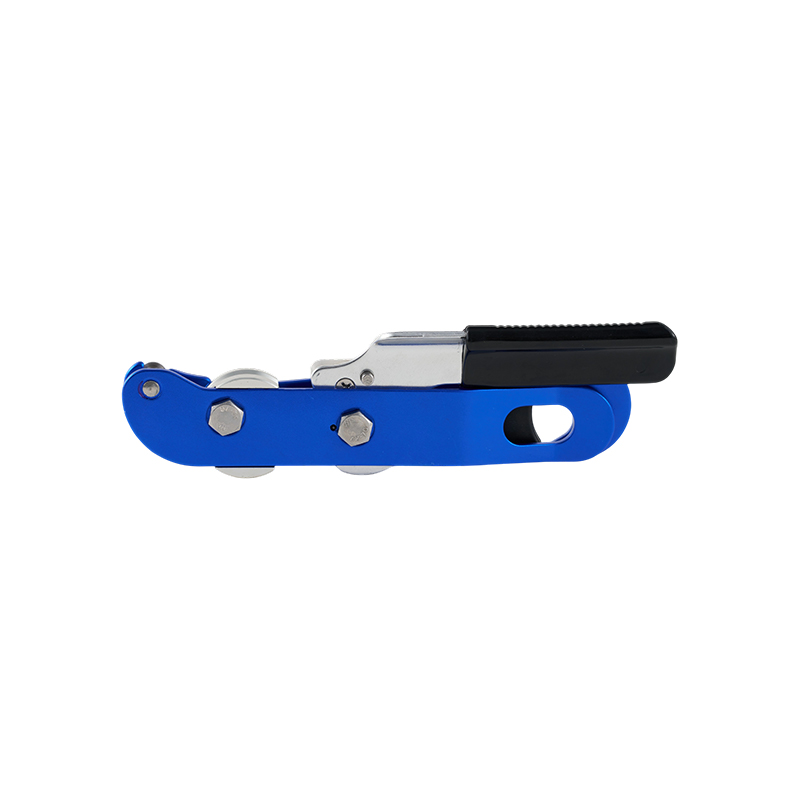
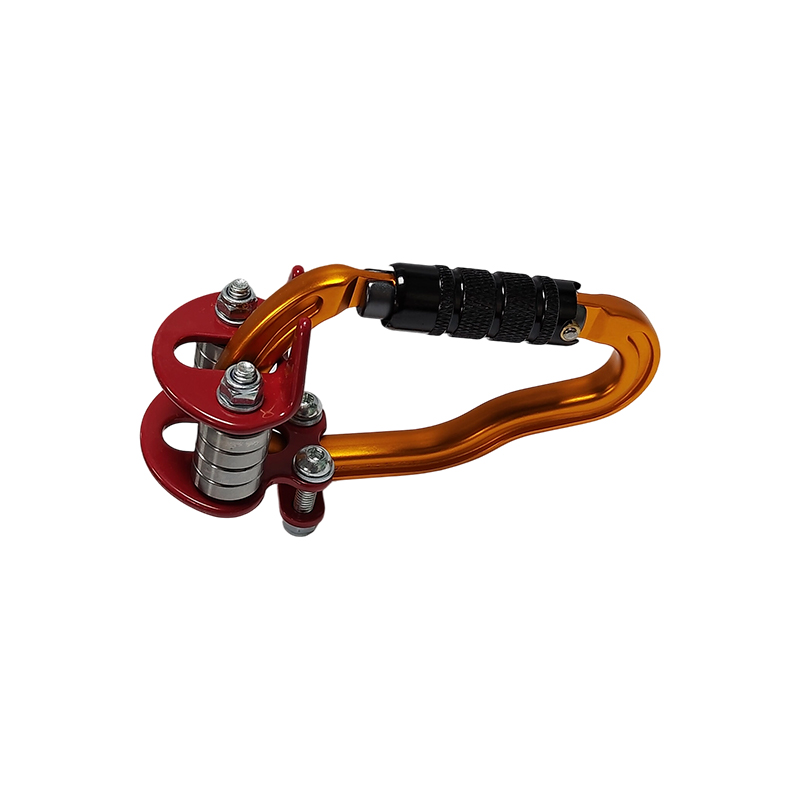
The design of a climbing ascender typically combines a cam mechanism, handle, and attachment points. The cam locks onto the rope when weight is applied, preventing backward slip, and releases when pushed upward. This feature allows climbers to advance with reduced effort while maintaining security. Handles are ergonomically designed, often with textured grips or rubberized coatings, ensuring comfort during prolonged climbs. Some models offer multiple attachment points to accommodate carabiners, slings, or other climbing equipment, providing versatility for different climbing scenarios.
Climbers appreciate the mechanical simplicity of ascenders. Even in steep or vertical terrains, an ascender allows a controlled climb without relying solely on physical strength. Using an ascender also provides confidence when handling challenging rope techniques, such as hauling gear or negotiating overhangs. This functionality has made ascenders a standard part of the climbing kit for recreational and professional climbers alike.
Material choice in climbing ascenders affects both performance and durability. Most devices use high-strength aluminum alloys, which offer a balance between weight and resilience. Steel components in high-stress areas improve durability against wear, particularly the cam teeth that contact ropes. Rope compatibility is another consideration.
Safety is central to the use of climbing ascenders. Correct placement on the rope, appropriate loading, and smooth operation are critical for reliable performance. Climbers often combine ascenders with harnesses, carabiners, and backup knots to ensure a secure system. Unlike purely friction-based methods, the cam action of an ascender provides a mechanical advantage that helps climbers conserve energy during long or technical ascents.
In addition to individual climbing, ascenders support hauling systems for equipment or rescue scenarios. The ability to ascend a rope while lifting heavy loads is made easier through the mechanical design, which distributes weight efficiently. This capability allows teams to coordinate movement in environments where direct climbing may be difficult or slow. The efficiency of a climbing ascender lies not only in vertical movement but also in how it integrates with other rope systems to provide smooth progression.
Different climbing disciplines may favor specific ascender designs. Mountaineers might choose lightweight models to reduce overall load, while industrial rope workers may prioritize extra attachment points and durability. Recreational climbers often select devices that combine comfort and ease of use, with simple cam operation and ergonomic handling. Manufacturers continue to explore small design tweaks, improving grip comfort, adjusting cam geometry, and enhancing compatibility with rope diameters.
The climbing ascender is more than a mechanical aid; it is a practical extension of a climber's ability to move efficiently and safely. By allowing controlled rope ascent, it reduces the strain associated with vertical travel and opens up new possibilities in climbing activities. For individuals navigating technical walls, tall structures, or steep terrain, the climbing ascender provides a reliable solution that balances functionality, simplicity, and safety.
Ultimately, the climbing ascender has earned its place in climbing culture through consistent reliability, mechanical effectiveness, and versatility. Its continued presence on climbs worldwide reflects its value in making vertical movement manageable, organized, and more accessible for a wide range of climbers.





 3rd Floor, Comprehensive Building, No. 1 Huimin Road, Nanmingshan Street, Liandu District, Lishui City, Zhejiang Province
 +86 15325130332
