

 English
 Deutsch
 عربى
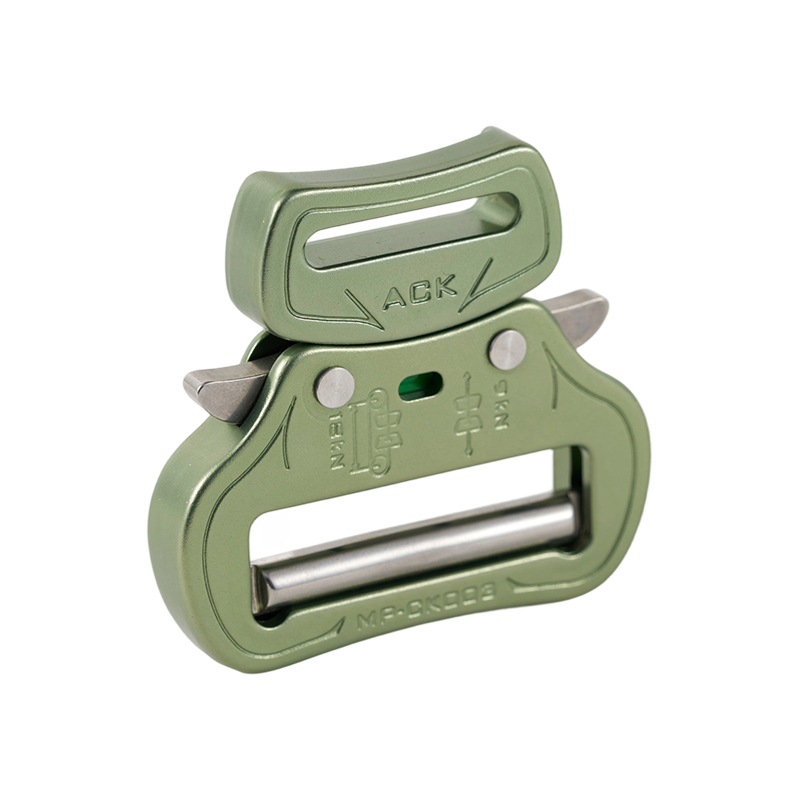
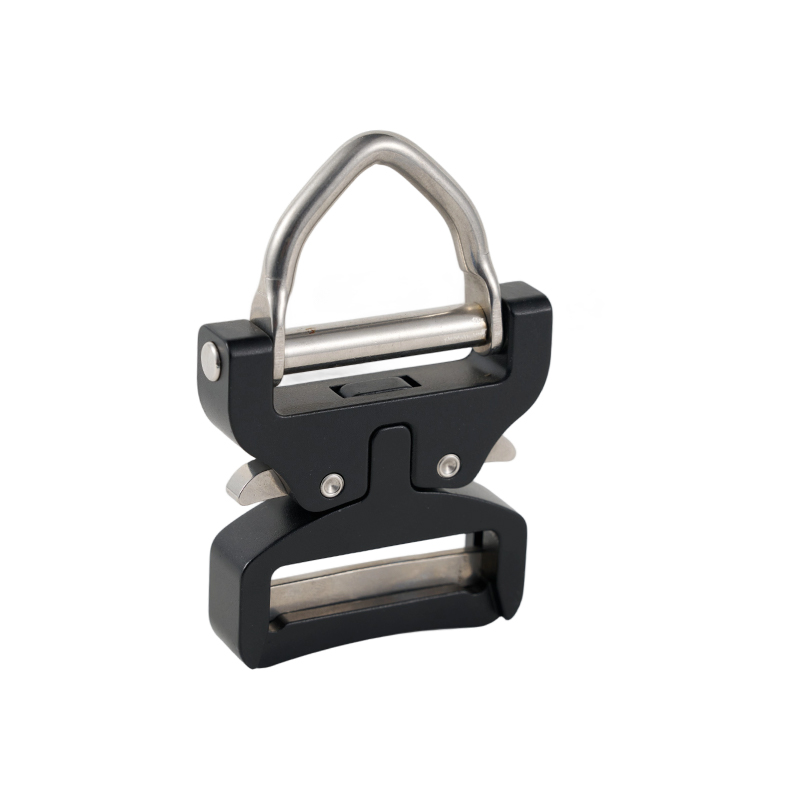
عربىIn both daily life and outdoor activities, small devices that improve organization and efficiency often go unnoticed until they prove their value. The hanging buckle is one such tool, offering a simple yet versatile solution for securing items, attaching gear, or creating functional connections. A hanging buckle typically consists of a loop, hook, or snap mechanism that allows objects to be suspended, connected, or fastened conveniently. Its design emphasizes ease of use, durability, and adaptability to a range of settings.
Hanging buckles are commonly used in backpacks, climbing gear, camping setups, and home organization systems. In backpacks, they allow users to attach water bottles, carabiners, or additional pouches securely to the main frame. Campers and outdoor enthusiasts utilize hanging buckles to suspend tents, hammocks, or cooking equipment, enabling a stable and accessible setup. At home, hanging buckles can support lightweight tools, garden accessories, or storage nets, providing functional utility without occupying floor space.
Material selection is a key factor in the performance of hanging buckles. Many are made from high-strength plastic polymers that balance weight and strength. Metal buckles, often aluminum or stainless steel, provide added resilience for heavier loads or demanding outdoor conditions. The locking mechanism varies by design, including snap hooks, sliding locks, and pivoting gates, all of which ensure items remain securely fastened under load or movement.
Ease of attachment is another feature that contributes to the popularity of hanging buckles. Most designs allow a single-handed operation, making it possible to connect or release items quickly. This feature is especially useful during outdoor activities where speed and efficiency are beneficial, such as setting up a tent in changing weather or adjusting gear during a climbing session. By providing reliable attachment points, hanging buckles enhance both convenience and safety in gear management.
Hanging buckles are often incorporated into modular systems. For example, in tactical backpacks or climbing harnesses, multiple buckles create a network of attachment points that can be customized according to the user's needs. This flexibility allows individuals to adapt the system for varying activities. Versatility is a hallmark of the hanging buckle, making it a preferred accessory for anyone who values functional organization.
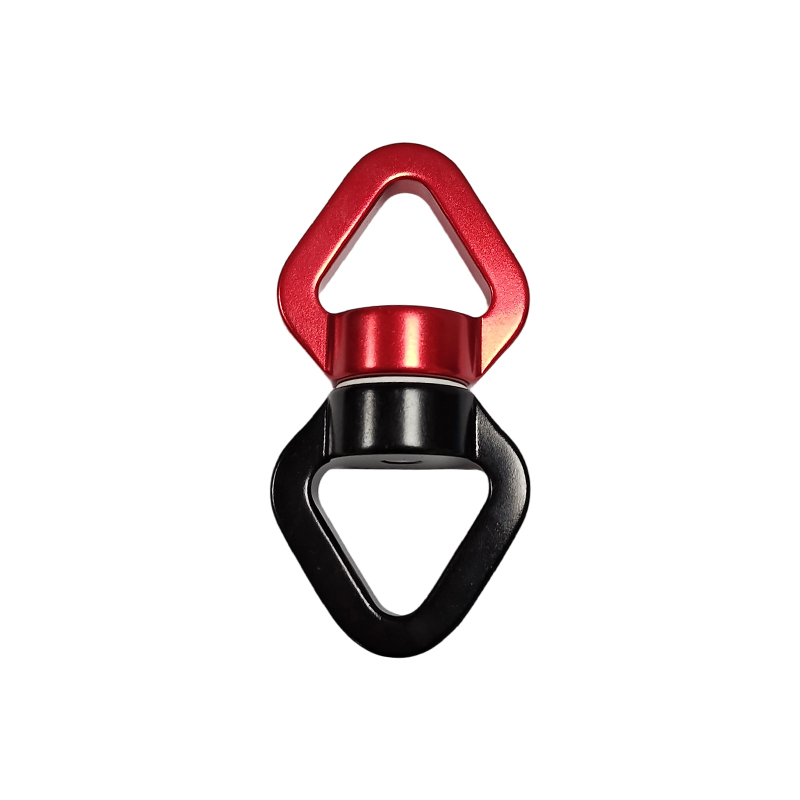
Design innovation has led to a variety of buckle types, each suited to specific applications. Some buckles feature rotatable hooks to reduce twisting, while others include built-in tension adjustment to maintain secure suspension. Compact designs emphasize portability without sacrificing strength, catering to scenarios where every gram of weight matters. This attention to design detail ensures that hanging buckles remain effective across multiple contexts, from urban commuting to high-altitude expeditions.
The hanging buckle also contributes to safety and load management. By offering secure points of attachment, it reduces the risk of dropped items or unstable gear arrangements. When used in conjunction with ropes, straps, or webbing, hanging buckles distribute load efficiently, ensuring stability for attached objects. This functionality allows users to organize equipment in a practical manner while maintaining accessibility and operational efficiency.
The hanging buckle offers a combination of reliability, simplicity, and adaptability. Its role in connecting, suspending, and organizing items highlights the importance of small tools in supporting everyday tasks. The hanging buckle demonstrates that even modest devices can have significant impact, enhancing efficiency and organization in multiple environments. For individuals seeking a dependable and versatile solution, the hanging buckle provides a practical answer that simplifies tasks, supports equipment handling, and enables smoother operations across diverse situations.






 3rd Floor, Comprehensive Building, No. 1 Huimin Road, Nanmingshan Street, Liandu District, Lishui City, Zhejiang Province
 +86 15325130332
