

 English
 Deutsch
 عربى
عربىDescender Equipment Plays an Important Role in Rope Systems
Descender is a mechanical device designed to control downward movement along a rope. It is commonly used in rope access work, climbing activities, rescue operations, industrial inspection, and other vertical applications where controlled descent is required.
The main function of a descender is to manage friction between the rope and the device. By adjusting the rope movement, users can control descent speed and maintain a stable position during vertical operations. Different descender designs are developed for various rope systems, working conditions, and user requirements.
Modern descender products combine mechanical design, material engineering, and precise manufacturing processes. Manufacturers focus on device structure, rope compatibility, weight control, and operating performance when developing different models.
Structure Design Determines Descender Function
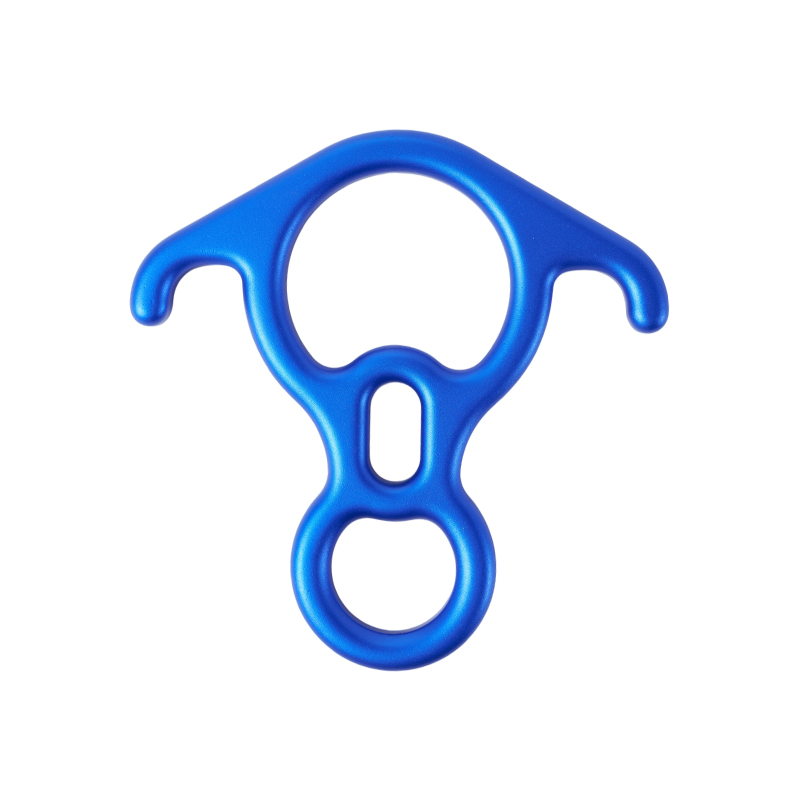
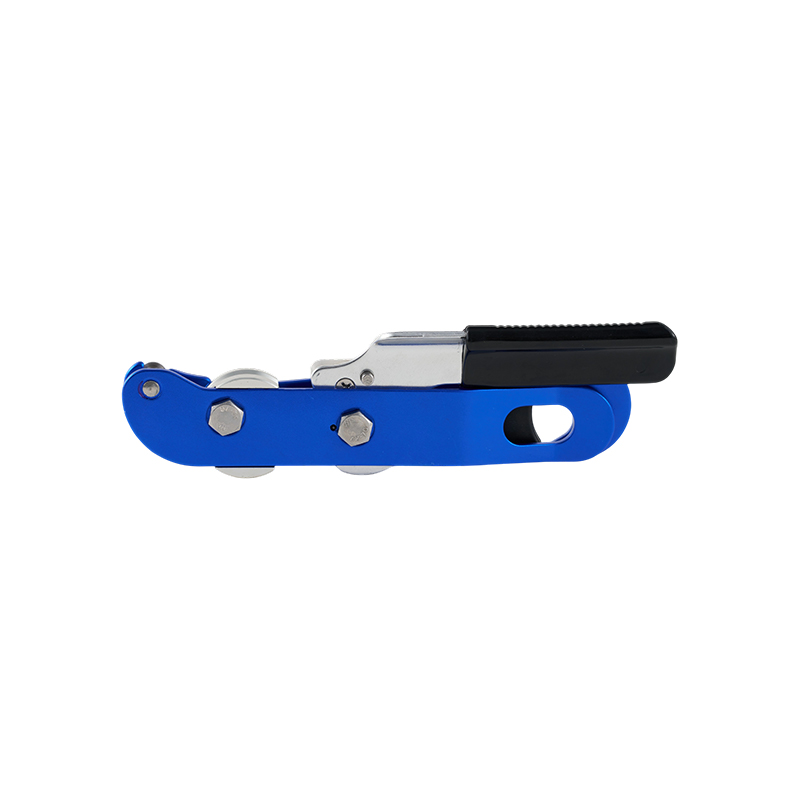
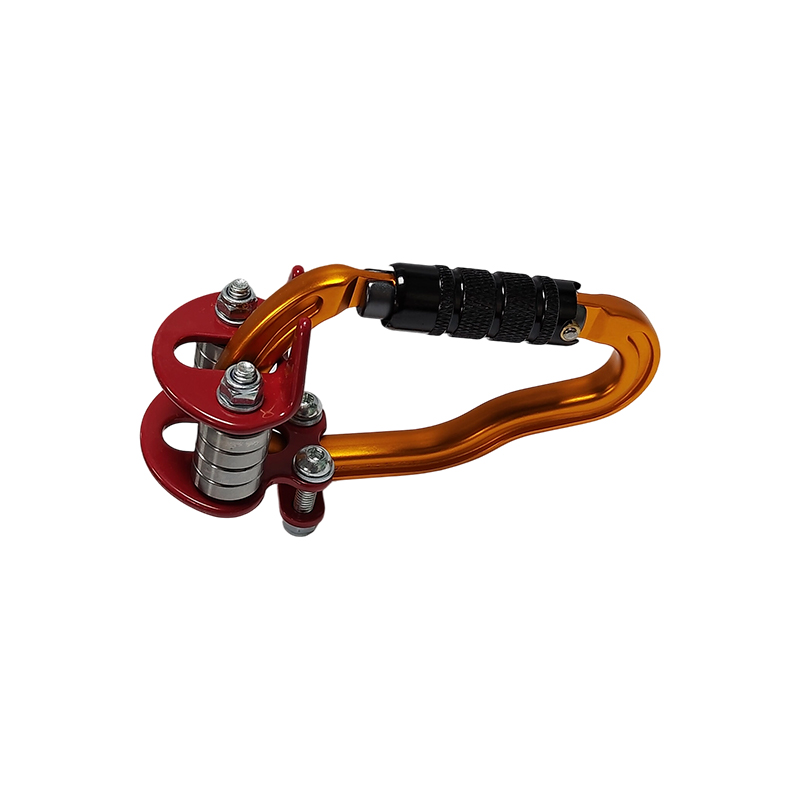
A Descender usually includes several key components, such as a frame, friction surfaces, connection points, and control mechanisms. Each part contributes to how the device interacts with the rope.
The friction system is one of the most important design elements. When the rope passes through the device, friction helps control movement and allows users to adjust descent speed. Different structures create different levels of rope control depending on the application.
Some descender models use compact designs for portability, while others are developed for industrial rope access tasks that require stronger structures. The shape, size, and internal components are adjusted according to specific usage requirements.
Connection points are also carefully designed because they link the descender with harness systems or other equipment. Accurate manufacturing helps maintain proper alignment between components during operation.
Material Selection Influences Descender Performance
Materials play an important role in descender production. Aluminum alloys are commonly used because they provide a combination of strength and lightweight characteristics. Steel components may also be used in areas that require additional structural support.
Manufacturers consider material properties when designing different parts of a descender. The frame requires sufficient strength, while friction components need suitable surface characteristics to interact effectively with ropes.
Manufacturing processes may include CNC machining, forging, casting, and surface treatment. These processes help create accurate shapes and consistent component dimensions.
The choice of material and production method affects the final weight, structure, and application range of the descender. Different industries may select different designs according to their operational requirements.
Customization Supports Different Rope System Needs
Customization is an important service in descender manufacturing. Professional users and equipment suppliers may require specific designs based on application conditions.
Customized options can include structural adjustments, material selection, surface finishes, and product configurations. OEM and ODM services allow businesses to cooperate with manufacturers during product development.
A customized Descender solution helps companies select equipment that matches their specific operational requirements. Manufacturers need to understand application details to create suitable product designs.
Descender Connects Mechanical Design With Rope Technology
The development of Descender products combines mechanical engineering, material science, and practical rope system applications. From structural design to manufacturing processes, every detail influences the final equipment performance.
As rope access and vertical operation methods continue to be used in different industries, descender devices remain an important component in controlled rope movement systems. Their combination of compact structure, mechanical control, and flexible applications allows them to support various professional activities.





 3rd Floor, Comprehensive Building, No. 1 Huimin Road, Nanmingshan Street, Liandu District, Lishui City, Zhejiang Province
 +86 15325130332
