

 English
 Deutsch
 عربى
Rope climbing equipment relies on controlled movement, secure rope engagement and consistent mechanical performance. Among the devices used in vertical rope systems, the Chest Ascender has a distinct role. It connects to a climber's chest harness and helps move the rope upward during ascending operations. Its compact structure allows it to work alongside other climbing equipment without taking up excessive space.
How Does a Chest Ascender Work?
A chest ascender is designed to move along a rope in one direction while resisting downward movement under load. It generally uses a cam mechanism that engages the rope when force is applied.
During rope ascent, the device is attached to the chest harness. As the climber raises the body, the ascender moves upward along the rope. When body weight is transferred to the device, the internal cam grips the rope and helps prevent downward sliding.
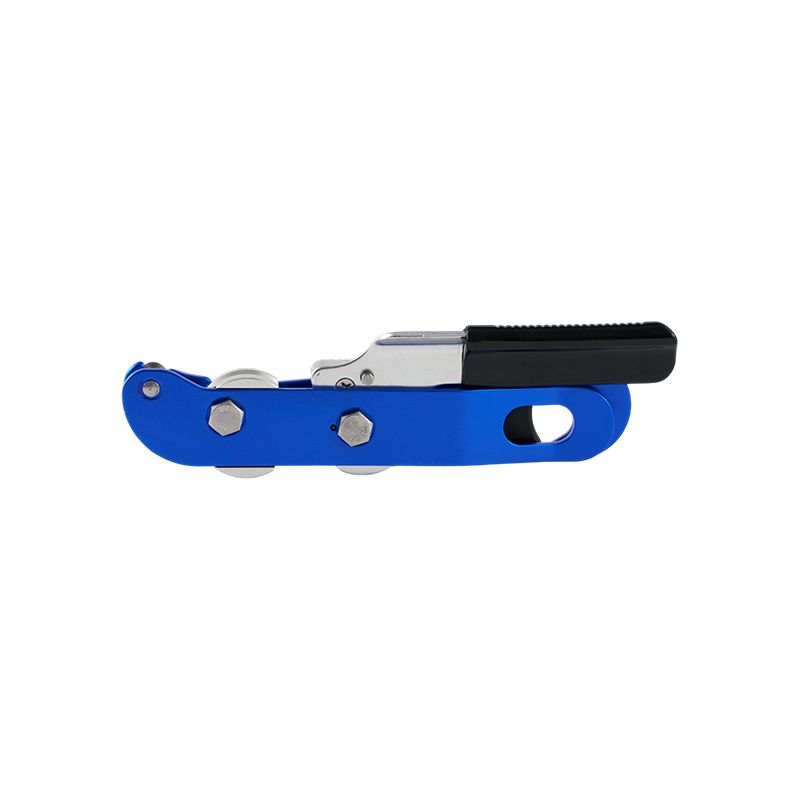
Its working structure commonly includes:
- Main body: Provides structural support for the internal components.
- Cam mechanism: Controls rope engagement and directional movement.
- Cam spring: Helps position the cam during rope interaction.
- Attachment opening: Connects the device to the harness system.
- Rope channel: Guides the rope through the working area.
The dimensions and arrangement of these parts need to work together. Poor alignment may affect rope movement, while an unsuitable cam profile can change the way the device engages different rope diameters.
Material Selection Shapes Product Construction
Material selection is closely related to the mechanical requirements of climbing equipment. A Chest Ascender needs a body that can withstand repeated loading while keeping its overall structure manageable.
Aluminum alloy is commonly used for the main body because it offers a combination of relatively low weight and mechanical strength. Steel may be used for selected internal components, depending on the design and intended application.
Manufacturers generally consider several factors during material selection:
- Mechanical strength: The body and connecting areas need to support the intended loading conditions.
- Weight distribution: A compact and lightweight structure can make equipment integration easier.
- Surface characteristics: Contact surfaces need suitable finishing to support consistent component movement.
- Machining properties: Material characteristics influence cutting, drilling and forming processes.
The choice of material also affects production arrangements. Different metals require different machining parameters, tooling arrangements and finishing methods.
Where Is a Chest Ascender Used?
Rope ascending equipment serves different professional applications, and the configuration of the equipment can vary according to the working environment.
A Chest Ascender is commonly incorporated into:
- Industrial rope access: Supports vertical movement during work on elevated structures.
- Technical climbing: Forms part of an ascending system used by trained climbing personnel.
- Rescue operations: Can be included in rope-based systems for controlled vertical access.
- Caving activities: Supports upward rope movement in underground environments.
- Height-access work: Works alongside harnesses, foot ascenders and other rope equipment.
For equipment distributors, understanding these application differences helps when organizing product ranges and communicating with customers. Rope diameter compatibility, attachment configuration and intended operating conditions are relevant details during product evaluation.
Manufacturing Details Matter in Rope Equipment Procurement
A Chest Ascender may appear to be a relatively small mechanical device, but its performance depends on the coordination of several components. Body geometry, cam design, material properties and assembly accuracy all contribute to how the finished product interacts with a climbing rope.
For importers, distributors and professional equipment brands, evaluating these details provides a clearer basis for supplier selection. A manufacturer that can explain its machining procedures, component specifications and inspection arrangements makes product comparison more straightforward.






 3rd Floor, Comprehensive Building, No. 1 Huimin Road, Nanmingshan Street, Liandu District, Lishui City, Zhejiang Province
 +86 15325130332

