

 English
 Deutsch
 عربى
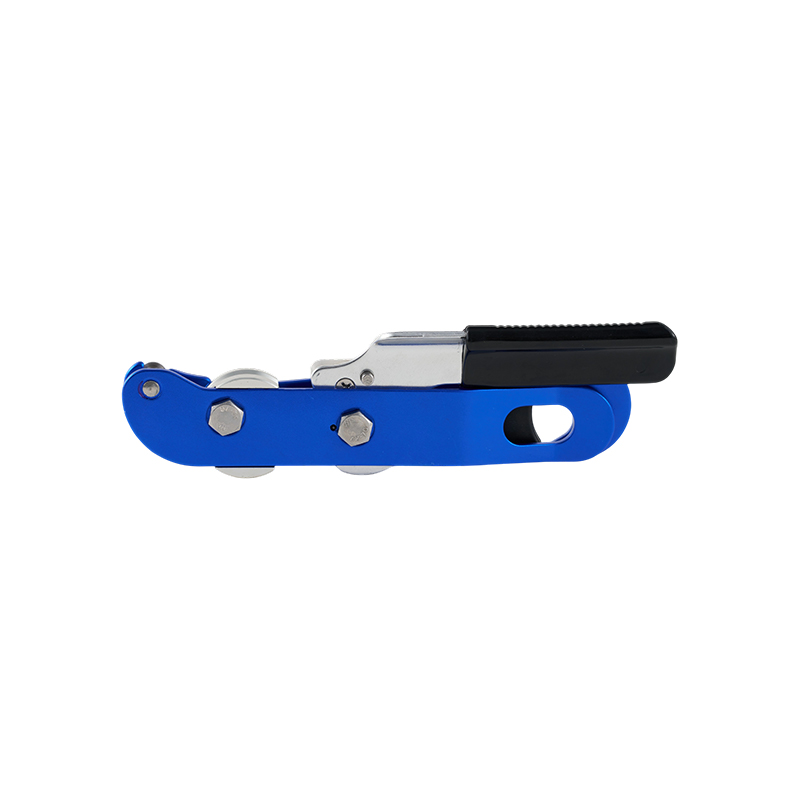
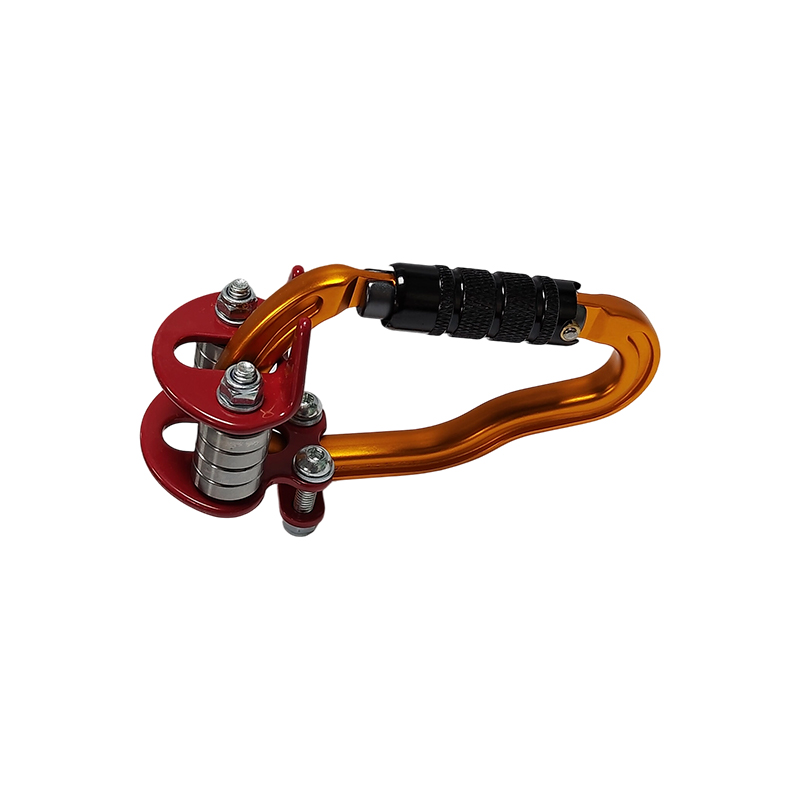
عربىChest ascenders are specialized climbing devices designed to assist climbers in ascending ropes efficiently. These devices are worn on the chest and work in combination with foot loops or harnesses to enable upward movement with reduced physical strain. They play an important role in climbing, caving, rescue operations, and industrial rope access, offering a hands-free solution that allows climbers to maintain balance and control during vertical ascents. The mechanics of chest ascenders rely on camming action and friction management to grip the rope securely while allowing smooth upward travel.
The production of chest ascenders requires precision engineering and careful material selection. Manufacturers commonly use lightweight metals such as aluminum for the main body to combine strength and portability. Stainless steel is often incorporated in cam components to handle friction against ropes without excessive wear. Modern production techniques include CNC machining and anodizing processes that ensure smooth surfaces and consistent dimensions. Ergonomic design considerations are central to chest ascender development, with devices shaped to conform comfortably to the chest while allowing easy attachment and adjustment. Quality control measures verify that each device meets stringent safety and performance standards, as minor variations in cam alignment or body dimensions can affect grip and operation.
Chest ascenders come in a variety of designs tailored to specific applications. In recreational climbing, compact and lightweight models are preferred for their ease of transport and convenience during long climbs. For industrial rope access or rescue work, devices may be larger and capable of handling higher loads or extended periods of use. Some chest ascenders are compatible with a range of rope diameters, offering flexibility for climbers who encounter different ropes in various environments. The cam mechanism is a critical component, designed to securely grip the rope without slipping while allowing smooth movement when the climber ascends. Many designs also include attachment points for additional safety equipment or for connecting multiple devices in a rope system.
Using a chest ascender requires familiarity with rope techniques and body positioning. Climbers typically combine the chest ascender with foot loops or ascender devices attached to the harness to create a coordinated system for climbing. The device allows the climber to move upward efficiently while maintaining hands free to manage other tasks or balance. In caving and climbing scenarios, chest ascenders facilitate continuous progress on vertical sections where traditional climbing techniques may be less efficient. In industrial settings, they enable workers to ascend safely on vertical ropes during inspections, repairs, or construction tasks. The device’s ability to secure the climber while allowing controlled upward movement enhances overall safety and efficiency.
Design innovation in chest ascenders often focuses on ergonomic comfort, weight reduction, and rope compatibility. Device shapes are refined to minimize interference with movement while maximizing stability. The cam system is engineered to grip ropes reliably without causing unnecessary wear, accommodating various rope diameters commonly used in climbing and industrial settings. Some devices feature multiple attachment points for securing additional safety equipment or for integrating into complex rope systems. These design considerations reflect a careful balance between user comfort, operational efficiency, and mechanical performance, ensuring that chest ascenders meet the demands of both recreational and professional environments.
Chest ascenders are also part of coordinated climbing systems. Users often employ them in combination with other ascenders, harnesses, and anchoring systems to create efficient, safe vertical mobility setups. Proper use emphasizes correct rope selection, body alignment, and technique to prevent slippage and maximize efficiency. Training programs for climbers and industrial workers focus on these aspects, helping users understand how chest ascenders interact with other equipment to achieve reliable ascents.






 3rd Floor, Comprehensive Building, No. 1 Huimin Road, Nanmingshan Street, Liandu District, Lishui City, Zhejiang Province
 +86 15325130332
