

 English
 Deutsch
 عربى
عربىA climbing ascender is one of those pieces of equipment that quietly does a lot of work. It does not attract the same attention as a shiny carabiner or a new harness, yet it plays a central role in many rope-based tasks. For anyone who spends time on vertical or angled terrain, understanding what a climbing ascender does—and how it fits into a broader system—can make daily operations smoother and more predictable.
What a Climbing Ascender Does
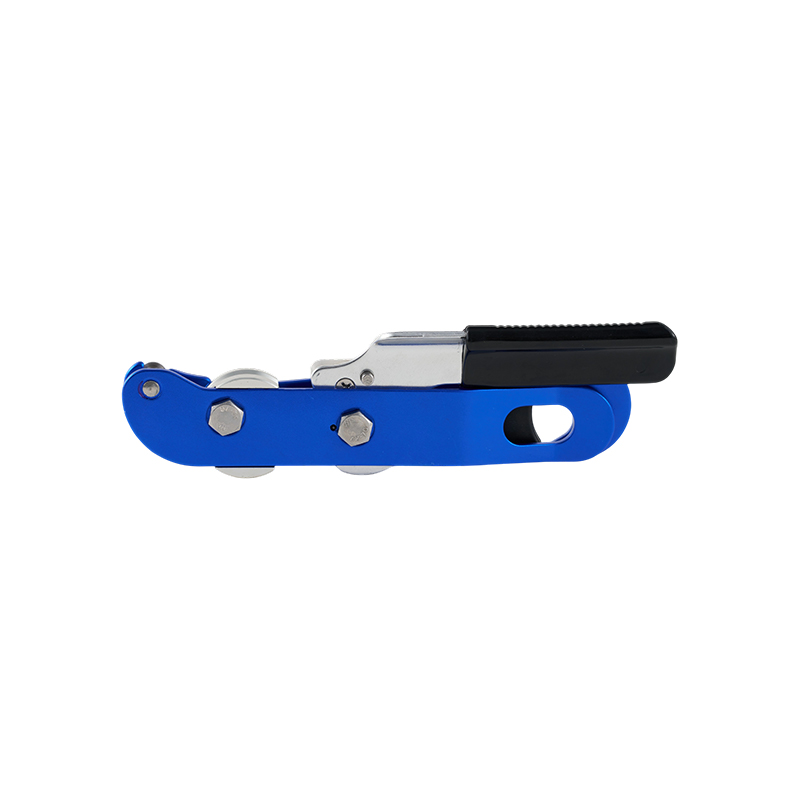
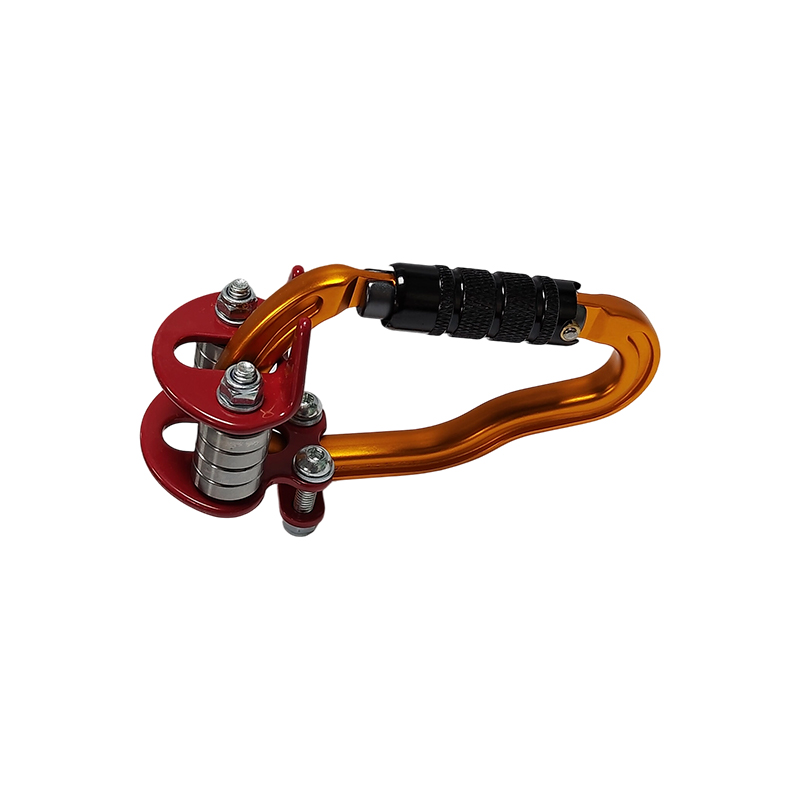
At its core, a climbing ascender is a mechanical device that grips a rope when weight is applied in one direction and slides freely when moved in the other. This ratchet-like behavior allows a user to move upward along a fixed line without constantly tying and untying knots. Many designs include a cam, a spring, and a handle or attachment point. The cam presses against the rope when loaded, creating friction that holds position. When the load is released, the device can be pushed along the rope with relative ease.
This simple principle supports a range of activities. A climber may use a climbing ascender to move up a fixed rope during a self-rescue scenario. A rope access technician may pair two ascenders with a harness and foot loops to climb a structure. In both cases, the device turns a vertical line into a manageable path.
Why Rope Professionals Pay Attention
For people who work at height, efficiency and control matter. A climbing ascender can reduce the number of movements required to gain elevation. Instead of re-rigging a system after every few meters, a worker can slide the device upward and continue. This rhythm—grip, step, slide, repeat—becomes a familiar pattern. It also allows the user to pause and rest without losing progress, because the device holds position on the rope.
Beyond climbing, a climbing ascender can assist in hauling light loads or managing tension in a rope system. It is not a replacement for a belay device or a descender, but it can complement them when used with proper technique. The key is to treat the ascender as one part of a larger setup, not as a standalone solution.
Designs and Variations
Not all climbing ascenders look the same. Some are handled, with a grip that makes one-handed operation easier. Others are compact and attach directly to a harness or a lanyard. Some are designed for a specific rope diameter, while others accommodate a range of sizes. Materials vary too—aluminum alloys keep weight down, while steel components may be chosen for durability in harsh conditions.
The choice often depends on the task. A route setter who needs to move quickly on a single line may prefer a lightweight handled ascender. A rescue team member may favor a model with a wider cam and a more robust body. There is no single design that suits every situation, which is why many rope users keep more than one type in their kit.
Using a Climbing Ascender Well
Skill matters as much as the device. A climbing ascender works reliably when the rope is clean, the cam is free of debris, and the user understands how to load and unload it. Poor technique—such as gripping the cam while weighted or allowing the rope to run at an odd angle—can reduce effectiveness. Regular practice in a controlled setting helps build the muscle memory needed for smooth operation.
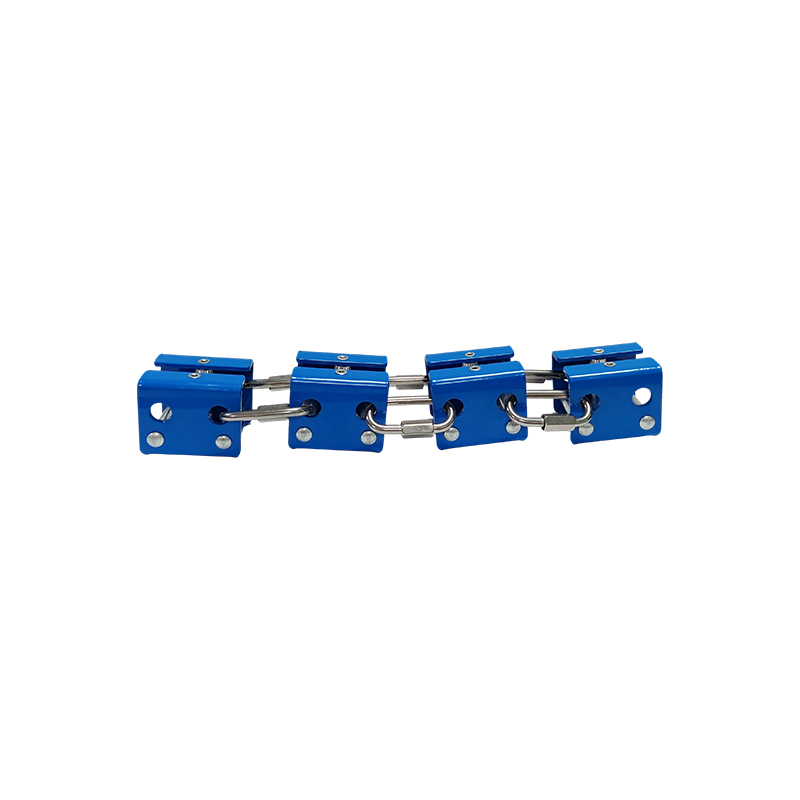
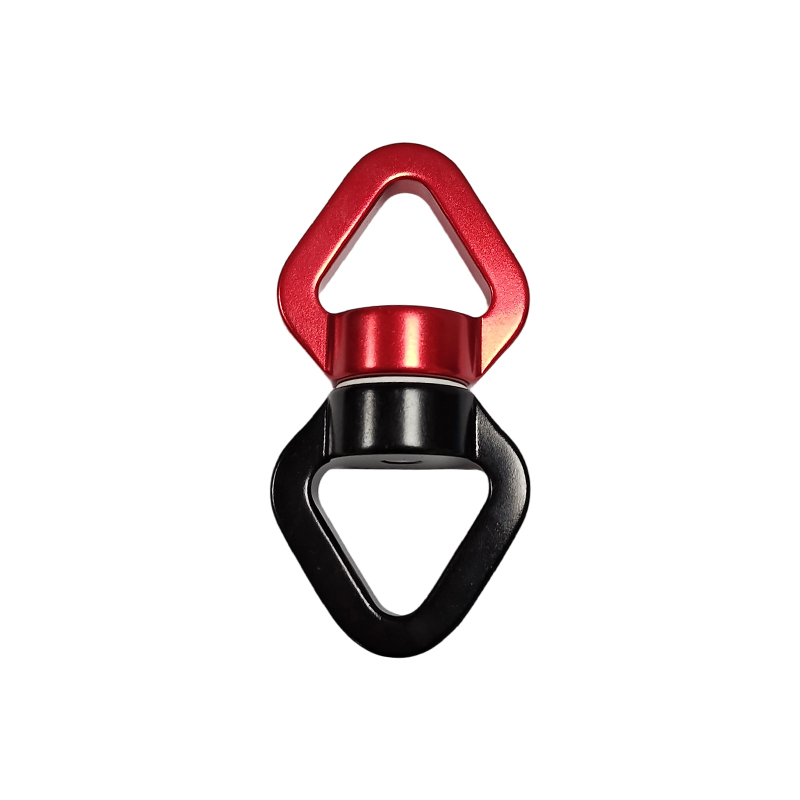
It also helps to think about the whole system. A climbing ascender is often used with a backup device, a harness, and connectors. Each part affects the others. A well-organized setup allows the user to move with confidence, while a rushed or mismatched setup creates unnecessary friction—both literal and mental.





 3rd Floor, Comprehensive Building, No. 1 Huimin Road, Nanmingshan Street, Liandu District, Lishui City, Zhejiang Province
 +86 15325130332
