

 English
 Deutsch
 عربى
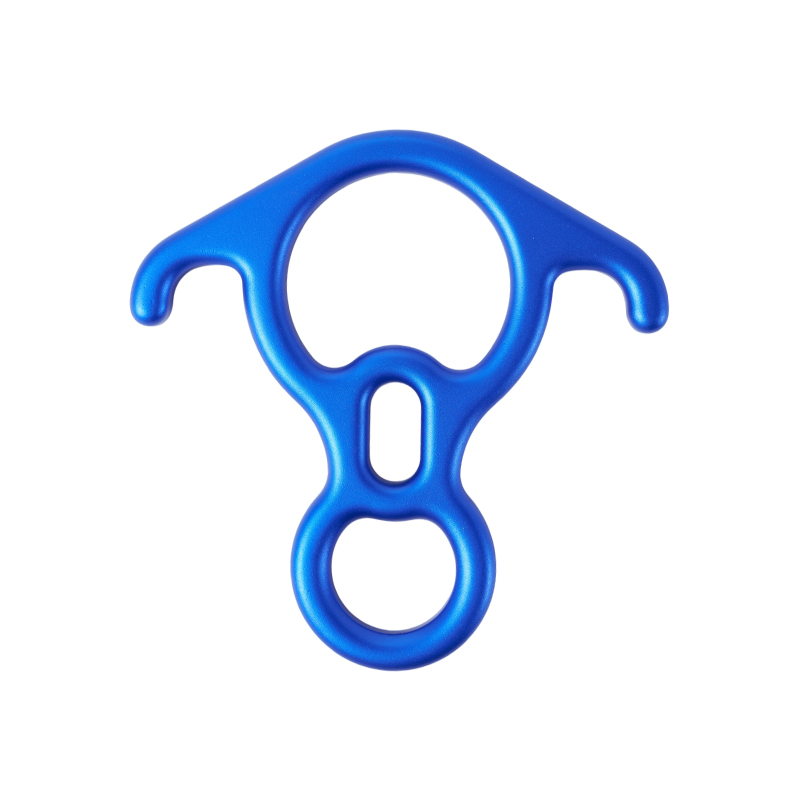
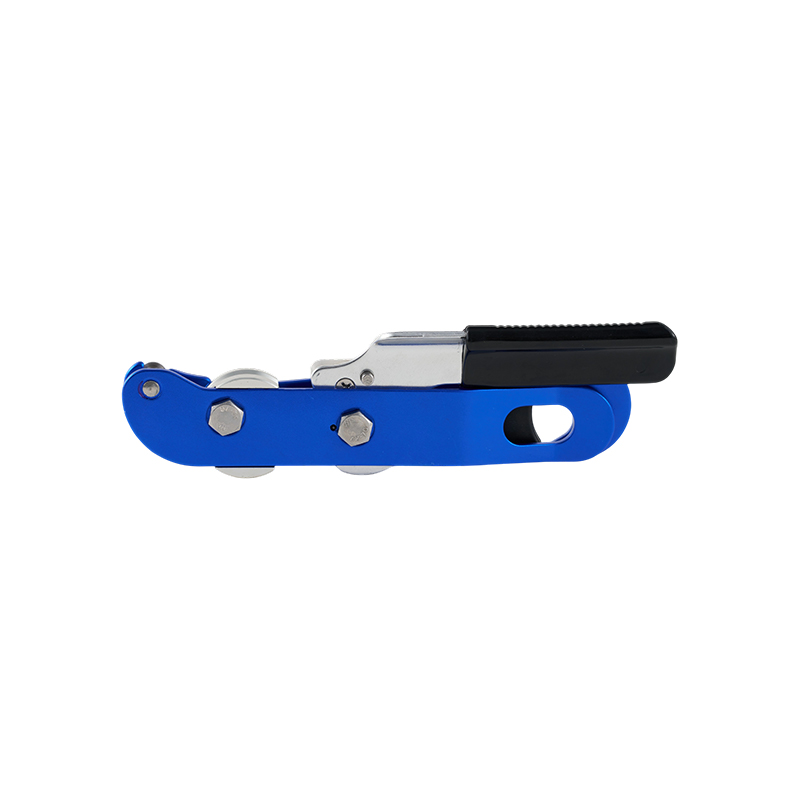
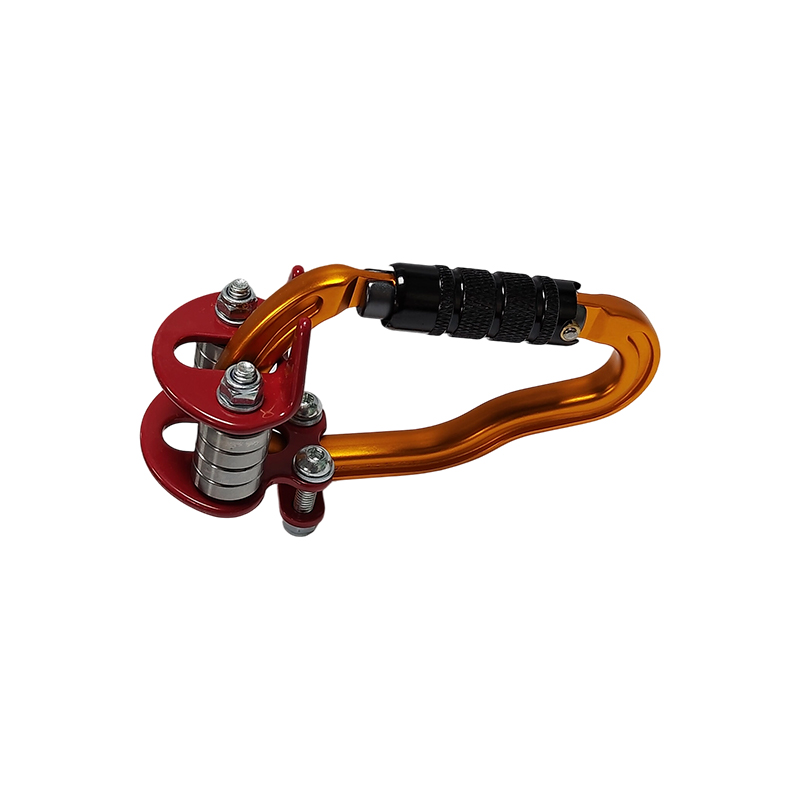
عربىA rope descender is a compact device that lets people move down a fixed rope in a controlled way. Climbers, rescue teams, and workers in high places rely on it every day. The tool creates friction against the rope so the user can slow, stop, or adjust speed with simple hand movements. It turns a vertical drop into a manageable descent.
How Friction Creates Control
The physics behind the device is straightforward. Rope fibers rub against metal surfaces inside the frame. That rubbing produces heat and resistance. The amount of resistance depends on the angle the rope takes through the device and the force the user applies to the handle. A slight change in hand position can shift the descent from a gentle glide to a complete stop. Practice helps users learn the exact pressure needed for different rope diameters and body weights.
Some designs include an auto-lock feature. When the handle is released, the device grips the rope tightly enough to hold the user’s weight. This built-in safety step gives an extra moment to adjust position or rest. Other models stay free-running until the user deliberately applies the brake. Both styles have loyal users; the choice often comes down to personal preference and the type of terrain.
Selecting a Model That Fits Your Needs
Rope diameter is one of the first points to check. A descender built for thin climbing ropes may not handle thicker industrial lines smoothly. Weight capacity is another practical detail. Devices list a working load range so users can match the tool to their body weight plus any gear they carry. Handle shape and overall size also affect comfort during long descents. A compact unit that sits close to the harness feels less bulky on multi-pitch routes.
Testing the device on a short, safe pitch helps many people decide. The rope should feed evenly, the handle should respond without excessive force, and the lock-off should feel solid. Small differences in frame geometry can change the whole experience, so trying a few options often clarifies what feels natural.
Practical Habits That Support Smooth Descents
Before leaving the ground, users check that the rope sits correctly in the grooves and that the device is fully closed or locked. A quick visual scan confirms no twists or loops that could bind. During the descent, keeping the brake hand ready and the body centered over the feet maintains balance. Looking ahead rather than straight down helps plan the next few meters of rope. When the ground approaches, slowing gradually prevents a sudden stop.
After use, a simple wipe-down removes dirt and grit that can increase wear. Storing the device in a dry bag protects the metal surfaces. These small habits keep the tool ready for the next outing.
A rope descender remains a quiet but essential piece of gear for anyone who works or plays above the ground. Its simple friction system, reliable materials, and adaptable designs continue to support safe movement in vertical environments. Whether the goal is a weekend climb, a technical rescue, or routine inspection work, the device turns height into a controlled path rather than an obstacle.





 3rd Floor, Comprehensive Building, No. 1 Huimin Road, Nanmingshan Street, Liandu District, Lishui City, Zhejiang Province
 +86 15325130332
