

 English
 Deutsch
 عربى
عربىHow Descenders Support Controlled Movement
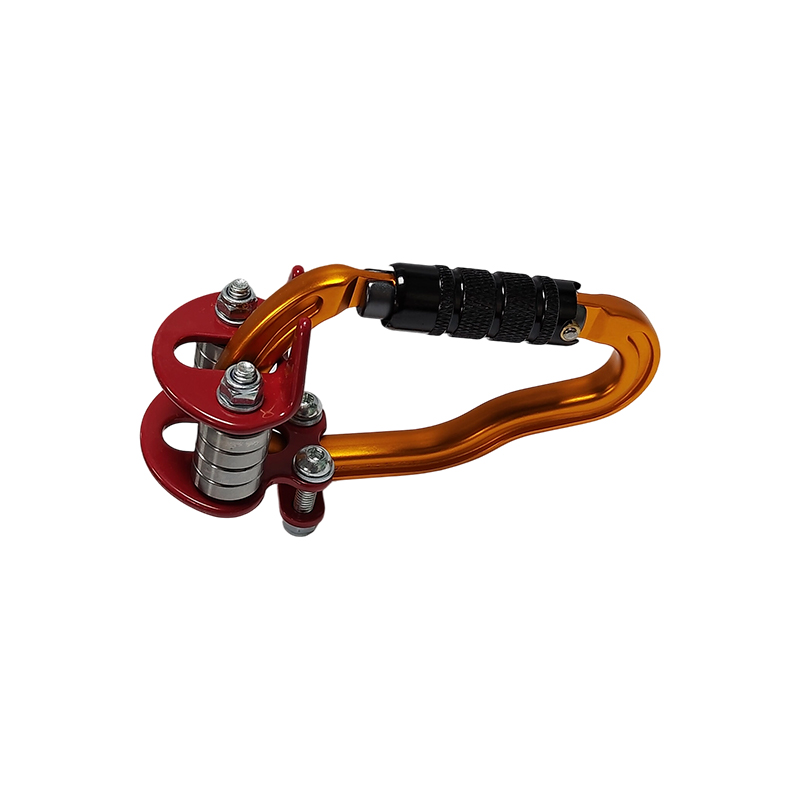
Descenders attach to ropes and provide friction to regulate speed during lowering. Users guide their position by adjusting hand pressure or device settings, which helps maintain a consistent pace from higher to lower points. The design focuses on balancing grip and release for smooth operation during vertical travel.
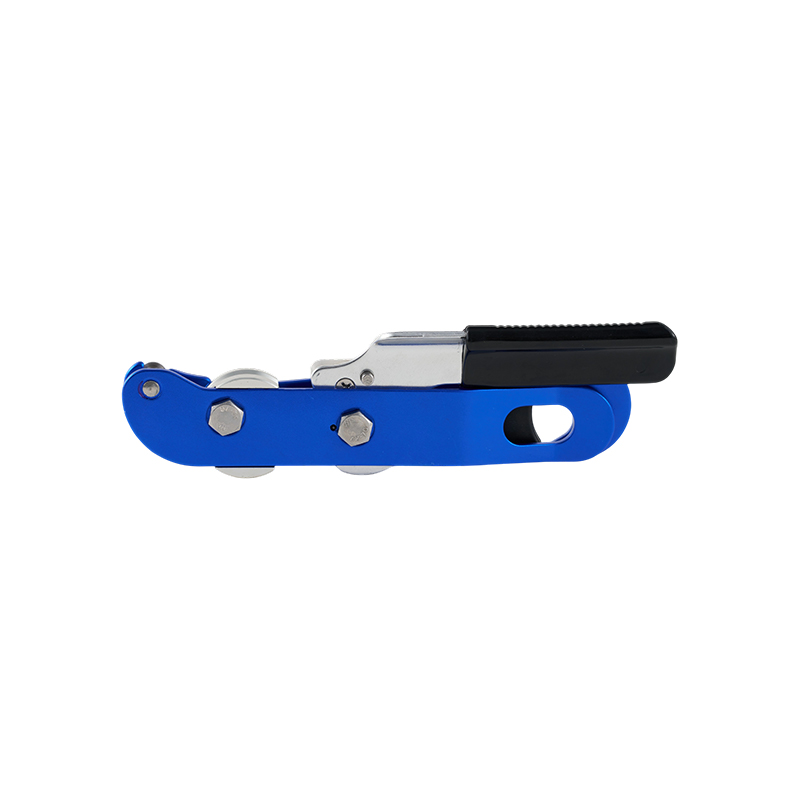
In many setups, the device connects between the harness and the rope, creating a link that responds to body weight and user input. This arrangement supports movement in situations where direct climbing or stepping is not feasible. The components often include handles or levers that allow fine adjustments during the process.
Common Applications in Technical Work
Workers in elevated positions, such as those handling structures or utility lines, incorporate descenders into their access methods. The devices enable safe transition from platforms or anchors down to work locations. Teams coordinate rope setups that include descenders alongside other hardware for secure positioning.
Industrial rope access relies on these tools for tasks along tall surfaces. The descenders help manage repeated ascents and descents during shifts, supporting progress on projects that span vertical distances. Their integration into systems allows workers to pause at specific heights for detailed operations.
Role in Recreational Climbing and Caving
Climbers and cavers use descenders for rappelling sections after reaching summits or exploring underground passages. The device allows gradual movement through vertical drops, giving time to navigate features along the route. Groups often carry compact versions that fit into gear bags for day outings or longer expeditions.
In canyoneering, descenders handle wet or slippery conditions where footing is uncertain. Users adjust the friction level based on rope diameter and personal comfort. The tools support progression through narrow passages and open drops common in these environments.
Design Features and Operation Basics
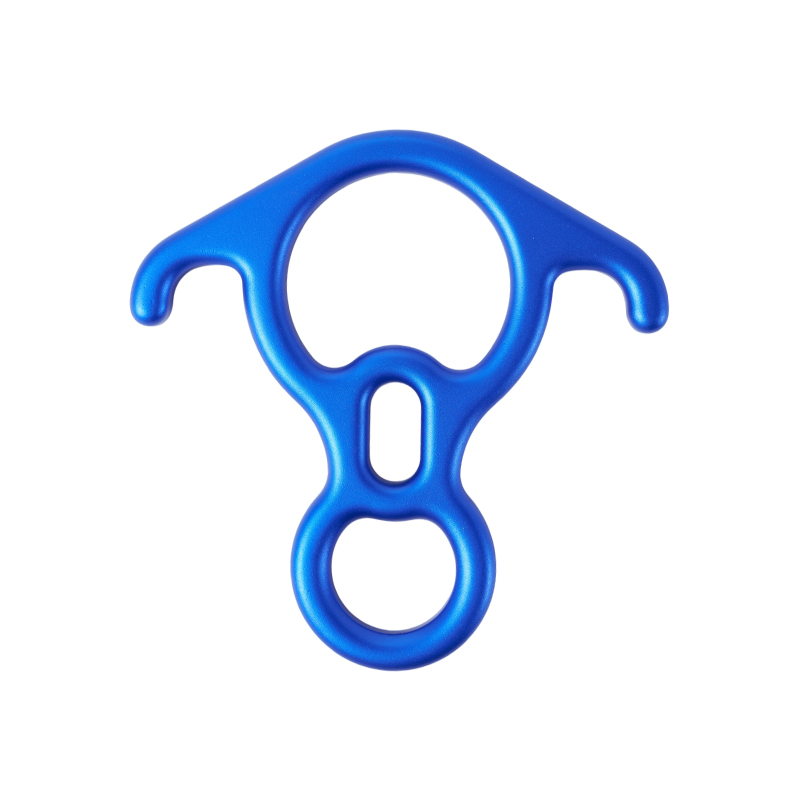
Many descenders use a cam or plate mechanism that creates variable friction on the rope. Auto-locking versions engage when tension changes suddenly, adding a layer of control. The body of the device is shaped to accommodate gloved hands and integrate with carabiners.
Rope compatibility varies by model, with attention to diameter ranges that match common cords. Side plates or openings allow mid-rope attachment in some designs, which supports quick adjustments during longer drops. The overall form emphasizes ease of threading and removal when changing setups.
Variations Across Activity Types
Lightweight models suit sport climbing and quick descents where minimal gear is preferred. Heavier-duty versions appear in professional and rescue kits, built to handle extended use and varied rope types. Some designs combine descender functions with other rope management roles for multi-purpose carry.
Caving-specific descenders address tight spaces and muddy conditions through protected mechanisms. Adventure racing events may include sections where participants use provided descenders under timed conditions. This range shows adaptation to the demands of different vertical environments
Broader Context in Vertical Movement
Descenders contribute to methods of accessing and traversing areas defined by height differences. Their presence allows activities in locations that would otherwise require complex scaffolding or other structures. Users across sectors rely on them as part of standard procedures for up-and-down travel.
The devices support both solo efforts and coordinated team actions in settings from urban structures to natural formations. Their ongoing use reflects the variety of rope techniques employed in work, response, and leisure contexts.





 3rd Floor, Comprehensive Building, No. 1 Huimin Road, Nanmingshan Street, Liandu District, Lishui City, Zhejiang Province
 +86 15325130332
