

 English
 Deutsch
 عربى
عربى
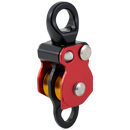
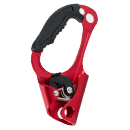

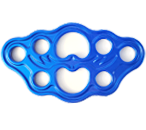
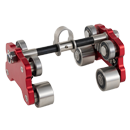
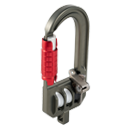
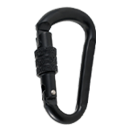
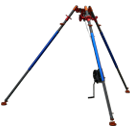


Production of Safety Hooks Safety hooks are mechanical devices designed to secure ropes, cables, or equipment, providing a reliable connection point in climbing, rescue operations, and industrial appl...
READ MOREAscender
The ascender offered by Mingpin Hardware is engineered to meet the demanding needs of climbing and safety, with a focus on durability and reliability. As a source factory, Mingpin provides comprehensive OEM and ODM customization services to support diverse application scenarios. Each ascender is designed with advanced manufacturing techniques, ensuring a balance of lightweight structure and exceptional load-bearing capacity. Rigorous quality inspection procedures are implemented before every product leaves the facility, ensuring that safety and performance standards are consistently met. Backed by continuous R&D investment, Mingpin stays aligned with evolving industry requirements and user expectations. The company emphasizes cost-effectiveness without compromising on quality, delivering products that integrate functionality, innovation, and value.
-
 Enquiry
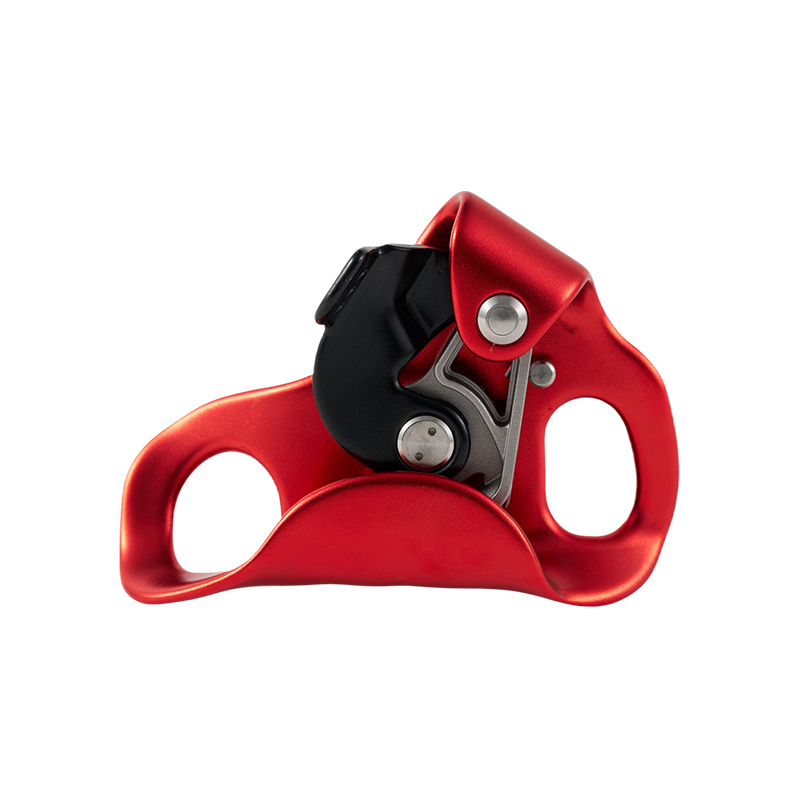
MP-XS-004 Rope Fall Arrester
The MP-XS-004 Rope Fall Arrestor is a reliable device for climbing and rope access work. It’s design...
-
 Enquiry
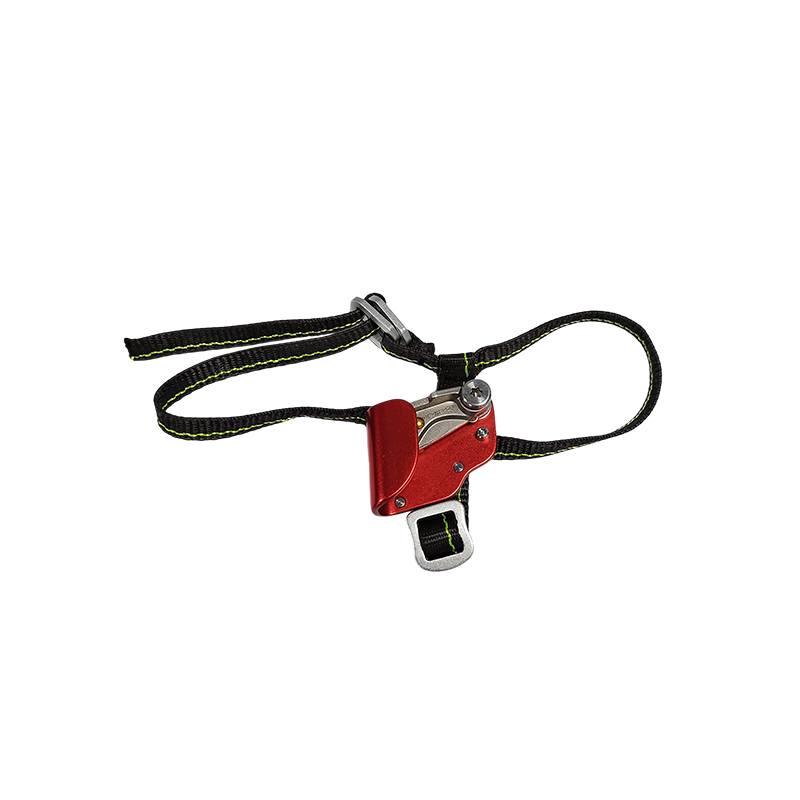
MP-XS-005 Protector
The MP-XS-005 Protector is a reliable device for climbing and rope protection. It’s designed to safe...
-
 Enquiry
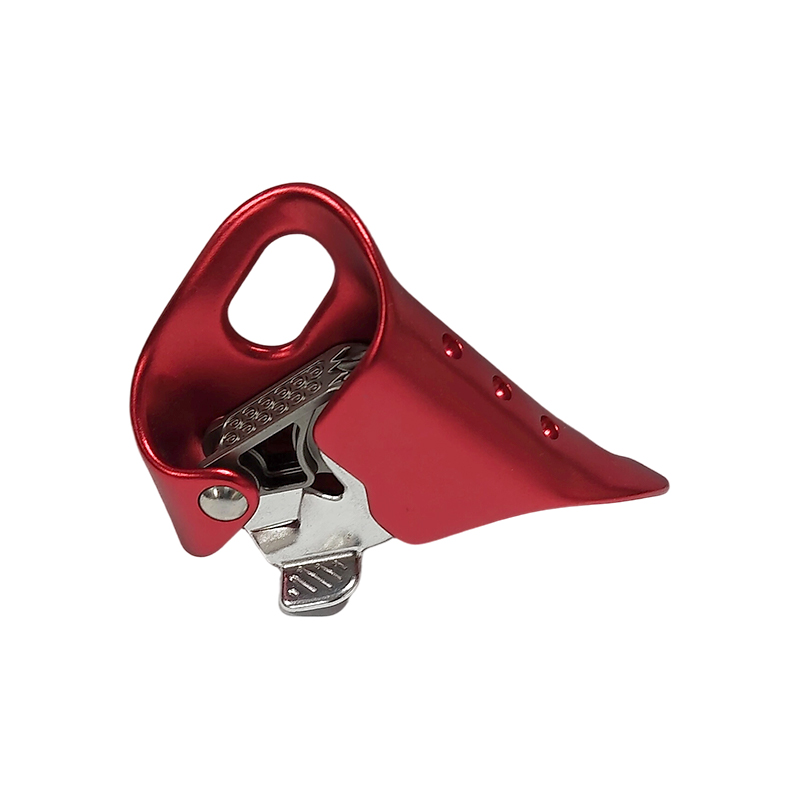
MP-JS-003 Aluminum Ascender
The MP-JS-003 is a robust rope-gripping device made of 7075 aluminum alloy, designed for ropes with ...
-
 Enquiry
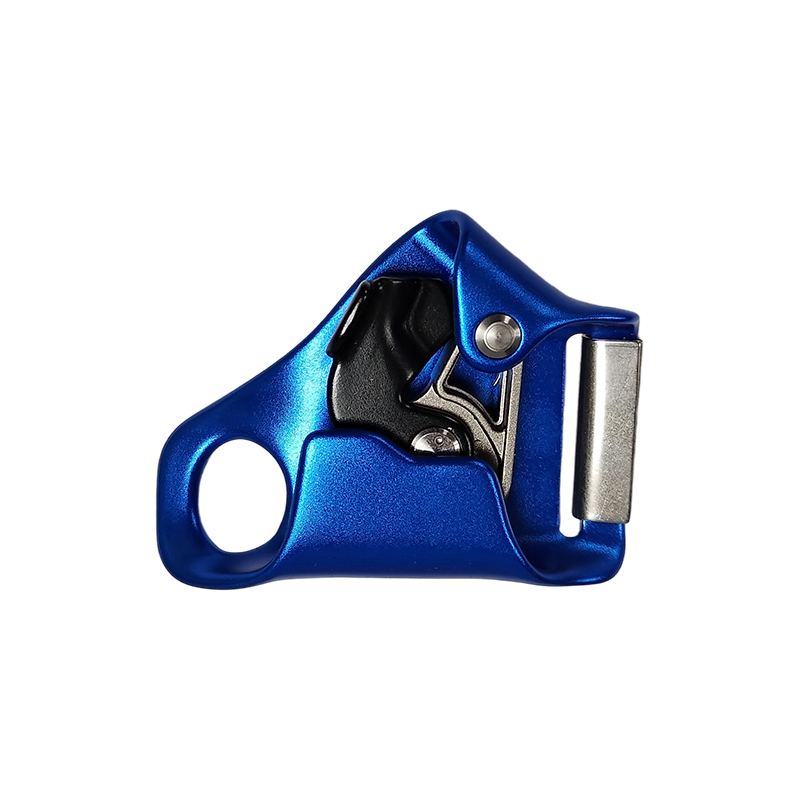
MP-XS-002 Aluminum Alloy Ascender
The MP-XS-002 Aluminum Alloy Ascender is a reliable tool designed for climbing and rope access tasks...
-
 Enquiry
MP-XS-0037075 Aluminum Ascender
The MP-XS-003 7075 Aluminum Ascender is a versatile device for climbing applications. It is designed...
-
 Enquiry
MP-XS-006 Right Hand Chest Ascender
The MP-XS-006 Right-hand Chest Ascender is a vital tool for climbing and rope access work. It is des...
About Us
Mingpin (Zhejiang) Hardware Co., Ltd.
Mingpin (Zhejiang) Hardware Co., Ltd. is rooted in the Shuige Industrial Zone, Liandu District, Lishui City, Zhejiang Province, known as "China's Most Ecological City." As a global leader in innovation in climbing and rescue equipment, we leverage cutting-edge technology as our core driving force and have been granted over 120 national invention and utility model patents, 37 of which address industry gaps.
Not only is the company the exclusive equipment supplier for the National Alpine Rescue Team, but we also provide in-depth services to over 350 professional rescue teams in 28 provinces and cities nationwide. Our product portfolio covers eight key areas: high-altitude rescue, firefighting special services, industrial fall protection, competitive rock climbing, and water operations. Leveraging military-grade precision manufacturing standards and EU CE/EN12841 dual certification, our core products, including safety buckles, rappelling systems, and intelligent protective devices, are sold in 56 countries and regions worldwide, with our market share in the European professional equipment market exceeding 35% for five consecutive years.
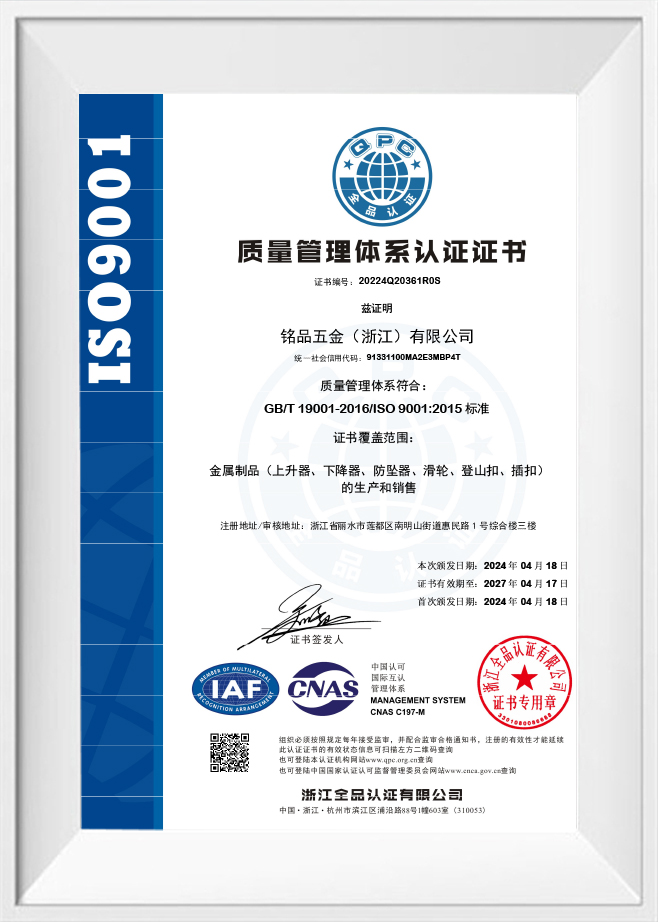
The Technology Center is equipped with Asia's leading vertical testing laboratory, integrating over 30 million RMB worth of testing equipment, including fully automatic material testing machines, high-precision 3D spectrometers, and nano-metallographic microscopes. This system integrates a 16-step quality control system from raw materials to finished products. Certified to ISO9001:2015 and UIAA standards, the International Mountaineering Federation, we invest 18% of our annual revenue in R&D and innovation, ensuring that every product passes 216 hours of extreme salt spray testing and 12,000 dynamic load tests.
As a National High-Tech Enterprise and a Zhejiang Province Specialized and New Enterprise, we have established an aviation-grade precision manufacturing joint laboratory with Xi'an Aircraft Industry (Group) Co., Ltd. Our core technologies have been successfully applied to the development of high-altitude rescue equipment, and we have assisted national and local rescue teams in over 50 major disaster relief operations, including those in Wenchuan and Ya'an. From earthquake ruins to avalanche sites, Mingpin Hardware safeguards lifelines with aerospace-grade safety standards.
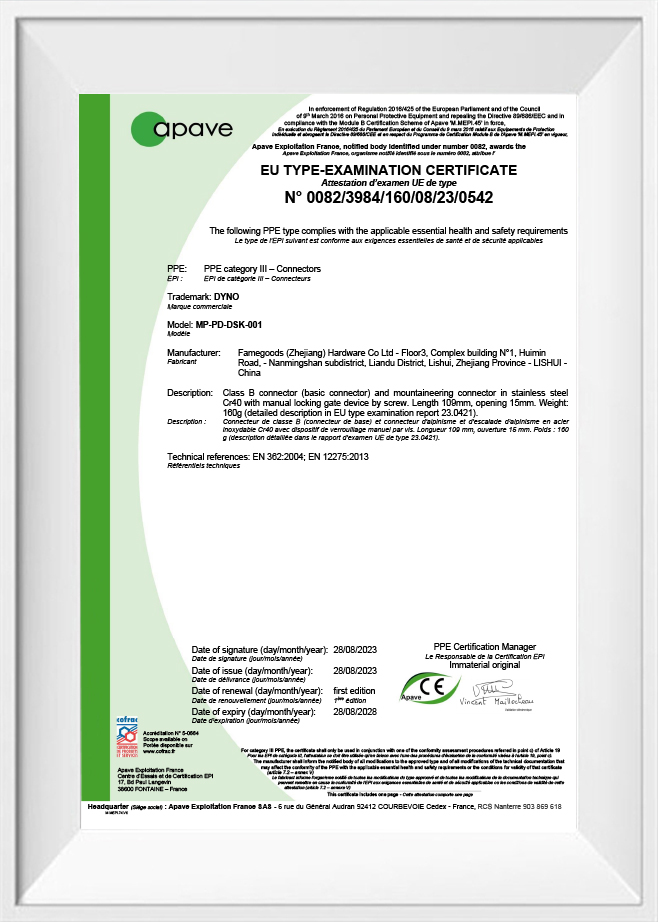
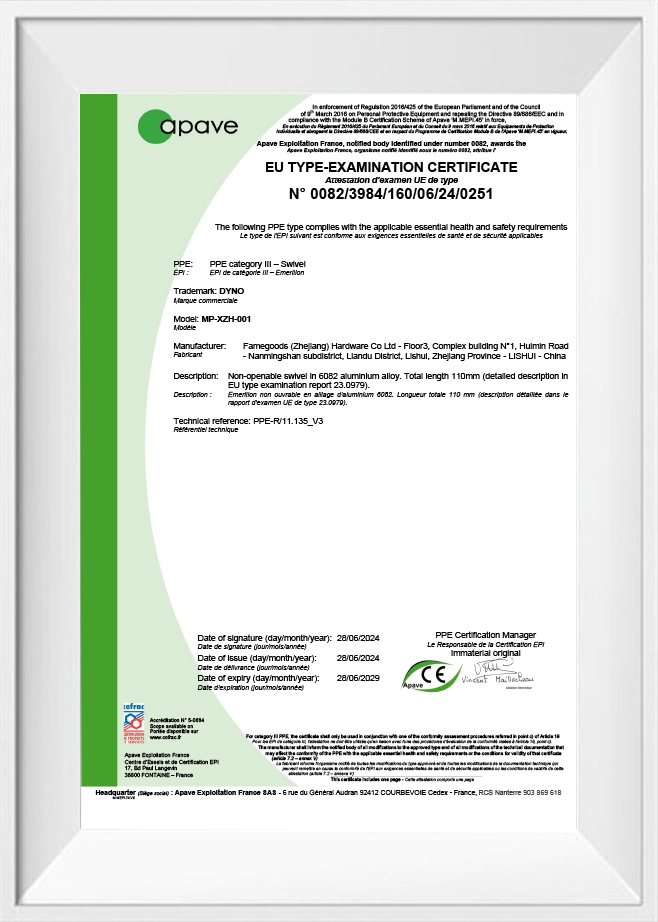
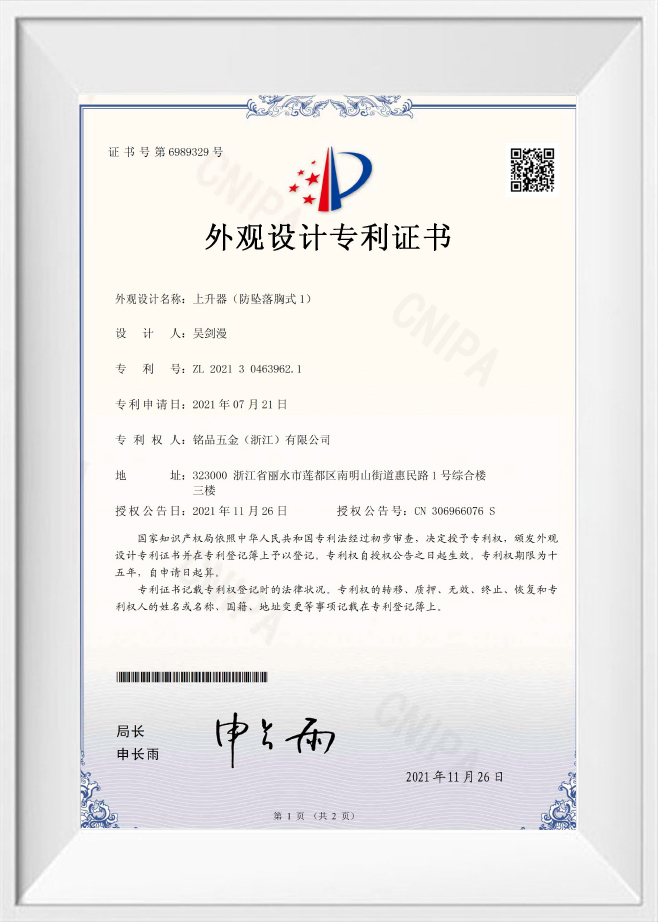
Certificate Of Honor
News
-
-
Rigging plates are versatile devices used to organize multiple attachment points in rope systems, providing a central hub for connecting carabiners, ascenders, descenders, and other equipment. These p...
READ MORE -
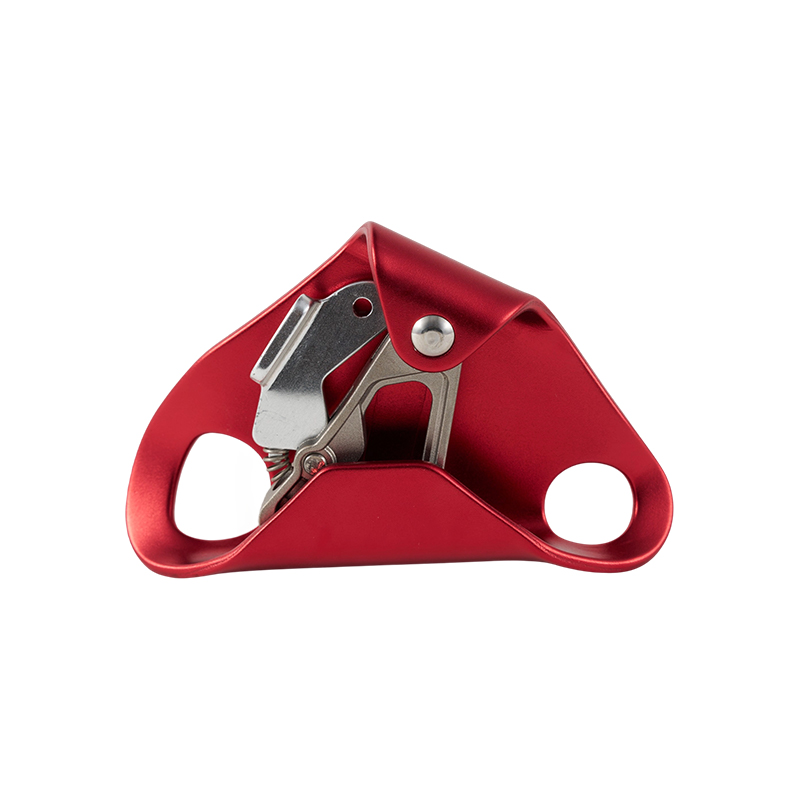
Chest ascenders are specialized climbing devices designed to assist climbers in ascending ropes efficiently. These devices are worn on the chest and work in combination with foot loops or harnesses to...
READ MORE -
Descenders are mechanical devices designed to control the speed of descent on ropes, widely used in climbing, caving, rescue operations, and industrial rope access work. These devices allow users to d...
READ MORE
Message Feedback
Industry knowledge
As one of the key components in rope systems, the Rope Ascender plays a vital role in improving the efficiency of vertical movement, reducing physical exertion, and optimizing operational procedures.
Basic Concepts of Rope Ascenders
A Rope Ascender is a mechanical device used for unidirectional movement along a rope. Its main function is to allow the user to move upwards along the rope while preventing backward sliding when the direction of force changes. This principle is usually achieved through a cam structure and a toothed contact surface, enabling assisted ascent without relying on complex power systems.
In practical use, Rope Ascenders are often used in conjunction with safety ropes, main rope systems, and other protective equipment to form a complete vertical work or climbing solution.
Common Classification Methods for Rope Ascenders
Rope Ascenders can usually be distinguished from two dimensions: "wearing position" and "functional purpose."
Classification by Wearing and Usage Position
- Handheld Ascenders: Primarily operated by hand, suitable for short-distance adjustments.
- Chest-mounted Ascenders (e.g., Chest Ascender): Connected to a safety harness to maintain a stable ascent trajectory.
- Foot-assisted Ascenders: Used to coordinate with foot movements to improve overall efficiency.
Classification by Application Scenario
- Outdoor climbing and rope technique training
- Industrial maintenance and equipment inspection
- Emergency rescue and personnel transfer
- Rope system teaching and demonstration
In climbing-related scenarios, the term "Climbing Ascender" is often used to emphasize its suitability and operational logic in vertical climbing.
Structural and Material Characteristics Analysis
Although the structure of a Rope Ascender is not complex, it requires high attention to detail. Common design considerations include:
- The tooth design of the cam and rope contact surface
- The rigidity and weight control of the main body casing
- Rope compatibility diameter range
- Stable performance in wet or dusty environments
In terms of materials, a combination of aluminum alloy and steel components is common, which meets the structural strength requirements and helps control overall weight, aligning with the current trend towards lightweight design.
Typical Application Scenarios
The use of Rope Ascenders is not limited to a single industry; their application scenarios show significant overlap. Common usage scenarios include:
- High-altitude installation personnel moving up and down along fixed ropes
- Practicing rope ascent techniques during outdoor training
- Personnel entering and exiting caves or vertical spaces
- Establishing temporary ascent passages during rescue operations
In these scenarios, ascenders are often not used alone, but as part of a systematic configuration.
Comparison of Different Types of Rope Ascenders
The table below compares several common types of rope ascenders from a classification perspective:
| Classification Dimension | Handheld Ascender | Chest-mounted Ascender | Foot-assisted Ascender |
| Main Force Application | Hand pulling | Body weight | Leg thrust |
| Stability | Medium | High | Depends on coordination |
| Operation Rhythm | Intermittent | Continuous | Auxiliary |
| Common Applications | Adjusting position | Long-distance ascent | Improving efficiency |
| Compatible Systems | Various | Safety harness system | Rope system |
This comparison helps users quickly understand the positioning differences of different products when browsing the classification page.
Common Considerations During Selection and Use
When actually choosing a rope ascender, users usually comprehensively evaluate the following aspects:
- Presence of mud, water vapor, or low temperatures in the operating environment
- Ascent distance and frequency
- Whether continuous operation for extended periods is required
- Compatibility with existing rope systems
By clearly defining usage requirements, users can effectively avoid operational inconvenience caused by mismatched selection.
As an important component of the rope system, the value of a rope ascender is not only reflected in the single function of "ascending," but also in the comprehensive optimization of overall operational efficiency, safety, and physical burden.
Have any question ?
contact us

 3rd Floor, Comprehensive Building, No. 1 Huimin Road, Nanmingshan Street, Liandu District, Lishui City, Zhejiang Province
 +86-15071143596

© Mingpin (Zhejiang) Hardware Co., Ltd. All rights reserved.
Rope Ascender Factory
