

 English
 Deutsch
 عربى
عربى
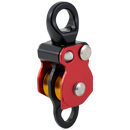

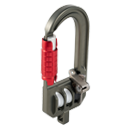
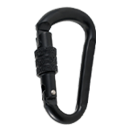
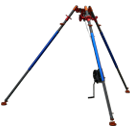

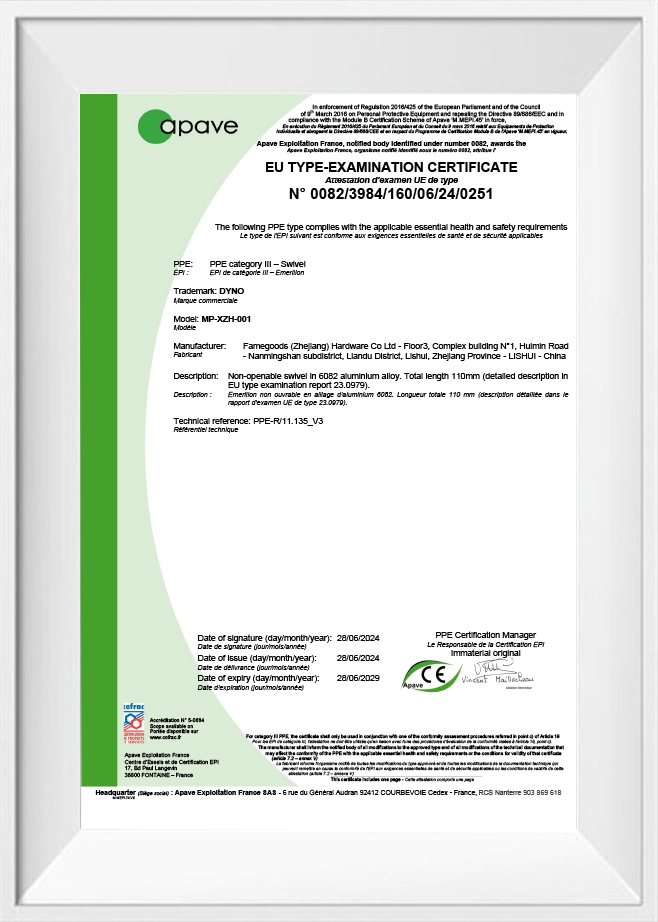

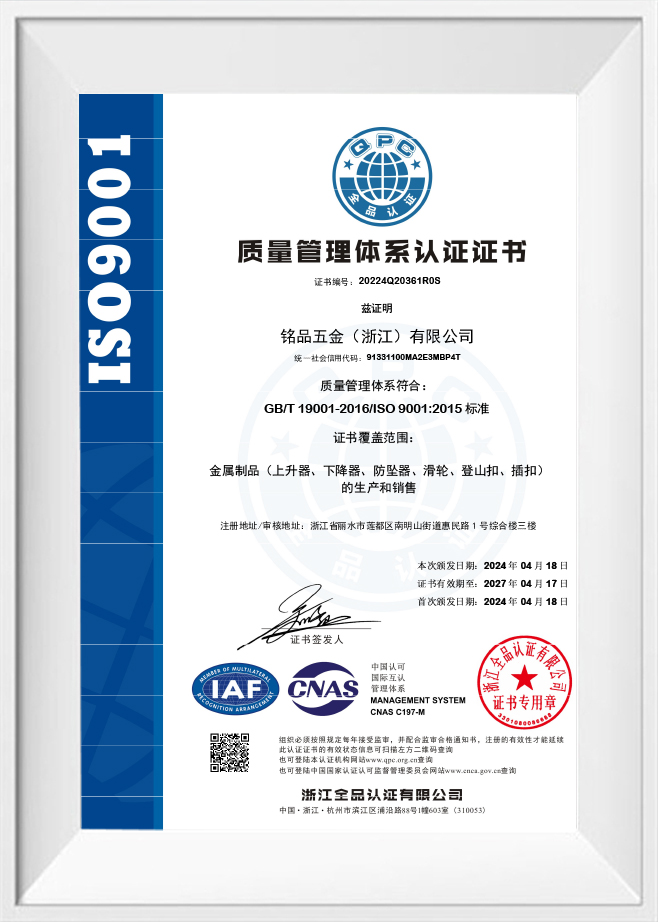
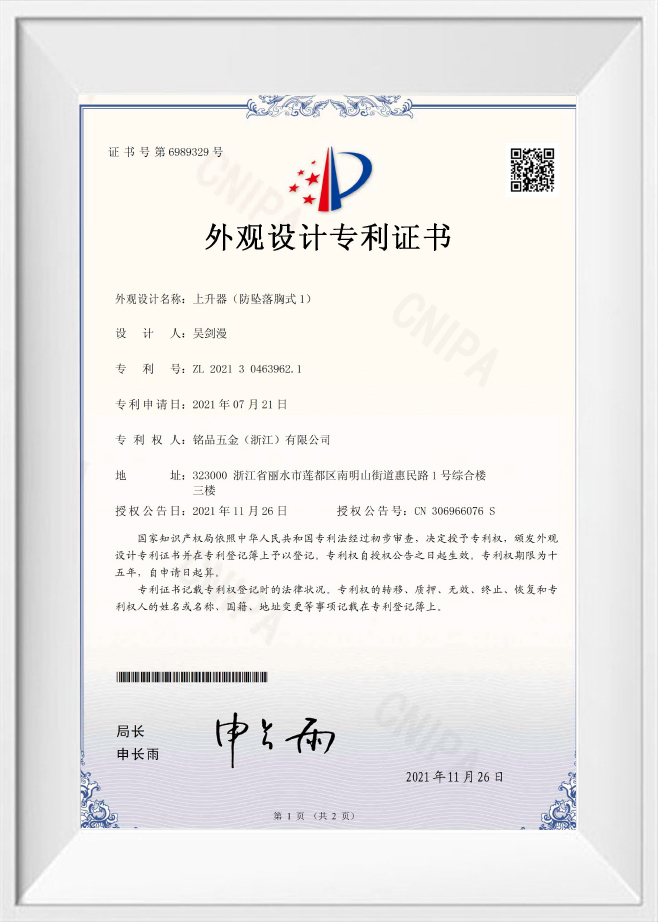
Production of Safety Hooks Safety hooks are mechanical devices designed to secure ropes, cables, or equipment, providing a reliable connection point in climbing, rescue operations, and industrial appl...
READ MOREDescender
At Mingpin Hardware Company, we specialize in manufacturing descenders. As a source factory, we provide comprehensive customized services, including OEM and ODM, to meet the unique requirements of our clients. Our descenders are engineered with an exceptional load-bearing capacity, capable of withstanding heavy-duty use without compromising on performance. At the same time, they are designed to be lightweight, ensuring ease of use and portability. We employ advanced production techniques to ensure precision in every component, delivering products of the highest quality. Each descender undergoes stringent quality control and testing procedures before it leaves the factory, guaranteeing reliability and safety. With ongoing R&D investment, we continuously improve our products to offer the good cost-performance ratio in the market. Choose Mingpin for descenders that combine strength, lightness, and value.
-
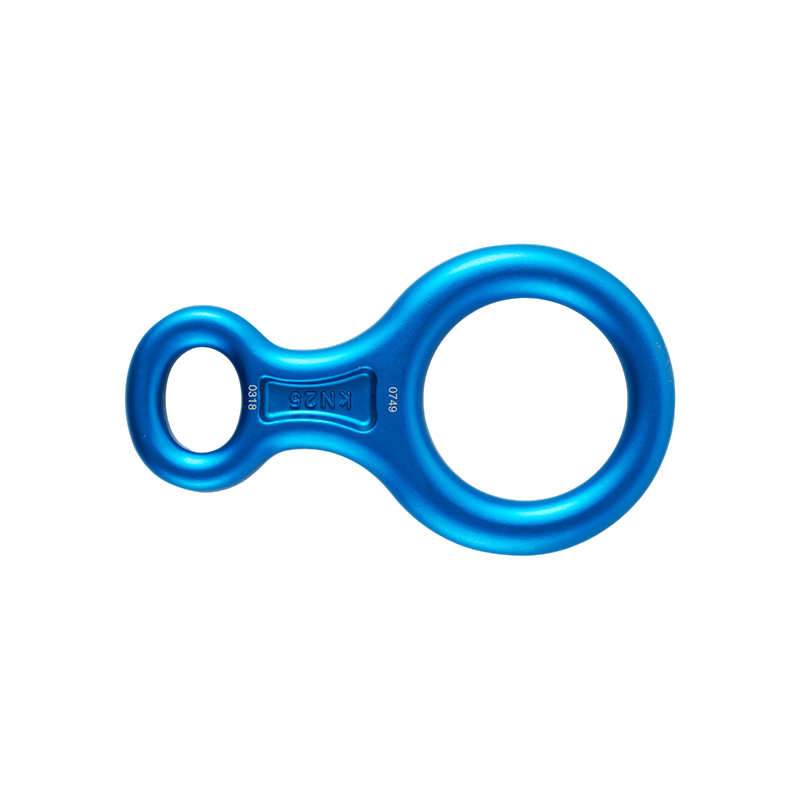 Enquiry
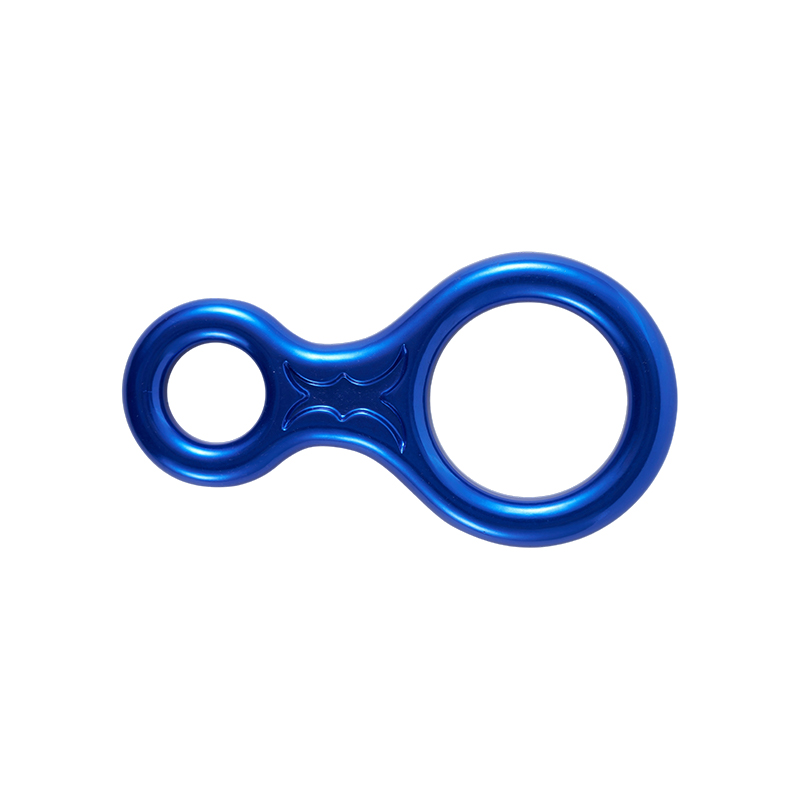
MP-8ZH-001 Figure-Eight Ring Descender
The MP - 8ZH - 001 Figure 8 Descender is a high-performance device for climbing and rappelling. Made...
-
 Enquiry
MP-8ZH-003 Rock Climbing Descender
The MP - 8ZH - 003 Figure - 8 Descender is a reliable tool for climbing and rappelling. Crafted from...
-
 Enquiry
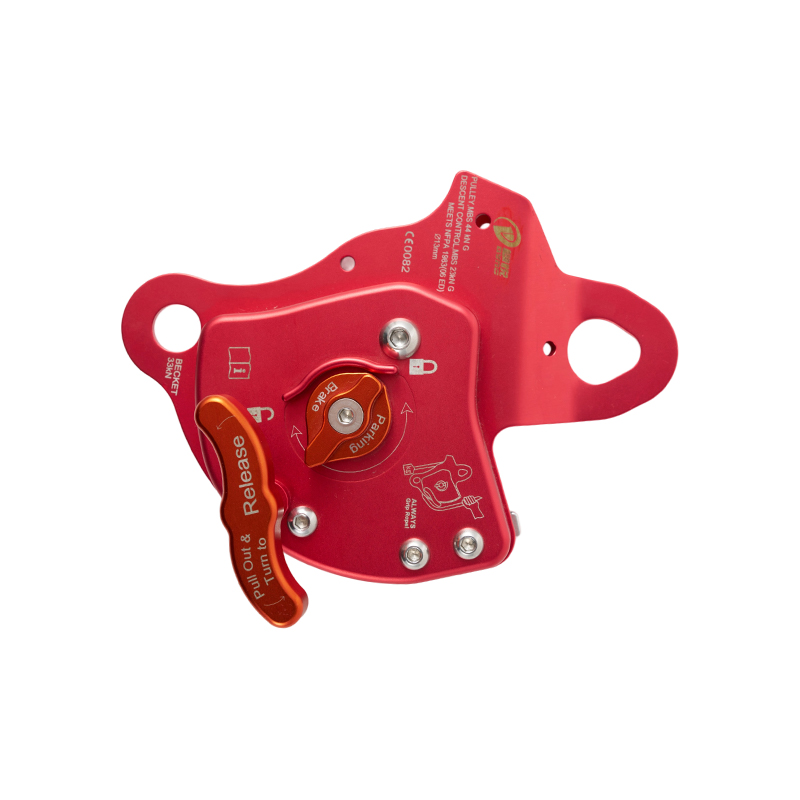
MP-8ZH-004 Mountaineering Descender
The MP-8ZH-004 Figure - 8 Descender is a high-quality device for climbing and rappelling. Made of 60...
-
 Enquiry
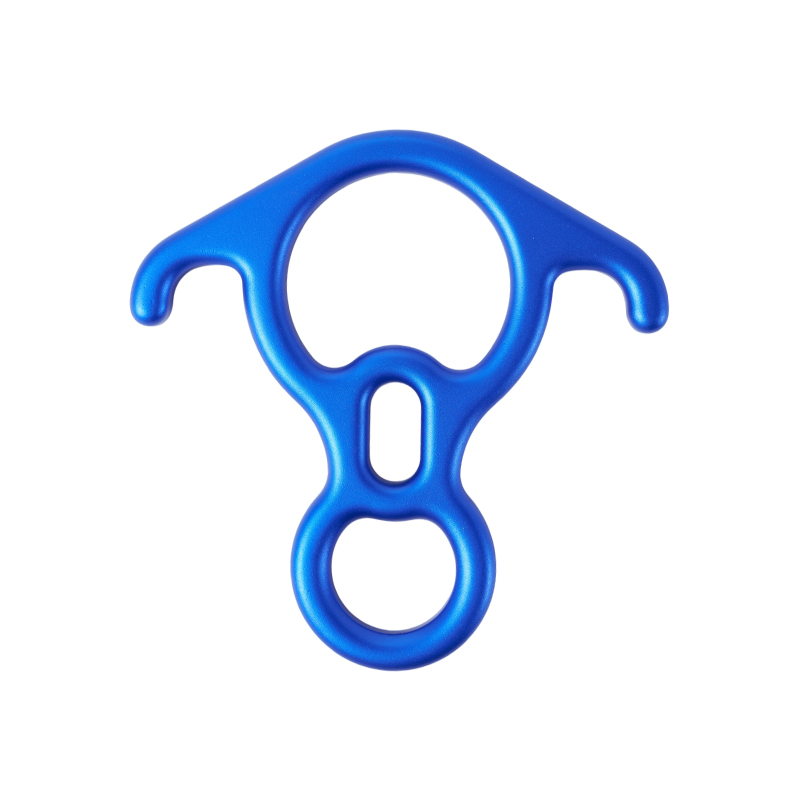
MP-DHL-013 Rope Descender
MP-DHL-013 is a rope descender constructed from 7075 aluminum alloy. It has a maximum load capacity ...
-
 Enquiry
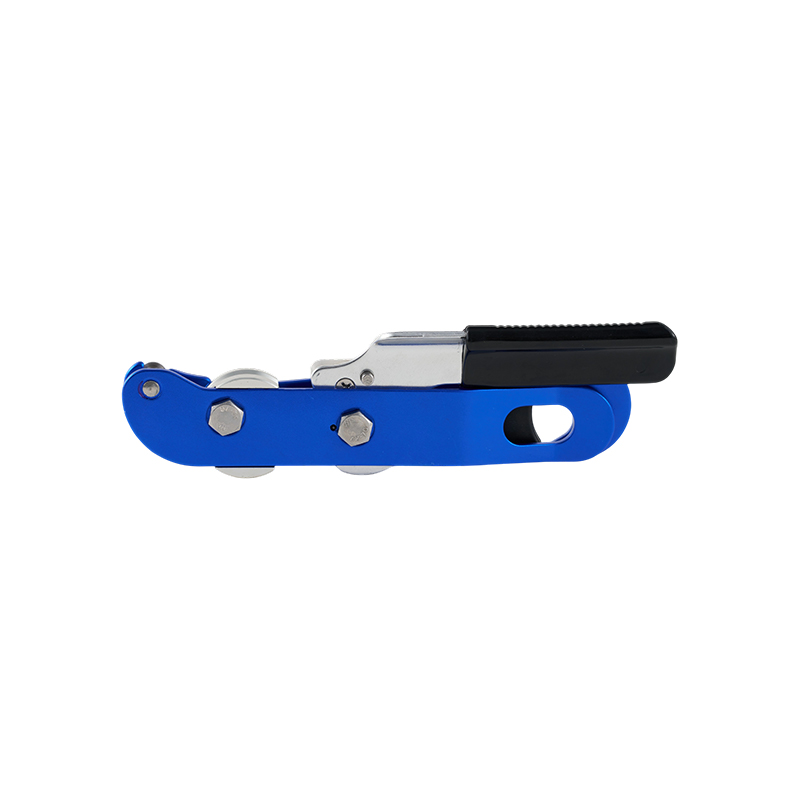
MP-NJ8ZH-003 Controlled Rope Descender
The MP-NJ8ZH-003 Figure-8 - 8 Descender is a high-performance device for controlling rope descent. M...
-
 Enquiry
MP-XJQ-001A Rescue Rope Grabber
MP-XJQ-001A rescue rope grab is made of 7075 aluminum alloy, offering good strength and durability. ...
-
 Enquiry
MP-XJQ-002B Industrial-Grade Clamp
MP-XJQ-002B industrial rope clamp is made of 7075 aluminum alloy. It can bear a max load of 150kg an...
-
 Enquiry
MP-XJQ-0036082 Aluminum Alloy Descender
MP-XJQ-0036082 aluminum alloy descender is made of 6082 aluminum alloy, which has good wear resistan...
-
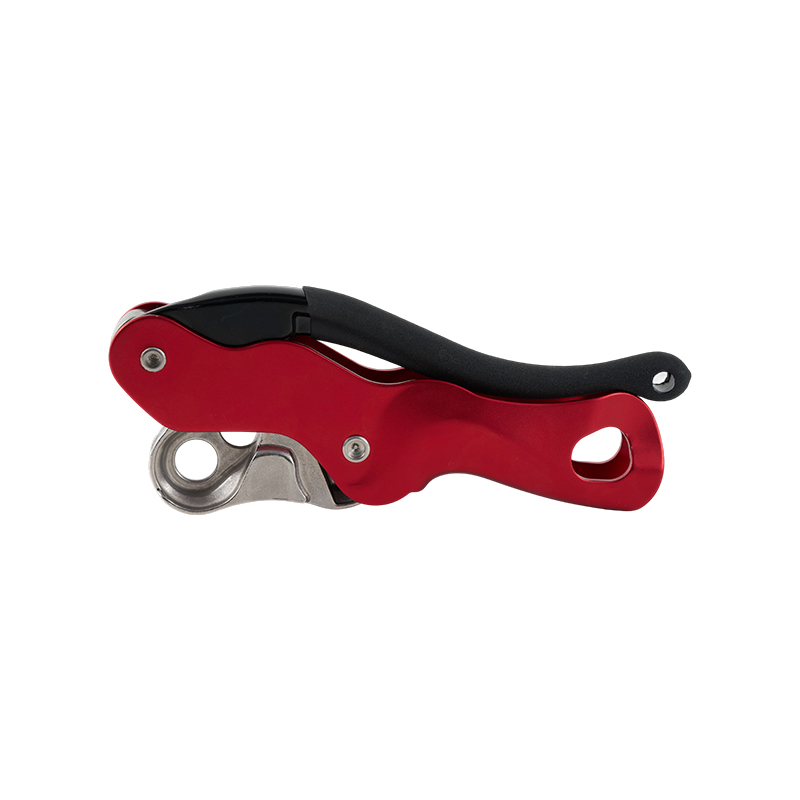 Enquiry
MP-XJQ-006 Anti-Panic Descender
MP-XJQ-006 anti-panic descender is made of 7075 aluminum alloy. It has a max load of 150kg for 9mm r...
-
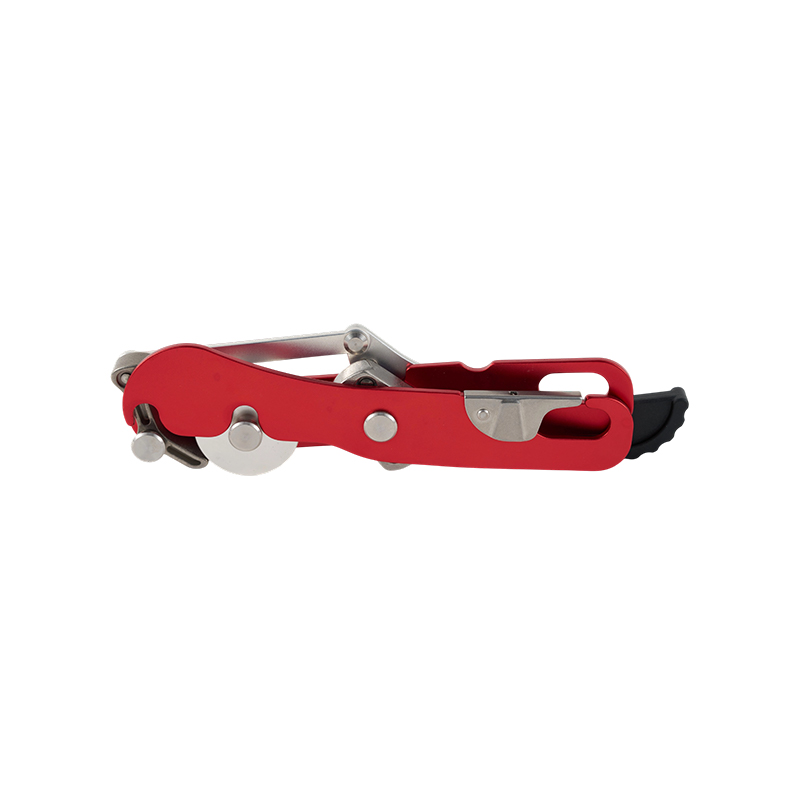 Enquiry
MP-XJQ-007 Two-Point Automatic Locking Rappelling Device
MP-XJQ-007 auto-locking descender is made of 7075 aluminum alloy. It supports ropes of diameter 9~12...
-
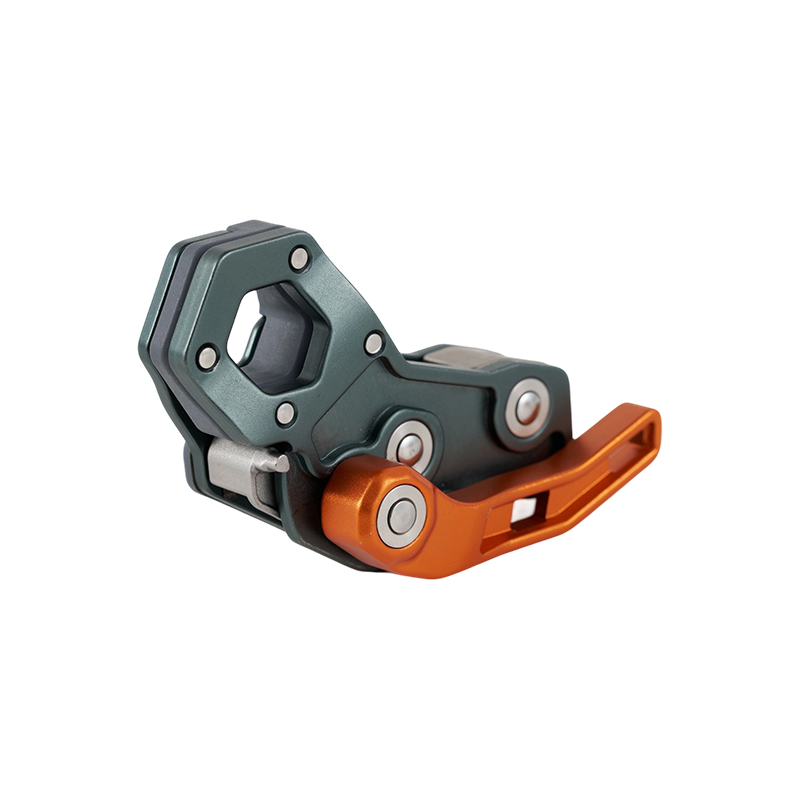 Enquiry
MP-XJQ-009 Fall Limiter
MP-XJQ-009 fall limiter is built with 7075 aluminum alloy. It supports two rope diameter ranges: 7.5...
-
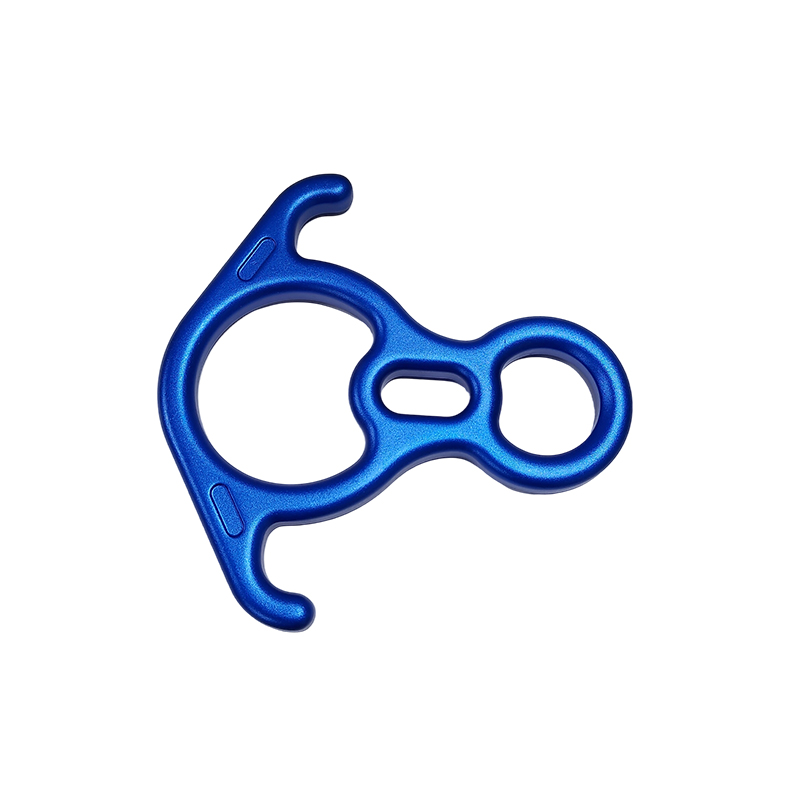 Enquiry
MP-NJ8ZH-001 High Altitude Slow Descender
The MP-NJ8ZH-001 Figure 8 Descender is a high-quality device for aerial descent. Made of 6082 alumin...
About Us
Mingpin (Zhejiang) Hardware Co., Ltd.
Mingpin (Zhejiang) Hardware Co., Ltd. is rooted in the Shuige Industrial Zone, Liandu District, Lishui City, Zhejiang Province, known as "China's Most Ecological City." As a global leader in innovation in climbing and rescue equipment, we leverage cutting-edge technology as our core driving force and have been granted over 120 national invention and utility model patents, 37 of which address industry gaps.
Not only is the company the exclusive equipment supplier for the National Alpine Rescue Team, but we also provide in-depth services to over 350 professional rescue teams in 28 provinces and cities nationwide. Our product portfolio covers eight key areas: high-altitude rescue, firefighting special services, industrial fall protection, competitive rock climbing, and water operations. Leveraging military-grade precision manufacturing standards and EU CE/EN12841 dual certification, our core products, including safety buckles, rappelling systems, and intelligent protective devices, are sold in 56 countries and regions worldwide, with our market share in the European professional equipment market exceeding 35% for five consecutive years.
The Technology Center is equipped with Asia's leading vertical testing laboratory, integrating over 30 million RMB worth of testing equipment, including fully automatic material testing machines, high-precision 3D spectrometers, and nano-metallographic microscopes. This system integrates a 16-step quality control system from raw materials to finished products. Certified to ISO9001:2015 and UIAA standards, the International Mountaineering Federation, we invest 18% of our annual revenue in R&D and innovation, ensuring that every product passes 216 hours of extreme salt spray testing and 12,000 dynamic load tests.
As a National High-Tech Enterprise and a Zhejiang Province Specialized and New Enterprise, we have established an aviation-grade precision manufacturing joint laboratory with Xi'an Aircraft Industry (Group) Co., Ltd. Our core technologies have been successfully applied to the development of high-altitude rescue equipment, and we have assisted national and local rescue teams in over 50 major disaster relief operations, including those in Wenchuan and Ya'an. From earthquake ruins to avalanche sites, Mingpin Hardware safeguards lifelines with aerospace-grade safety standards.
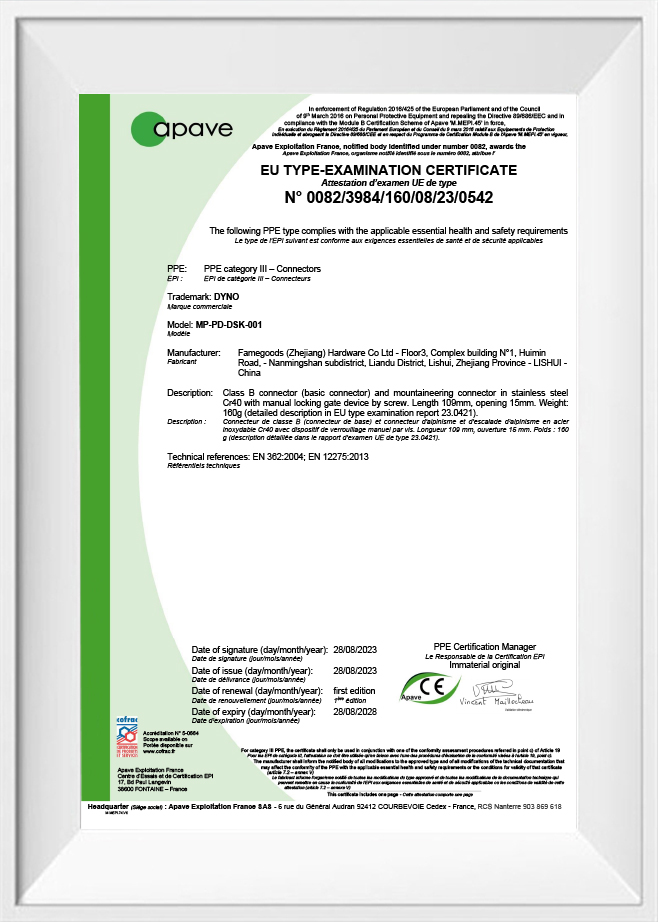
Certificate Of Honor
News
-
-
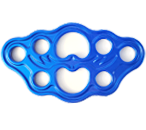
Rigging plates are versatile devices used to organize multiple attachment points in rope systems, providing a central hub for connecting carabiners, ascenders, descenders, and other equipment. These p...
READ MORE -
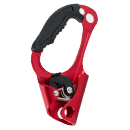
Chest ascenders are specialized climbing devices designed to assist climbers in ascending ropes efficiently. These devices are worn on the chest and work in combination with foot loops or harnesses to...
READ MORE -
Descenders are mechanical devices designed to control the speed of descent on ropes, widely used in climbing, caving, rescue operations, and industrial rope access work. These devices allow users to d...
READ MORE
Message Feedback
Industry knowledge
A descender is a mechanical device used to control the descent speed along a fixed rope, effectively limiting free fall through friction or a braking system, ensuring a smooth and safe descent for the operator or load. In modern rope techniques, descenders are indispensable auxiliary equipment for vertical movement or rope work.
Core functions include:
- Controlling descent speed to prevent accidental falls
- Reducing the load on the operator's hands
- Providing a stable descent trajectory
- Enabling complex operations such as single-point descent and multi-person simultaneous descent in conjunction with rope systems
In different scenarios, descenders can be used in conjunction with safety ropes, buffer systems, and other personal protective equipment to form a complete vertical safety system.
Industry Trends and Development
In recent years, with the popularization of outdoor sports and the improvement of safety standards for working at heights, the application demand for descenders has shown the following trends:
- Lightweight design: Reducing load and suitable for long-term operation
- Multi-functional integration: Some products integrate descent and locking functions, improving operational efficiency
- Ergonomic optimization: Improving grip and smoothness of operation, reducing hand fatigue
- Adaptability to various rope diameters: Increasing versatility to meet different rope specifications
In addition, industrial rescue and high-altitude maintenance have placed higher demands on the reliability of descenders, which has also driven the continuous optimization of materials and structural design.
Characteristics of Rope Descenders and Auto Lock Descenders
In the category of descenders, Rope Descenders and Auto Lock Descenders are two typical products, each suitable for different operational needs.
- Rope Descender: Primarily controls descent speed through friction, offering relatively flexible operation, suitable for conventional vertical descent and rope movement training.
- Auto Lock Descender: Adds an automatic locking mechanism to the friction control. When the operator releases their grip, it automatically stops the descent, improving safety, and is often used in high-risk environments or rescue operations.
These two types of products have similar metal bodies and rope guides in their structure, but there are significant differences in their usage logic and safety performance. Users should consider the specific application scenario when choosing a product.
Materials and Structural Characteristics of Descenders
Modern descender products are mostly made of aluminum alloy or high-strength steel. The choice of material directly affects the weight, durability, and friction characteristics of the device.
Main Material Characteristics:
- Aluminum alloy: Lightweight, easy to process, suitable for outdoor sports and prolonged use.
- Stainless steel: Corrosion-resistant, high strength, suitable for industrial environments or rescue missions.
- Composite materials: Some high-end products use engineering plastics or composite metals, balancing strength and lightweight design.
Structural Characteristics:
- Rope groove design conforms to rope diameter specifications.
- Friction surface is surface-treated to extend service life.
- Automatic locking mechanism or manual braking device enhances operational safety.
- Handle and grip positions are ergonomically designed for comfortable long-term use.
Typical Application Scenarios
Descenders are widely used in various vertical movements and high-altitude operations:
- Outdoor climbing and exploration: Used for safe descent, rope rescue, and single-point descent practice.
- Industrial high-altitude work: Equipment maintenance, construction, and tower work.
- Emergency rescue: Firefighting, mountain search and rescue, and cave rescue.
- Training and teaching: Rope skills training, operation procedure demonstrations.
In these applications, operators need to select the appropriate Descender product based on the environment, rope type, and load conditions to ensure safety and efficiency.
Classification and Comparison
Descenders can be classified in multiple dimensions based on operating method, functional characteristics, and application environment. The table below shows a comparison of several common Descender types:
| Classification Dimension | Friction-type Rope Descender | Automatic Locking Auto Lock Descender | Multifunctional Industrial Descender |
| Control Method | Friction manual control | Friction + automatic locking | Friction + adjustable braking |
| Operational Flexibility | High | Medium | Medium |
| Safety | Medium | High | High |
| Applicable Environment | Outdoor, training | High-risk environments, rescue | Industrial operations, long-distance descent |
| Weight | Light | Medium | Medium to heavy |
| Rope Diameter Compatibility | 8-13 mm | 9-11 mm | 8-13 mm |
The table clearly shows the focus and applicable scenarios of different types of descenders, helping users quickly select the appropriate product.
Selection and Usage Considerations
During the actual selection process, the following factors should be considered:
- Rope Specifications: Confirm that the diameter and material are compatible.
- Operating Environment: Outdoor, humid, or industrial environments have different material requirements.
- Operating Frequency and Distance: Long-distance descents or frequent operations require consideration of comfort and heat dissipation.
- Load Weight: Ensure that the descender's load capacity meets actual needs.
- Safety Mechanisms: In high-risk environments, it is recommended to choose products with automatic locking or redundant protection functions.
Usage Precautions:
- Check the rope for wear before use.
- Keep the descender's rope guide groove and friction surface clean.
- Perform regular mechanical performance checks and lubrication.
- Operate according to the manufacturer's recommendations and avoid overloading.
Industry Trends and Technological Development
With the upgrading of industry demands, Descender products are developing in the following directions:
- Lightweight and High-Strength Combination: New aluminum alloys or composite materials improve portability.
- Intelligent Design: Some products include friction feedback or force sensing prompts for easier operation monitoring.
- Modular Configuration: Detachable handles and replaceable friction plates improve adaptability.
- Multi-functional Integration: Descent + automatic locking + load distribution functions are integrated into one device.
As an important component of rope systems, the function of a descender is not limited to "descent," but also encompasses operational efficiency, safety control, and ergonomic optimization.
Have any question ?
contact us

 3rd Floor, Comprehensive Building, No. 1 Huimin Road, Nanmingshan Street, Liandu District, Lishui City, Zhejiang Province
 +86-15071143596

© Mingpin (Zhejiang) Hardware Co., Ltd. All rights reserved.
Custom Auto Lock Descender
