

 English
 Deutsch
 عربى
عربى
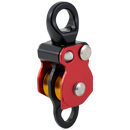
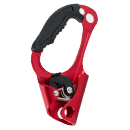

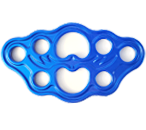
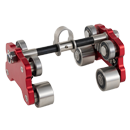
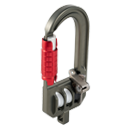
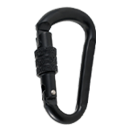


Production of Safety Hooks Safety hooks are mechanical devices designed to secure ropes, cables, or equipment, providing a reliable connection point in climbing, rescue operations, and industrial appl...
READ MOREAdjustable Safety Product
-
 Enquiry
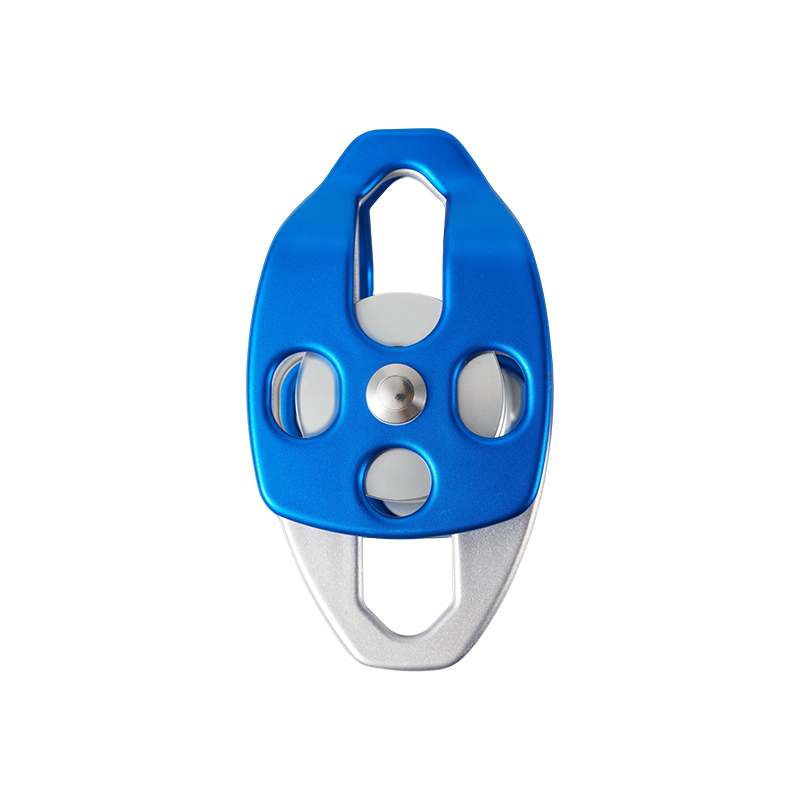
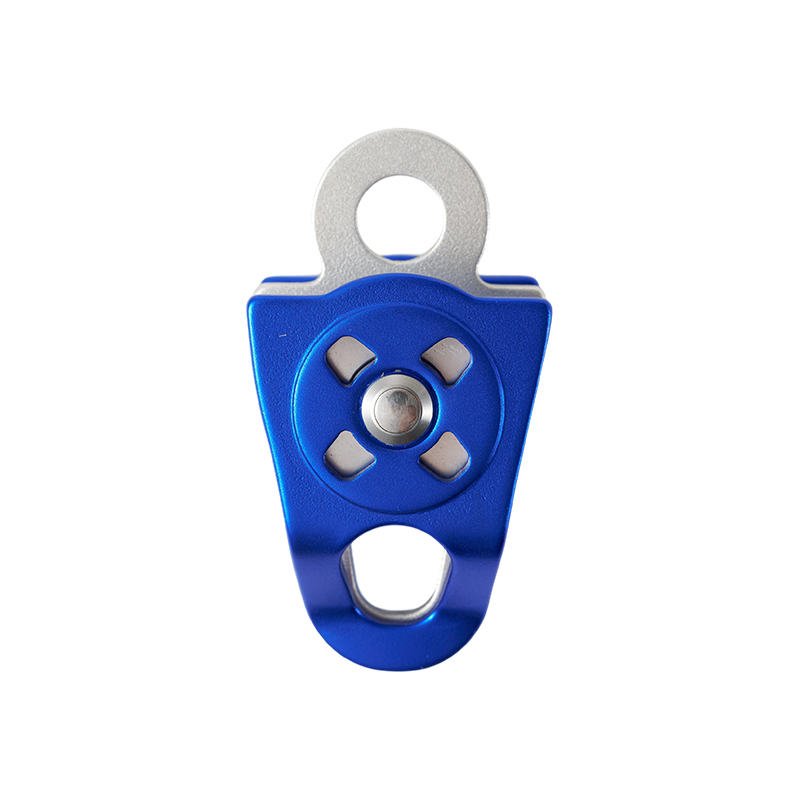
MP-SHL-002 Single Pulley
The MP-SHL-002 is a robust single pulley designed for efficient mechanical applications. Crafted fro...
-
 Enquiry
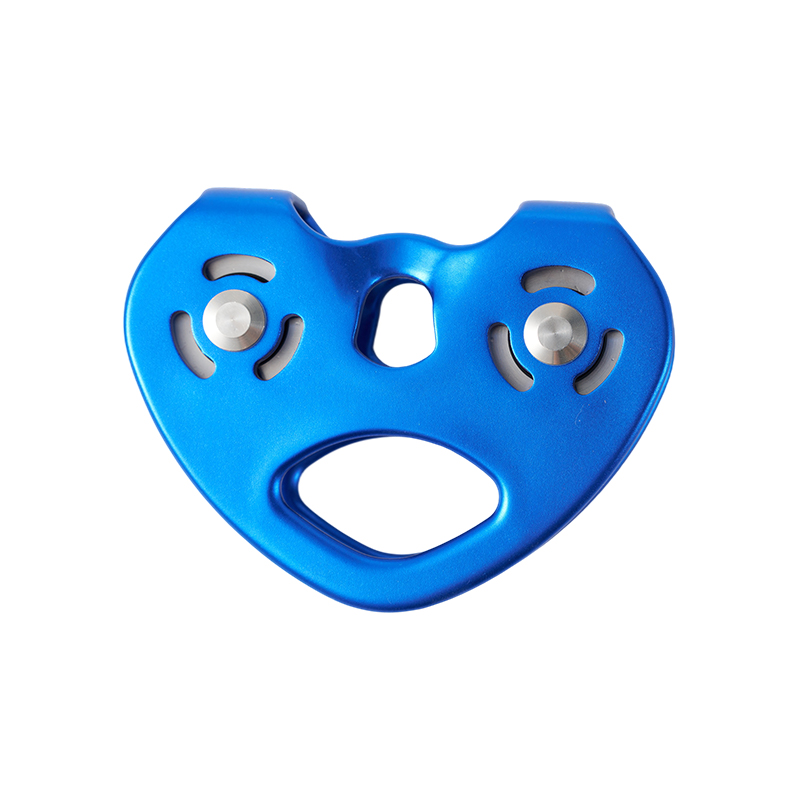
MP-SHL-005G Aluminum Alloy Three-Wheel Pulley
The MP-SHL-005G is a robust triple-wheel pulley designed for efficient load distribution. It has a c...
-
 Enquiry
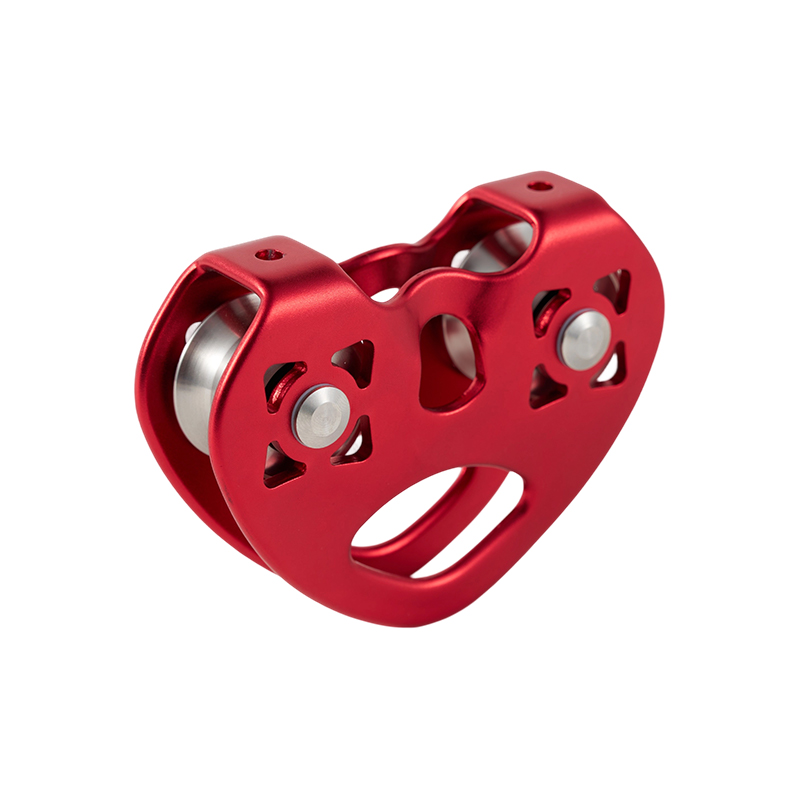
MP-SHL-006 Heart-Shaped Double Pulley
The MP-SHL-006 is a red heart-shaped double pulley designed for climbing applications. It has a leng...
-
 Enquiry
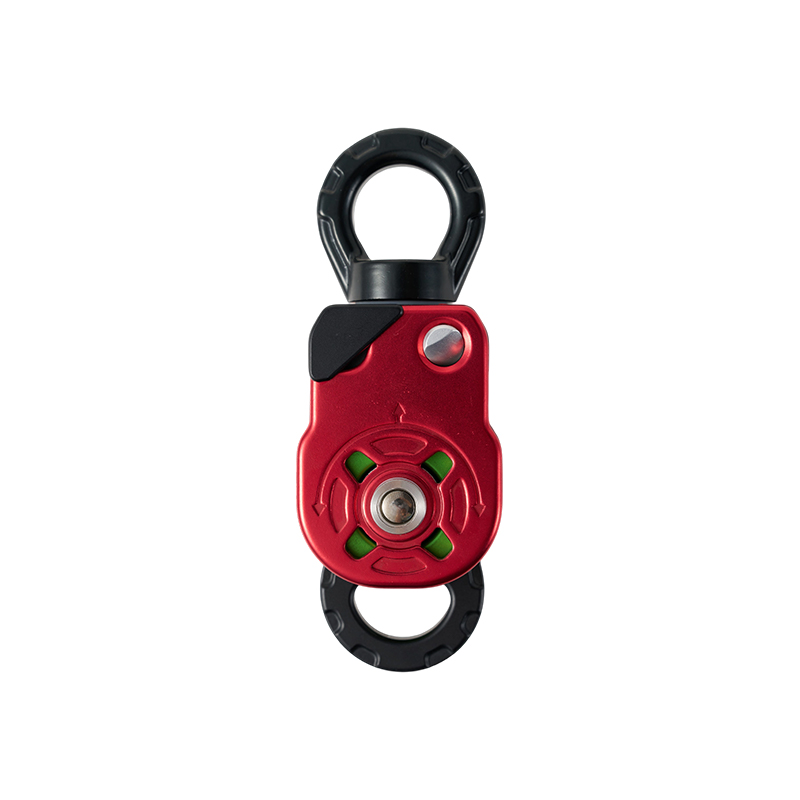
MP-SHL-007 Heart-Shaped Rock Climbing Double Pulley
The MP-SHL-007 is a heart-shaped climbing double pulley. It has a length (A) of 106mm, width (B) of ...
-
 Enquiry
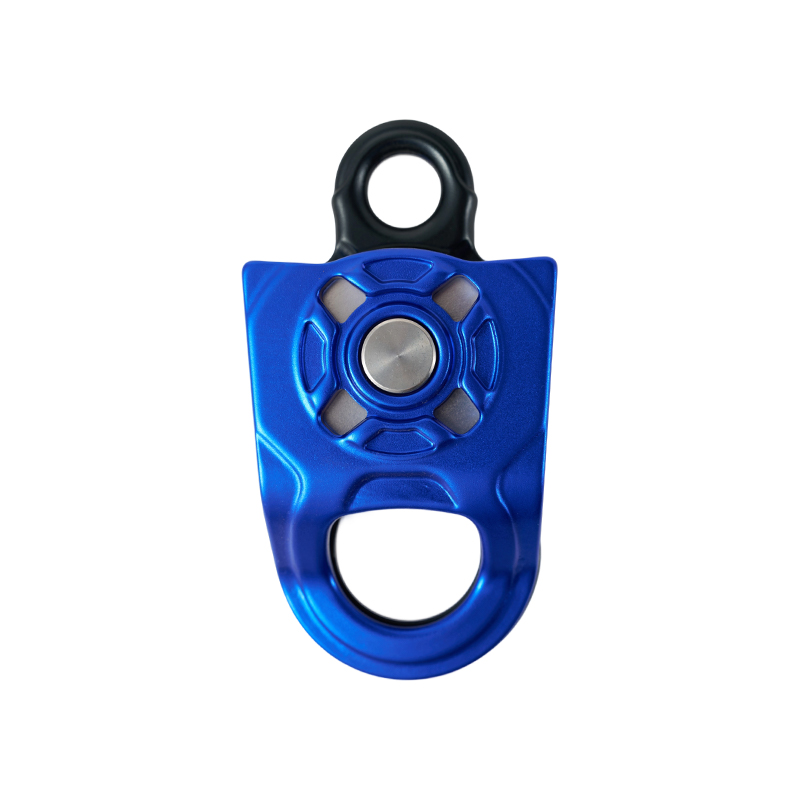
MP-SHL-009 Single-Wheel Pulley
The MP-SHL-009 is a robust single-wheel pulley designed for reliable load bearing. It has a length (...
-
 Enquiry
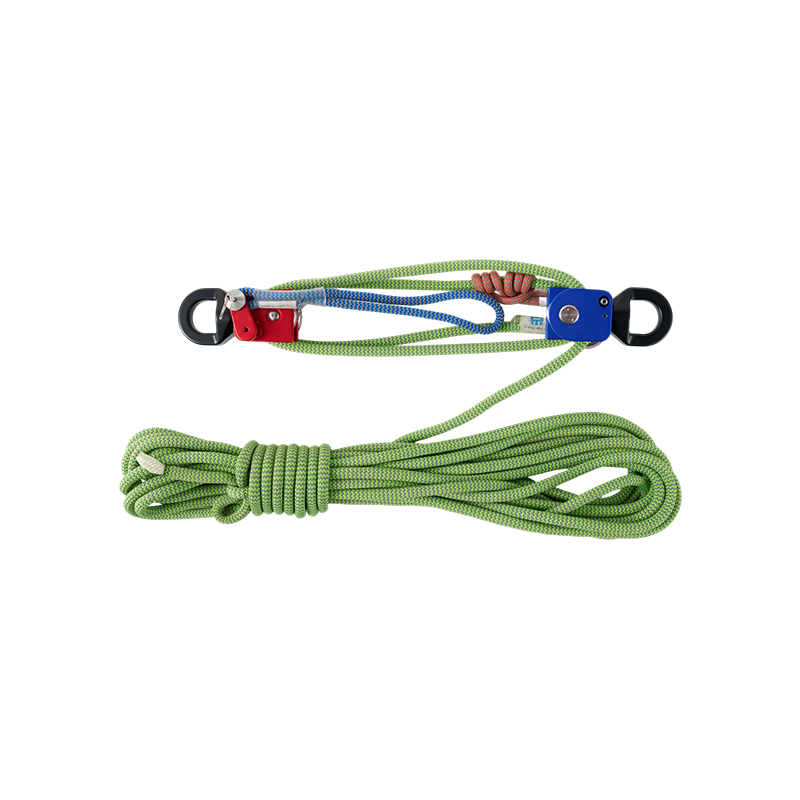
MP-SHL-010 High-Strength Pulley
The MP-SHL-010 is a robust high-strength pulley designed for reliable performance. It has a length (...
-
 Enquiry
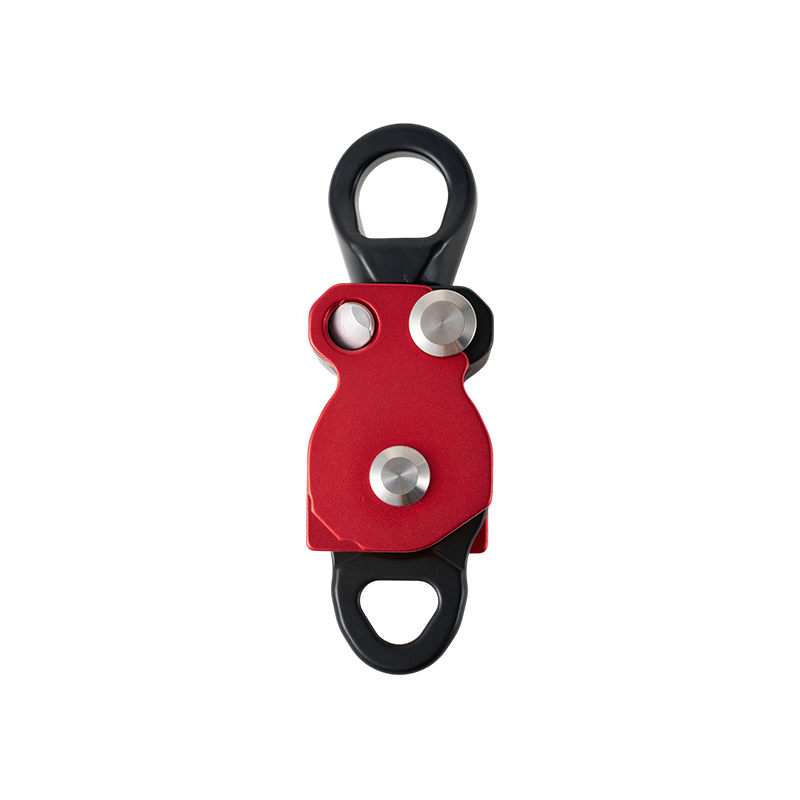
MP-SHL-011 Heavy-Duty Pulley
The MP-SHL-011 is a robust heavy duty pulley designed for demanding applications. It has a compact s...
-
 Enquiry
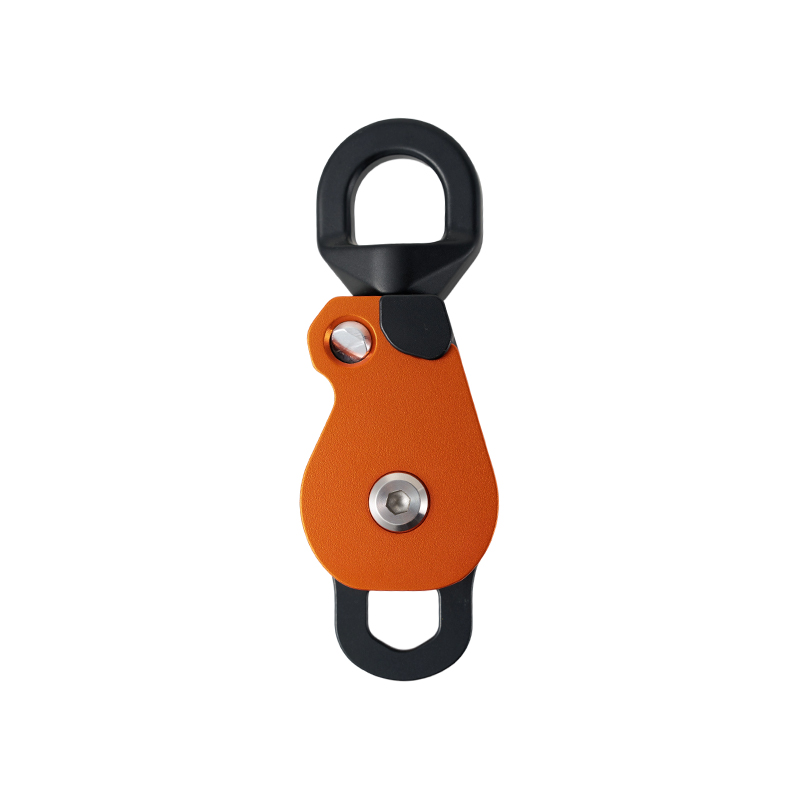
MP-SHL-012 Universal Double Pulley
The MP-SHL-012 is a versatile double pulley designed for multi-directional use. It has a length (A) ...
-
 Enquiry
MP-SHL-019 Lifting Traction Pulley
The MP-SHL-019 is a compact and robust pulley designed for lifting and rigging applications. It has ...
-
 Enquiry
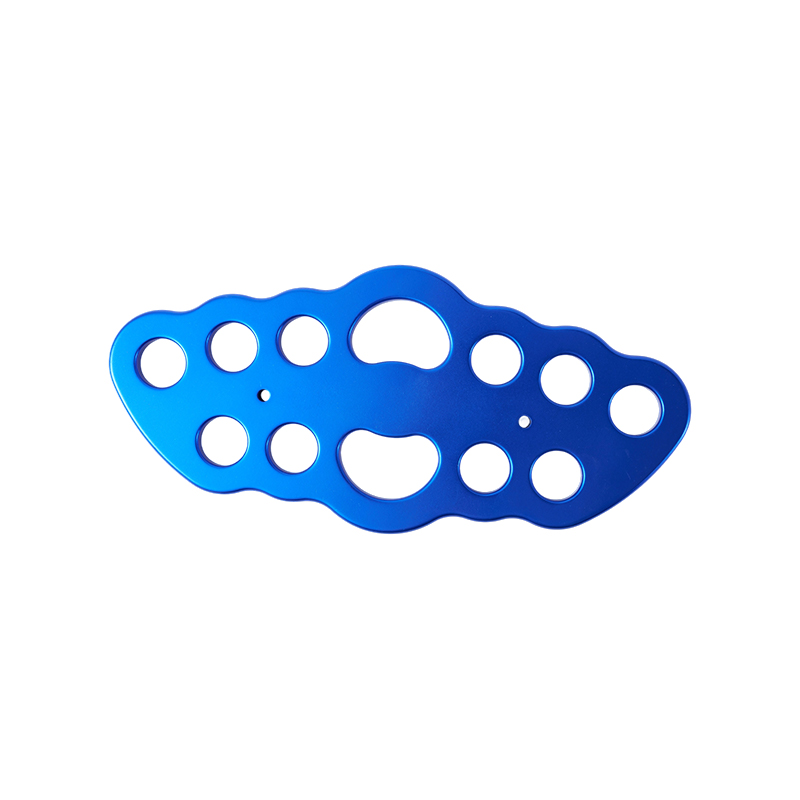
MP-FLB-001 Flat Multi-Hole Connecting Plate
The MP-FLB-001 is a flat multi-hole connection plate. It has a length (A) of 90mm, width (B) of 82mm...
-
 Enquiry
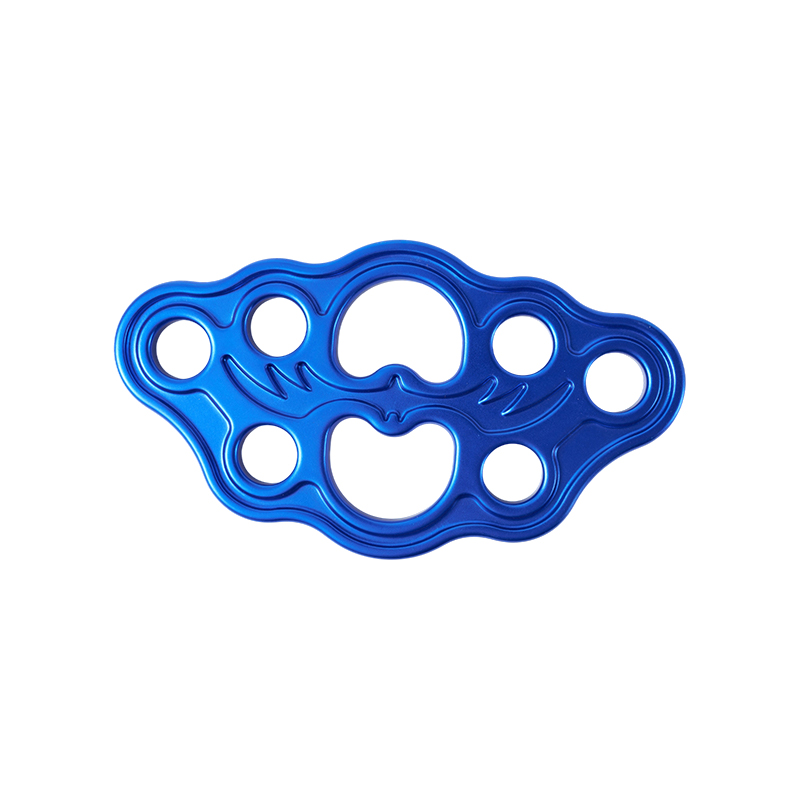
MP-FLB-002 Rigging Plate
The MP-FLB-002 is a blue slinging plate featuring multiple holes. It has a length (A) of 117mm and a...
-
 Enquiry
MP-FLB-003 Flat Connecting Plate
The MP-FLB-003 is a yellow force distribution plate with multiple holes. It has a length (A) of 108m...
About Us
Mingpin (Zhejiang) Hardware Co., Ltd.
Mingpin (Zhejiang) Hardware Co., Ltd. is rooted in the Shuige Industrial Zone, Liandu District, Lishui City, Zhejiang Province, known as "China's Most Ecological City." As a global leader in innovation in climbing and rescue equipment, we leverage cutting-edge technology as our core driving force and have been granted over 120 national invention and utility model patents, 37 of which address industry gaps.
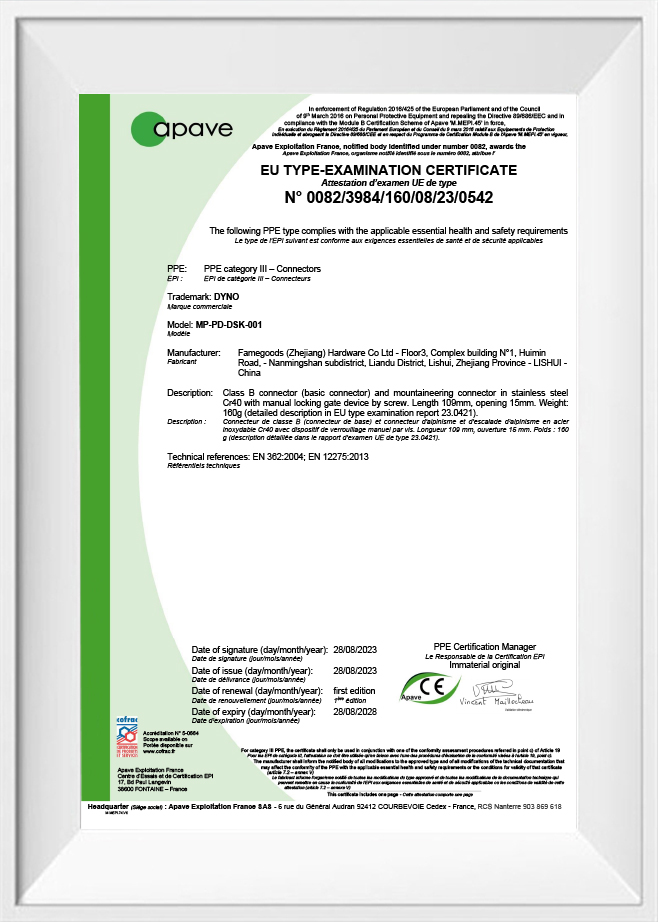
Not only is the company the exclusive equipment supplier for the National Alpine Rescue Team, but we also provide in-depth services to over 350 professional rescue teams in 28 provinces and cities nationwide. Our product portfolio covers eight key areas: high-altitude rescue, firefighting special services, industrial fall protection, competitive rock climbing, and water operations. Leveraging military-grade precision manufacturing standards and EU CE/EN12841 dual certification, our core products, including safety buckles, rappelling systems, and intelligent protective devices, are sold in 56 countries and regions worldwide, with our market share in the European professional equipment market exceeding 35% for five consecutive years.
The Technology Center is equipped with Asia's leading vertical testing laboratory, integrating over 30 million RMB worth of testing equipment, including fully automatic material testing machines, high-precision 3D spectrometers, and nano-metallographic microscopes. This system integrates a 16-step quality control system from raw materials to finished products. Certified to ISO9001:2015 and UIAA standards, the International Mountaineering Federation, we invest 18% of our annual revenue in R&D and innovation, ensuring that every product passes 216 hours of extreme salt spray testing and 12,000 dynamic load tests.
As a National High-Tech Enterprise and a Zhejiang Province Specialized and New Enterprise, we have established an aviation-grade precision manufacturing joint laboratory with Xi'an Aircraft Industry (Group) Co., Ltd. Our core technologies have been successfully applied to the development of high-altitude rescue equipment, and we have assisted national and local rescue teams in over 50 major disaster relief operations, including those in Wenchuan and Ya'an. From earthquake ruins to avalanche sites, Mingpin Hardware safeguards lifelines with aerospace-grade safety standards.
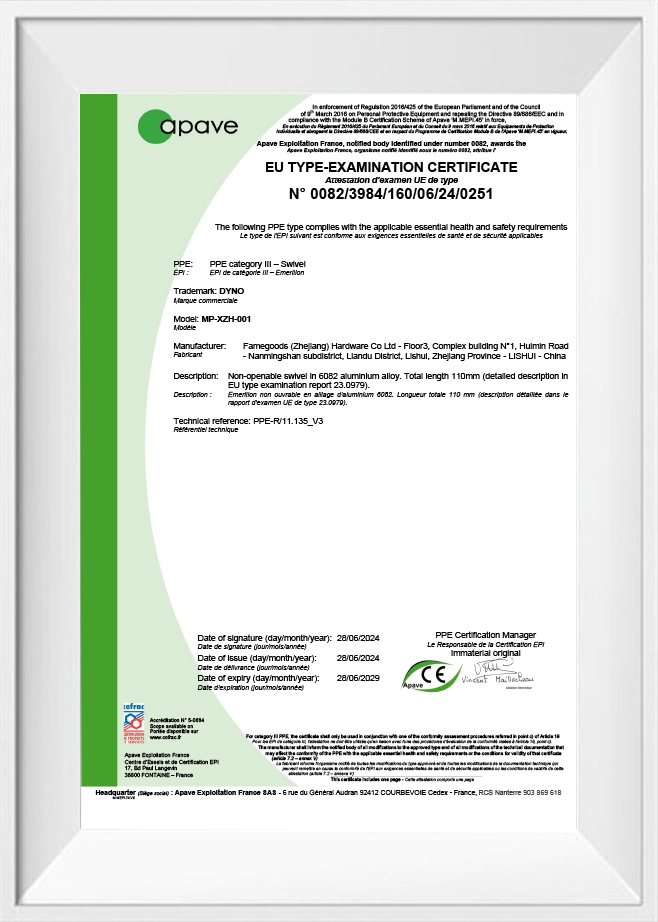
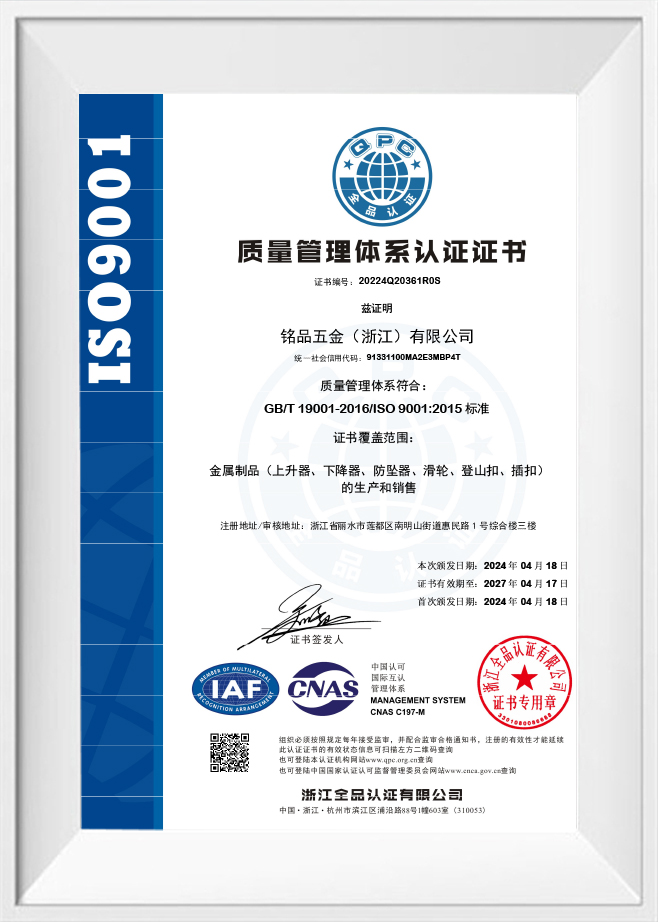
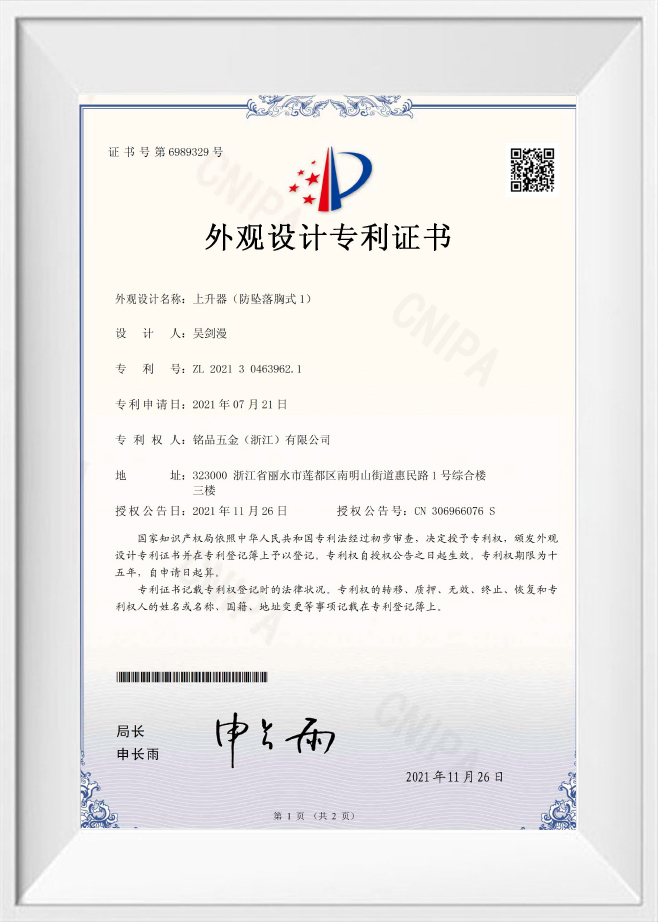
Certificate Of Honor
News
-
-
Rigging plates are versatile devices used to organize multiple attachment points in rope systems, providing a central hub for connecting carabiners, ascenders, descenders, and other equipment. These p...
READ MORE -
Chest ascenders are specialized climbing devices designed to assist climbers in ascending ropes efficiently. These devices are worn on the chest and work in combination with foot loops or harnesses to...
READ MORE -
Descenders are mechanical devices designed to control the speed of descent on ropes, widely used in climbing, caving, rescue operations, and industrial rope access work. These devices allow users to d...
READ MORE
Message Feedback
Industry knowledge
With the continued rise of outdoor sports, rock climbing has gradually moved from a professional field into the mainstream. Whether in indoor climbing gyms or natural rock environments, safety remains a core issue repeatedly emphasized in rock climbing activities. Rock Climbing Safety Products have developed against this backdrop, with structural design, material selection, and usage logic all revolving around "stability, controllability, and adaptability to different scenarios." Among these, the Safety Hook and Adjustable Safety Buckle are two key components often discussed in rock climbing safety systems.
Trends in Rock Climbing Safety Awareness
In recent years, climbers' safety awareness has been changing. In the past, many beginners focused more on techniques or route difficulty, but now, more and more people are actively learning about equipment structure, force principles, and correct usage. This change has also driven the development of Rock Climbing Safety Products towards more specialized and functionally defined directions.
The following keywords frequently appear in popular discussions:
- Compatibility between equipment and the human body
- Differences in safety needs in different climbing scenarios
- Reliability performance during repeated use
- Whether the operation is intuitive and easy to check
These topics all directly point to specific safety components, among which the Safety Hook and Adjustable Safety Buckle often play important roles in connection, fixation, and adjustment.
The Role of Safety Hooks in Rock Climbing Systems
Safety hooks are typically used to connect ropes, harnesses, or anchor points, and are an indispensable part of the rock climbing protection system. Their main function is not complex, but emphasizes "whether the connection is stable, whether the opening is controllable, and whether the force path is clear."
In practical use, the value of safety hooks is mainly reflected in the following aspects:
- Providing clear connection points during climbing or belaying
- Reducing the risk of accidental detachment due to misuse
- Facilitating quick attachment at different heights or positions
It should be noted that the safety hook is not a component that functions alone; it often works together with ropes, harnesses, and anchor points to form a complete system. Therefore, understanding its working logic helps climbers better assess the overall safety status.
The Significance of Adjustable Safety Buckles
Compared to safety hooks, adjustable safety buckles are more focused on "adaptation and adjustment." In rock climbing activities, differences in body size and clothing layers among different users will affect the fit of the harness or anchoring system. The existence of the Adjustable Safety Buckle is precisely to ensure that the equipment remains stable amidst these changes.
From a functional perspective, the core value of the Adjustable Safety Buckle lies in:
- Supporting quick adjustment of length or tightness
- Maintaining stable positioning under load
- Facilitating secondary fine-tuning after wearing
Proper use of the Adjustable Safety Buckle can reduce discomfort caused by looseness or excessive tightness, and also helps climbers maintain focus during prolonged activities.
Comparative Analysis of Two Key Components
To more intuitively understand the positioning of the Safety Hook and the Adjustable Safety Buckle in Rock Climbing Safety Products, a comparison can be made from the perspective of function and usage scenarios:
| Item | Safety Hook | Adjustable Safety Buckle |
| Core Function | Connection and Fixing | Adjustment and Adaptation |
| Main Stage of Use | During climbing and protection | During wearing and adjustment |
| Frequency of Use | Repeated use throughout the climbing process | Used during wearing and when conditions change |
| Focus | Connection stability | Smoothness of adjustment |
As can be seen from the table, there is no substitute relationship between the two; instead, they each perform different functions, jointly forming a complete safety system.
Systematic Safety, Not Single Equipment
Safety does not depend on a single component, but on the collaboration of the entire system. Whether it's the Safety Hook or the Adjustable Safety Buckle, their effectiveness will be limited if they are not used correctly and within the overall configuration.
In practice, climbers can perform self-checks from the following perspectives:
- Are all connection points within visible range?
- Are the adjustment components securely fixed?
- Have simple tension checks been performed before use?
- Is the equipment status regularly checked during the activity?
Have any question ?
contact us

 3rd Floor, Comprehensive Building, No. 1 Huimin Road, Nanmingshan Street, Liandu District, Lishui City, Zhejiang Province
 +86-15071143596

© Mingpin (Zhejiang) Hardware Co., Ltd. All rights reserved.
Custom Adjustable Safety Buckle
